South Africa’s Draft National Rail Master Plan (NRMP) aims to position rail as “the backbone” of the logistics and transport system, outlining a sustainable, strategic framework for rail network planning.
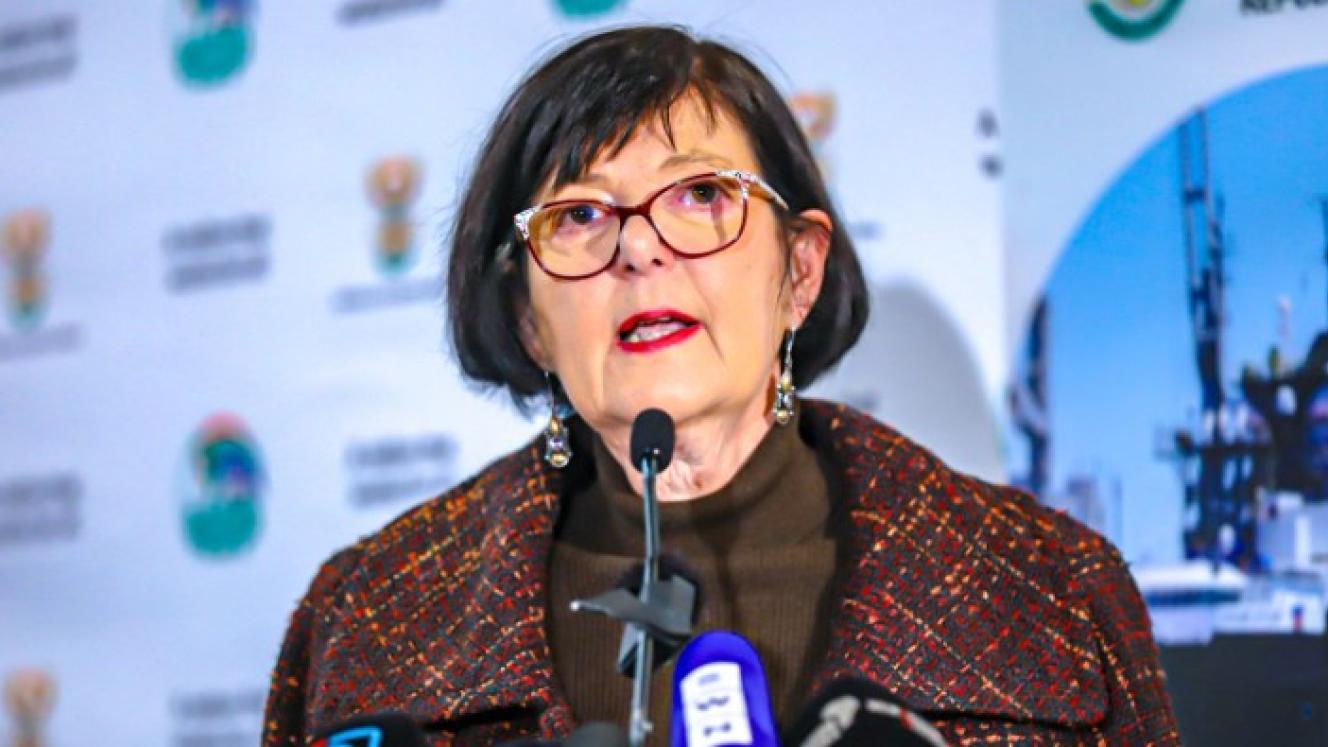
This was how Transport Minister Barbara Creecy on Thursday described the NRMP, which was approved by Cabinet on April 1, and underpins the reformation of the sector and the shift in movement of freight from road to rail. It outlines a sustainable, strategic framework covering both passenger and freight rail, addressing commuter systems and long-distance services.
She was speaking at the launch of the Gauteng stakeholder engagement session held at Transnet Freight Rail in Kempton Park.
“This plan aims to position rail as the backbone of South Africa’s logistics and transport ecosystem,” she told business leaders, organised labour and civil society at the launch event.
Creecy said an improved rail network benefited households, communities and the economy as a whole. It maps constraints and opportunities, identifies infrastructure enhancements and network expansions and aims to “rebalance road-to-rail freight distribution”.
“This word ‘rebalance’ is critically important. Because this plan recognises the central and important role that rail must play in an integrated system together with trucking, taxis and buses,” Creecy said.
The NRMP adopts a “brownfield” approach to optimise existing infrastructure and minimise costs, paired with targeted “greenfield” expansions where economically feasible and aligned with global rail technological advances.
“It is not about reinventing the past – it is about building a resilient, adaptable, dynamically scalable rail system that serves the nation’s broader economic and social goals,” she said.
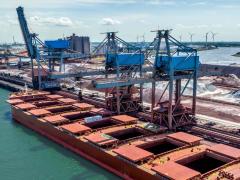
Creecy highlighted the current underperformance: approximately 165 million tons of freight moves annually on rail, against a market appetite closer to 280 million tons. The gap results in lost foreign exchange earnings, job losses in mining and agriculture, road congestion, deterioration and safety issues, plus high commuter costs.
According to the plan, implementation requires private and public investment of close to R2 trillion over 30 years. Economic modelling indicates every R1 million spent increases GDP by R4.3m, with positive impacts on steel, cement, logistics, engineering, jobs and household income.
A key shift is the commitment to inclusive, consultative planning. The department has launched a centralised web-based platform hosting the draft plan, with GIS mapping, interactive tools and a user manual.
“I urge all stakeholders here today and across the country to engage actively with the draft master plan. Use the digital platform to review the draft plan, provide input and help us prioritise investments that deliver the most value to our people and our economy,” Creecy said.
Provincial engagements will follow, with dates and venues published on the website. Public consultation concludes in July 2026, after which the NRMP returns to Cabinet.
A dedicated Rail Planning Component will maintain an up-to-date databank on flows, capacity, assets and rolling stock, enabling annual updates and five-year reviews.
“Public comment is not a formality. We need your participation if we are to create an integrated logistical system where rail delivers lower transport costs, faster and safer journeys for people, reliable freight movement and vibrant economic opportunity across all communities,” she said.
A further public consultation will take place in Durban on May 7.
Access the draft plan on the interactive website here.