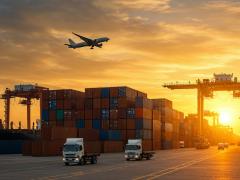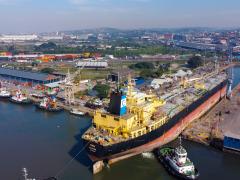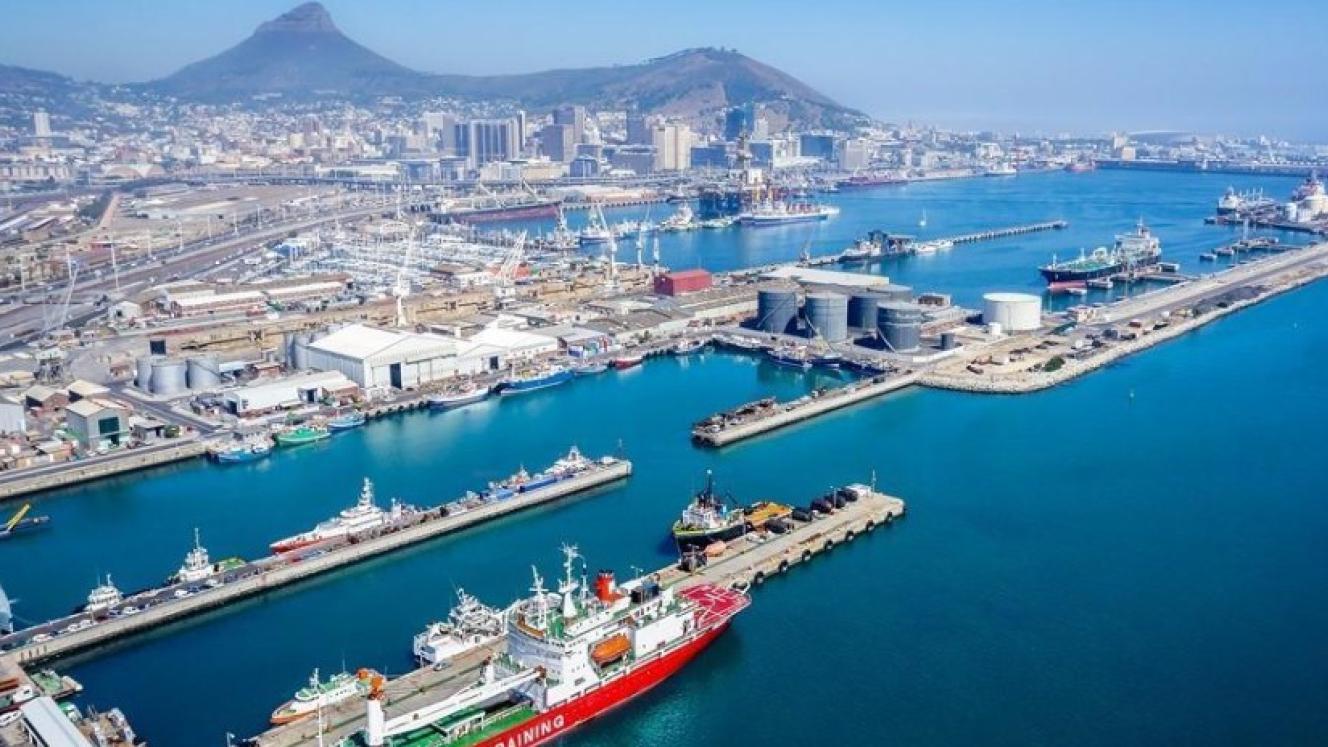
While the Port of Cape Town has recorded 13 vessels diverted for bunkering services since the outbreak of the Persian Gulf conflict on February 28, “there has not been a significant surge in vessel diversions to the port”, South Africa’s ports landlord has said.
Responding to questions about the port not benefiting from vessel rerouting due to maritime risk in the Middle East, Transnet National Ports Authority (TNPA) confirmed earlier this week that the vessel diversions were for the whole of March and April to date.
In the meantime, the South African Association of Freight Forwarders’ head of Research and Development, Dr Jacob van Rensburg, has said that conflict-related vessel rerouting around the Cape of Good Hope (CoGH) is estimated to be at least 80%.
Yet private-sector stakeholders are asking why our ports, specifically Cape Town, don’t seem to be seizing the opportunity of increased ocean traffic around the CoGH.
One of them is Casey Sprake, chief market strategist at AG Capital, who has said: “The world is passing South Africa’s door, but will anyone stop?”
Another is Terry Gale of Exporters Western Cape, who also chairs the city’s Port Liaison Forum.
Speaking to Freight News recently, he said the port appeared to be missing out on higher vessel volumes around the Cape, and that marketing and data visibility were lacking.
TNPA denies this claim, saying it “continues to share operational updates and vessel activity through established industry engagement platforms. Vessel movements remain publicly accessible via AIS-based tracking services such as Marine Traffic, which stakeholders can utilise to independently monitor traffic”.
The claim that the port is not benefiting from vessel rerouting isn’t new and dates back to at least early 2024, when it became clear that maritime disruption in the Red Sea because of Houthi rebel attacks was here to stay.
TNPA says: “Most vessels diverted from the Suez Canal only enter South African ports primarily for bunkering, supplies, crew changes and the odd transhipment cargo. It is important to note that most of these activities are taking place offshore.”
Regarding an operational response given the current situation in the Strait of Hormuz, TNPA says it “has revised its berthing guidelines, prioritising liquid bulk and tanker vessels carrying fuel and petroleum products to safeguard South Africa’s fuel supply, in response to current global supply chain disruptions”.
It says this proactive measure follows successful consultation with shipping lines’ associations to ensure continuity of the nation’s fuel supply, while enabling TNPA to respond swiftly to the evolving situation.
Gale also argues that new port cranes in Cape Town, equipped with anti-sway technology to withstand gale-force winds, should by now have resulted in more vessel calls.
He also claims that the result of a wind study Transnet asked the Council for Scientific and Industrial Research (CSIR) to conduct some three years ago is being withheld from industry.
TNPA has responded, saying, “The CSIR wind study is already delivering results, specifically through an enhanced wind prediction model integrated into port and terminal weather systems to improve operational planning and recovery.”
Regarding the claim that the report isn’t being shared with the wider industry, TNPA says: “The study includes an economic impact component, which is currently undergoing academic review to ensure robustness and credibility.”
The ports landlord adds that a further key workstream focuses on response mechanisms to reduce the impact of wind on port operations.
“This work is ongoing and is being progressed through various technical working groups. It is important to note that vessel traffic is influenced by multiple factors beyond wind conditions alone. While there have been periods of reduced wind-related downtime, the most recent wind season has also presented more severe conditions overall, which affect both the frequency and intensity of operational disruptions. TNPA will continue to share developments as the remaining elements of the study are concluded and operationalised.”
Gale, though, maintains that it’s only logical that the port should be seeing far more vessel calls than it is at the moment.
He said year-on-year, the port’s wind response had improved from about 250 operational hours lost per annum by last March to about 125 hours for the same period to date.
Considering this in tandem with the increase in vessel traffic, it's fair to ask why more vessels are not pulling into Table Bay as opposed to bypassing it.
“I don’t think Transnet is marketing our port properly,” he says.