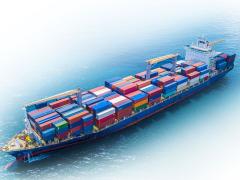
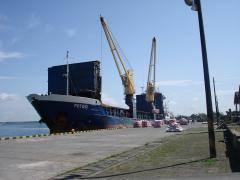
THE FACT that many African ports are facing problems linked to underdeveloped infrastructure isn’t new information. “While many ports need infrastructure development, they can still act to improve operations while they wait,” chief operations officer at APM Terminals Africa, Eric Waltz, said at last week’s African Ports and Harbours Congress. While capital assets are essential to improve productivity, so is the human element. “Cranes and machines are run by people,” said Waltz. “By providing training on how to effectively operate the new equipment, they will be ready to use it immediately it's delivered.” With the size of container ships continually increasing to carry 10 000 teus and more, draught is becoming vitally important. “If the water level at certain ports is too shallow, they will be unable to accept these bigger ships,” says Waltz. “However, it is going to take time to deepen them, so what should shallow-water ports do in the mean time?” Waltz suggests that heavier ships should stow heavier containers in such a way that they can be delivered first to deep-water ports. “By the time the ship arrives at the shallowwater port, the load will be lighter, enabling it to enter the harbour safely,” says Waltz. Truck congestion is another issue confronting harbours. “One of the main reasons for this constant traffic jam is that paperwork is completed when the vehicles enter the port,” says Waltz. “It would be far better to do the paperwork at a centre away from the port so the trucks can simply enter. This would substantially decrease waiting time," he said. While infrastructure developments are vital to overall harbour improvement, procedure enhancements can create a better functioning port in the interim.
Terminal specialist offers a range of solutions for infrastructure-strapped ports
Comments | 0
© Now Media. This content is protected by copyright and may not be adapted or republished. If you would like to discuss cooperation opportunities, please contact: editor@freightnews.co.za.