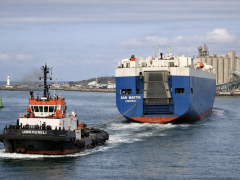
The north-south rail corridor linking the DRC’s southeastern border region with the Port of Durban could be running at full capacity in 15 years’ time through public private partnerships (PPP) and the integration of innovations such as the internet of things (IoT) and big data analytics (BDA).
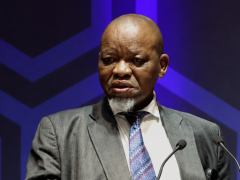
Speaking at a technical workshop hosted in Boksburg by the South African Heavy Haul Association (SAHHA) last week, outgoing Nepad Business Foundation CEO Lynette Chen said that giant strides had already been made in addressing key concerns. These include identifying the use of innovative maintenance applications that can detect issues affecting rolling stock, as well as new technologies aimed at improving the efficiency of existing infrastructure.
She said that already, through sheer collaborative input, the waiting period for the servicing of trains on the existing network had been reduced from 15 days to seven. But the biggest of all blockages in the way of “a smooth and seamless system”, as Chen pointed out, were border related. In 2011, for example, a diagnostics study of African infrastructure found that it took bulk cargo on the corridor around 38 days to complete the trip from Kolwezi in the DRC to Durban. Of this 29 days were wasted through rolling stock standing still because of hold-ups between corridor countries.
The slow-turning wheels of customs are also frustrating freight elsewhere in the SADC region. “To take a container in the FMCG space from South Africa to Angola requires 634 sheets of paper. This is an incredible amount of red tape and leads to increased costs burdening consumers at the end of the product line.”
Yet Chen is confident that the NBF, as a PPP facilitator, is well on track to witness the realisation of primary corridor objectives in the coming years. These include enabling the non-stop movement of trains through IoT and BDA applications to ensure faster, automated train authorisations. Tracking and control technologies to avoid collisions have also been identified as possible additions to improving the network. Had it not been for the enhanced cooperation between the relevant countries and companies concerned, this would not have been possible, Chen said.
“Currently the NBF is working on a memorandum of understanding with the SADC secretariat on an industrialisation action plan that was developed and approved four years ago.
“It’s a comprehensive strategy that attempts to create cross-border value chains in the mining sector, agri-processing, pharmaceuticals, and FMCG space.” And yet, despite all the work that has so far been done on networks such as the north-south corridor, the 4th industrial revolution could leave Africa in its dizzying, warp-speed wake. Brimming with optimism over what the future holds for the region, Chen told delegates attending the SAHHA workshop that African countries should spend more on research and development to create localised technologies relevant to the needs of SADC countries.
Reflecting on the recent signing of the African Continental Free Trade Agreement, ratified by 49 of the continent’s 54 countries, she made a plea for “boosting the innovation economy.
“We need support and funding for Africa’s techentrepreneurs. The 4th industrial revolution will increase competitiveness among manufacturers, so we need those unilateral linkages that allow us to connect with international suppliers we previously had no access to.
“Developing cross-border value chains fit for the future depends on our ability to come up with such interventions,"Chen said.
INSERT
We need support and funding for Africa’s tech-entrepreneurs. – Lynette Chen