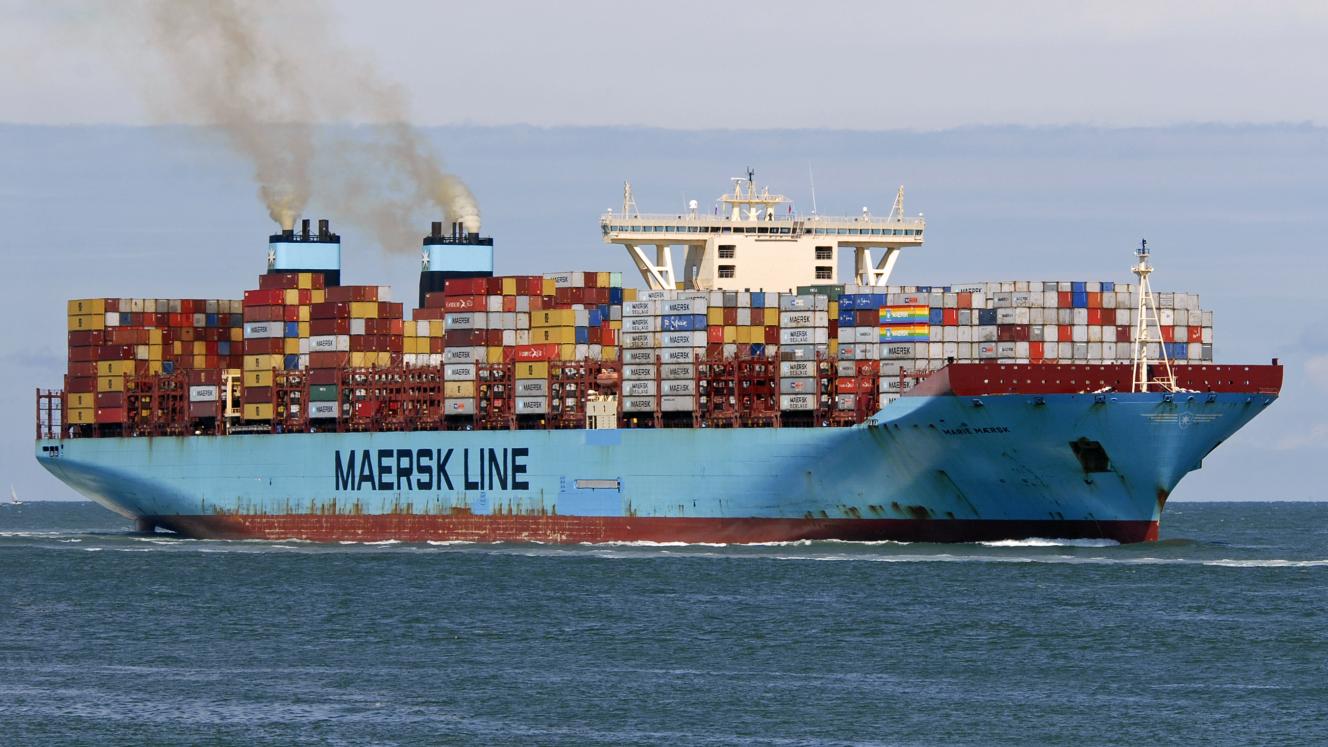
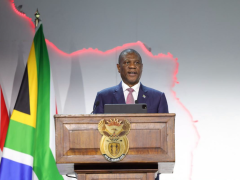
The drop in commodity prices has had a significant impact on cross-border volumes, according to Louis Coetzee, Namibia corridor operations manager for Maersk Namibia (including Safmarine). He said they expected to see lower volumes passing through the Port of Walvis Bay – particularly on the Trans- Caprivi corridor, serving Zambia, southern DRC and Zimbabwe – because a shift in the outbound export flows had negatively impacted the return import flows. “We are at present seeing an overall slowdown in cross-border import flows with no signal of recovery in the short term,” Coetzee added. Looking at the total corridor market – including the Trans- Cunene (serving Angola up to Lubango) and the Trans-Kalahari (serving Botswana and Northern Cape) corridors – in 2014, he said there had been marginal growth in import corridor volume, with stronger growth on the export corridor. In addition, he said the Namibian Maersk team was not seeing the domestic trucking supplier landscape developing at a pace that enabled a costcompetitive environment. This, in turn, was putting more pressure on landside activities to make the corridor(s) economically viable. According to Coetzee, Maersk’s primary focus at this stage is on the Trans-Caprivi and Trans- Kalahari Corridors. And he said that the single largest challenge for Namibia (and the port of Walvis Bay) was the ability to offer a safe, reliable and cost-competitive product (door-to-door). “We have noticed, and continue to see, significant investments and improvement in the waterside service, while the landside infrastructure and trucking supplier landscape has lacked the scale and pace of development to match this.” He also noted the lack of rail connectivity – possibly as a result of cost. “The lack of landside investments, particularly in road transport, poses a significant threat to the cross-border business and to making Namibia (Walvis Bay) a feasible gateway,” Coetzee told FTW. “It is therefore imperative that all stakeholders in the supply chain work together to ensure the corridor is safe, reliable and costcompetitive. In an effort to boost volumes Maersk Line and Safmarine Namibia were due to launch a through bill of lading (TBL) carrier haulage service this month (March). This targets northbound (import) cargo moving cross-border and selectively opens up the southbound (export) corridor – where it makes business sense and adds value to the overall supply chain, said Coetzee. CAPTION Louis Coetzee, Maersk Namibia.
TBL carrier haulage service ready for launch
Comments | 0
© Now Media. This content is protected by copyright and may not be adapted or republished. If you would like to discuss cooperation opportunities, please contact: editor@freightnews.co.za.