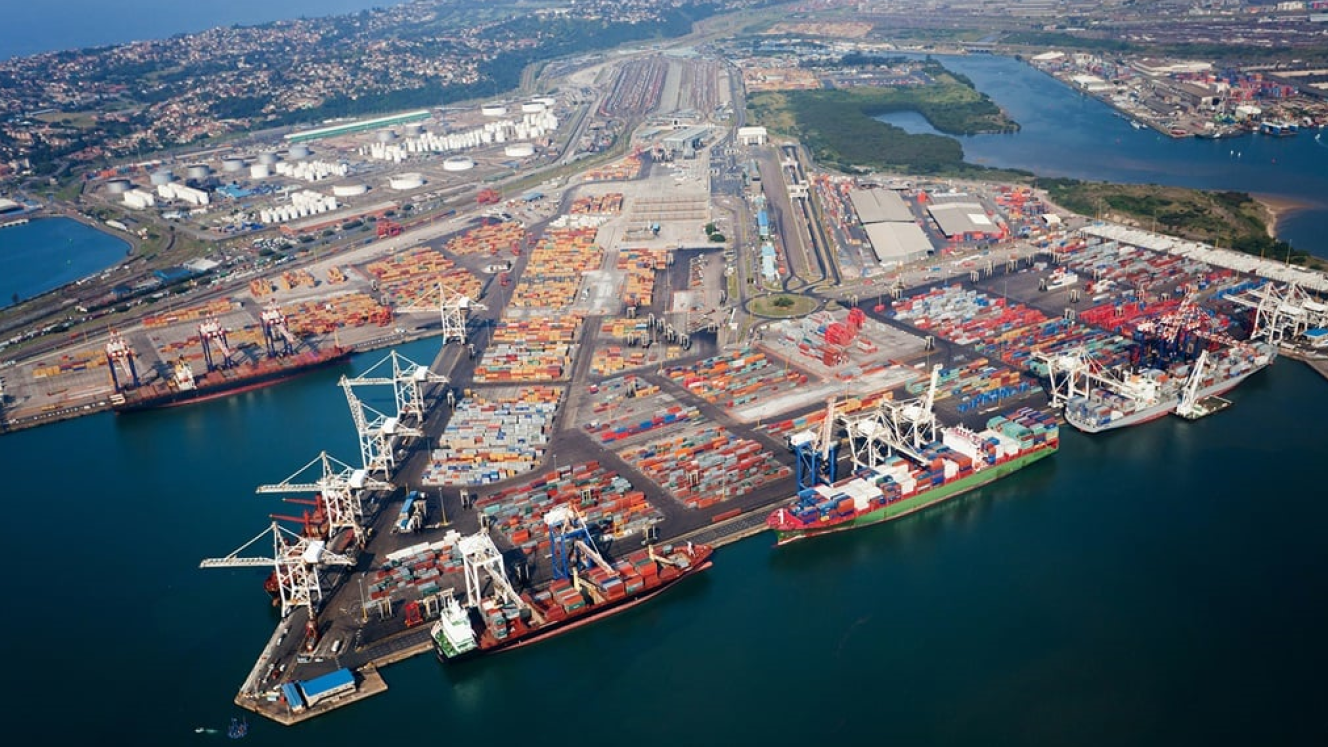
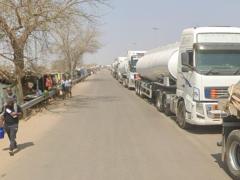
Mining is the proverbial “elephant in the room” whenever one talks about logistics and how the flow of goods reflects the Zambian economy. When the copper price is high and demand is strong the whole logistics value chain is kept busy and profitable. It is only when volumes drop due to a lower copper price or spats between government and the mines that the focus turns to other types of freight. Or the Zambian government rediscovers agriculture and manufacturing, and renews its efforts to support these sectors. This boom or bust cycle isn’t good for business or the economy. Many companies have not been investing in the people and facilities needed to lower the costs of doing business in Zambia. Neither has government. Its roads programme has been focused on the rural areas where people are left isolated during the rainy season and by generally bad roads, rather than on the main transport routes. According to the World Bank, it costs 60% more to move a container from Dar es Salaam to China than from Brazil to China, despite the fact that the Tanzanian port is 50% closer. Road and rail transport links between Zambia and the ports that serve it add further to the costs for the land-locked country. There are signs of change. Across the board companies supplying logistics services told FTW that they were having to do more for lower rates in order to retain their clients. Value is being added by providing advice and the full range of logistics services. It is no longer sufficient to be able to carry a product from A to B – the customer now expects the haulier to provide storage and valueadded logistics services as well. Shippers are also looking to forwarders to identify the most cost-effective routes in and out of Zambia. Investment in all the ports serving the country – Walvis Bay, Durban, Beira and Dar es Salaam – provides both choice and complexity. Developments in the Angolan port of Lobito and the rail links between it and the Copperbelt will add another gateway – one which has the potential to disrupt existing routes. Despite – or perhaps because of – the logistics challenges Zambia is an interesting and potentially profitable place to be for the freight and trading industry. Zambia’s economy continues to grow at a rate faster than that of the sub-Saharan Africa region. In 2014 the gross domestic product grew at around 5.5- 6%. Although this was a slight dip from 2013, the economy still remained strong. “The main challenge the World Bank sees for Zambia is strengthening fiscal policy so it firmly buoys inclusive growth and poverty reduction,” says Philip Schuler, the Bank’s senior country economist for Zambia and co-author of the Brief. What the World Bank figures don’t often show is that growth only happens when there is cargo moving. This warning came in June from Erick Schultz, United States ambassador to Zambia. He is quoted by the Daily Nation as saying “it is important that the Zambian government develops policies that will enable business to grow, but if you continue to look at the World Bank as an easier way of doing business, then Zambia is actually going in a wrong direction”. To their credit the Zambian government, along with those of neighbouring states, is looking beyond the numbers to take practical steps to improve logistics within the region. There is support for Tanzanian plans to upgrade its railway into the standard gauge and connect landlocked Zambia, Uganda, Rwanda, Burundi and eastern Democratic Republic of the Congo to its Dar es Salaam port through a 1 300-km central conduit. In addition to providing more costeffective access to Dar es Salaam for land-locked countries, the project – along with road upgrades – will unlock regional trade. There will be opportunities throughout the logistics value chain. For those Afro sceptics there are already signs that the new initiative is gaining momentum. Tanzania, for one, is tackling nontariff barriers to trade by reducing the number of police and customs checkpoints on its road networks. Geographically, Zambia is at the centre of much of the development. The challenge for both the logistics industry and government is to find ways of creating jobs by adding value to the freight moving through the country. It is one of the interventions needed to reduce the size and economic control of the mining elephant in the room. INSERT The challenge for both the logistics industry and government is to find ways of creating jobs by adding value to the freight moving through the country. CAPTION Mopani Copper Mine in Zambia.
Taming the elephant in the room
Comments | 0
© Now Media. This content is protected by copyright and may not be adapted or republished. If you would like to discuss cooperation opportunities, please contact: editor@freightnews.co.za.