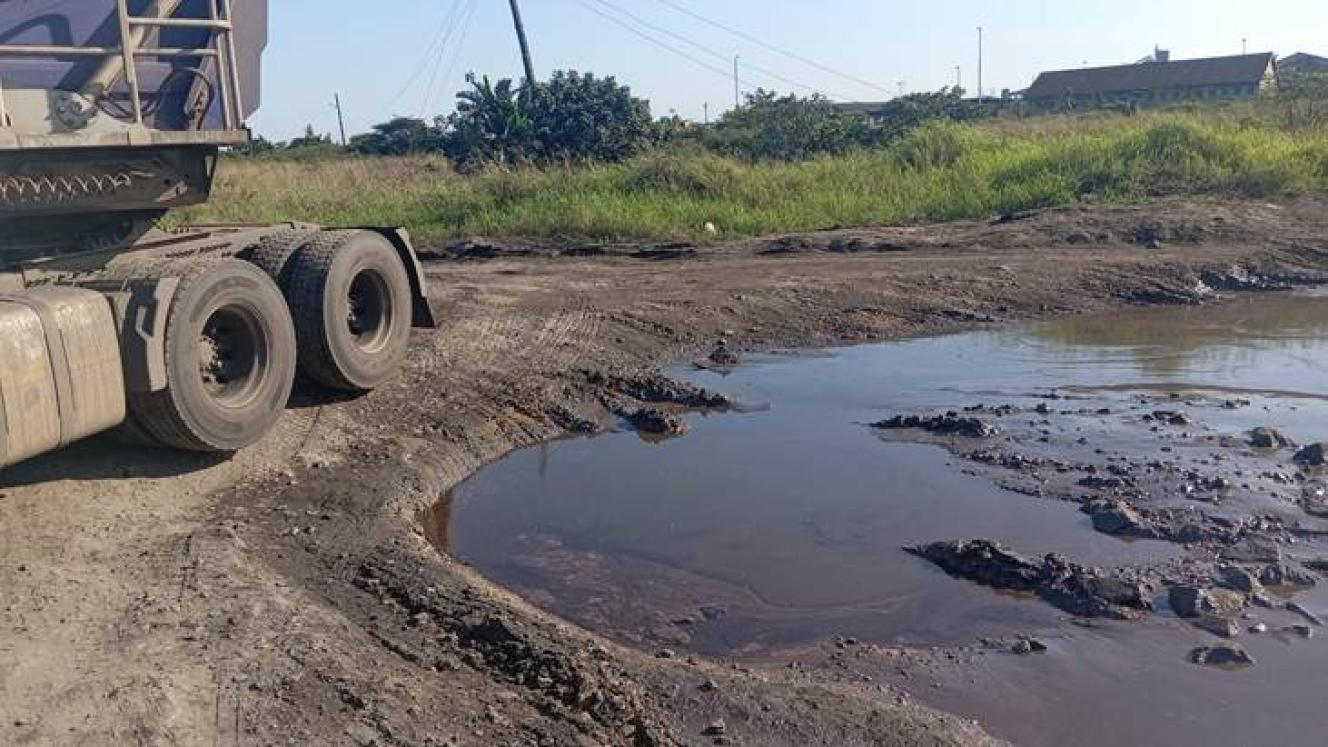
The supply chain has become like the global village – there is so much interdependency that a crisis in one part of the world can have an impact on a city far, far away. Let us consider when a company which specialises in producing steel has a computer failure halting production. Companies that rely on them for steel are left only with their stockpiles, and of course when these run out they are forced to import stock. Steel is heavy, expensive to import, and all these costs have to be considered when working out one’s insurance costs – you are going to have to consider the additional costs of importing the steel, the shipping costs and of course the potential loss of profits. Another incident to consider is where a train is derailed on a railway bridge delivering coal from South African coal fields. If a line between the coal fields and the port is completely blocked in order to keep coal moving, the logistics companies have to hire in hundreds of trucks to keep the coal coming in. Besides the inconvenience, this also added a huge cost to the transporting of the coal, far more than originally planned for. Remember the Tsunami in Japan? Well, many of the backup markets were in Thailand, and it was almost immediately hit by torrential floods, affecting the automotive industry in that country and many other industries. Not only was there an impact on the automotive industry because of the knock-on effect from Thailand’s floods, but there were further effects because for example a specific ingredient for metallic paint was solely manufactured in Japan. Even if cars could be manufactured, many could not be painted! It is likely that many companies are going to suffer a loss of this sort – but are they adequately insured against these losses? It is imperative that you chat to your specialised marine and transportation broker about covers such as Business Continuity Insurance which would include loss of profits insurance.
TALKING INSURANCE
Comments | 0
© Now Media. This content is protected by copyright and may not be adapted or republished. If you would like to discuss cooperation opportunities, please contact: editor@freightnews.co.za.