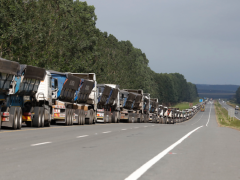
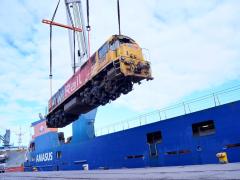
Unexpected circumstances can reduce a shipper’s volumes, but the lesson of Swaziland Railways is to forge ahead with developmental plans, knowing business cycles turn and the effects of natural disasters will pass. “Our exports were low when compared to last year, 2007/08, which was caused by a loss of timber business after Mondi Forests were destroyed by fire,” said Stephenson Ngubane, director of operations at Swaziland Railway. Another major client for Swaziland’s rail system, paper pulp manufactured and exported by Sappi, was affected by a prolonged maintenance shut down at the plant from July to November last year. With the Swazi government building fewer large-scale public works projects, cement volumes hauled by rail were also down. “All these factors are subject to change, even the global economic crisis, which has had a negative impact and is continuing,” said Ngubane. “Container business maintained the same levels as last year but against higher expectations.” On the other hand, imports have performed better than last year, led by increased fuel volumes brought by rail, he said. SA freight brought through the country, along with rail cargo originating or en route to other regional countries proved a key source of business for the company. “Transit traffic has improved when compared to last year, boosted by mineral exports from Phalaborwa. However, general goods dropped due in part to a very low demand from Zimbabwe due to the collapse of the economy in that country,” Ngubane said. Anticipating a reversal in regional business fortunes, Swaziland Railway is investing in its rolling stock, and has recently acquired 20 tank wagons. “These tank wagons will be used for fuel, and will be injected into the existing fleet dedicated to the conveyance of fuel,” said Ngubane, who added the company’s locomotives were adequate to meet the current demand of a fluctuating market.
Swaziland Railway invests in rolling stock
Comments | 0
© Now Media. This content is protected by copyright and may not be adapted or republished. If you would like to discuss cooperation opportunities, please contact: editor@freightnews.co.za.