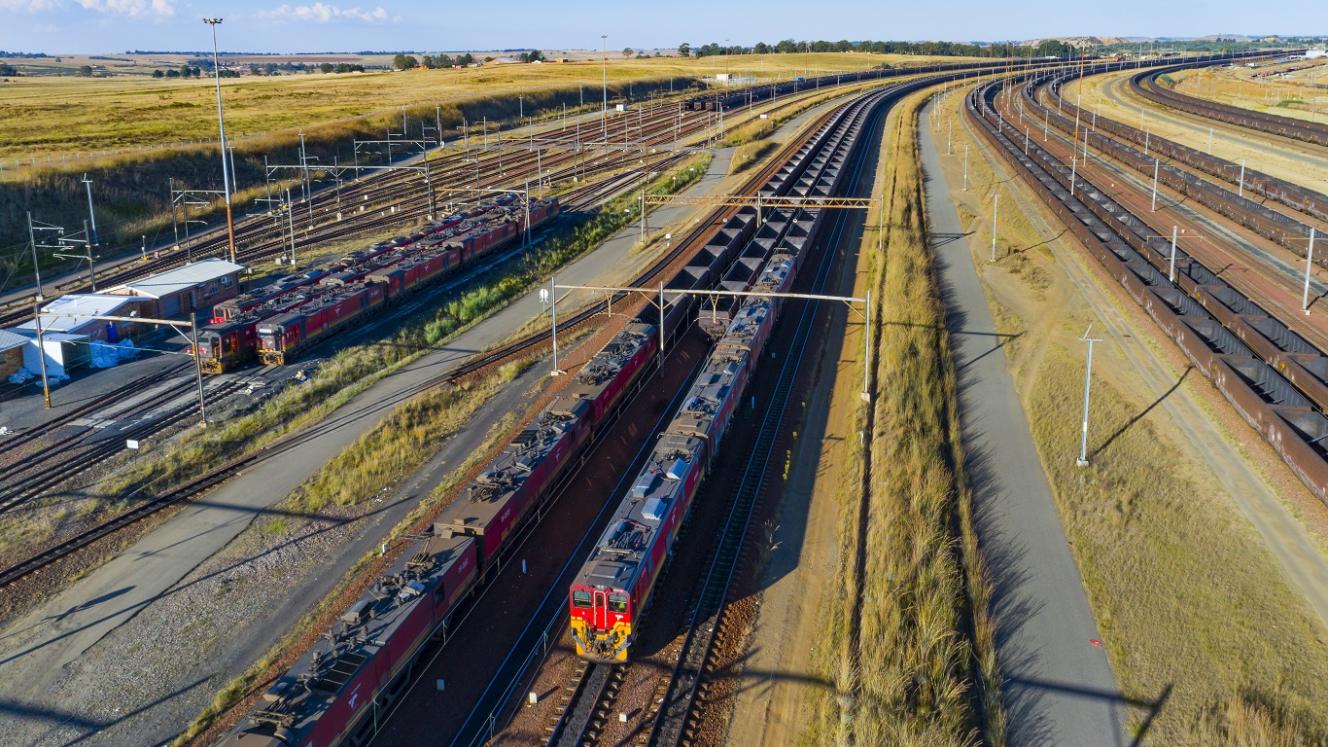
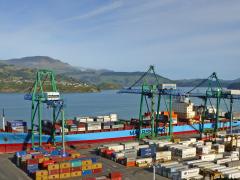
Container ‘mismatch’ adds to shipping costs RAY SMUTS EVEN THOUGH China’s appetite for raw materials remains voracious, as does Japan’s and a number of other Asian countries, Safmarine trade executive Alex de Bruyn believes South African shippers could do well to explore exports of certain value-added/manufactured and finished goods. Commenting on the structural imbalance of the trade, and the problems this creates for carriers, he said imported goods from the East tended to be mainly consumer goods, which are relatively lightweight and therefore allow shipping lines to fill the vessels to capacity. “On the whole, imports tend to be consumer goods such as footwear, garments and automotive/CKD cargo while export goods are predominantly raw materials, metals and minerals. These tend to be heavier in volume and therefore limit the number of boxes that can be loaded on a vessel, in turn limiting the overall capacity available for exports,” said De Bruyn. “The structural imbalance of this trade is further complicated by the fact that consumer goods are largely imported in 40 foot containers while the heavier export cargo is shipped in 20 footers. “This mismatch in requirements presents a significant challenge to shipping lines,” he added. “Not only is it expensive for the lines to accommodate this mismatch in terms of container availability but freight rates, combined with the inability to increase volumes on the export leg due to the weight restrictions, do not allow the lines to off-set these structural imbalance costs.” As to the level of trade growth, this will depend on the strength of the South African economy in relation to the economies of the East and on this country’s ability to accommodate increased trade, in his view. In particular, the ability of the South African infrastructure – notably rail to Gauteng – to cope with increasing cargo volumes from the East will be a challenge in the short-term, although this is set to improve in the long-term, considering the many Transnet investments in the pipeline to upgrade freight infrastructure. Safmarine, a member of the Safari consortium for more than three decades, believes the trade has the ability to maintain its current growth momentum.
Structural imbalance creates challenges for carriers
Comments | 0
© Now Media. This content is protected by copyright and may not be adapted or republished. If you would like to discuss cooperation opportunities, please contact: editor@freightnews.co.za.