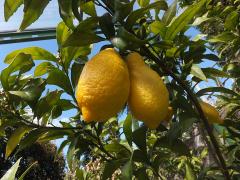
A SHORTAGE of fruit in international markets has stood the South African deciduous industry in good stead this past year, a trend likely to persist for the next few years, says Charles Hughes, CEO of Tru-Cape Fruit Marketing. “Not only has fruit been in short supply all over (hence South African lemons commanding exceptionally high prices in Europe), but new, rapidly-growing emerging markets like India, China and Russia all hold great potential for South African deciduous, and an opportunity for producers to cover some of the losses incurred over the past few years.” Equally encouraging is keen interest by local and international investors in acquiring and improving deciduous farms. The scenario is not entirely rosy, however. Hughes believes that everrising input costs of fertiliser, pesticides, packaging material and farming implements are certain to have a “massive negative effect” on the deciduous sector’s net income. “This impairment of grower income is not a uniquely South African problem; China’s on-farm costs are up 60% in one year, and the reality is that the markets are going to have to pay more for their fruit.” Another hurdle facing deciduous has been the inability to acquire sufficient new plant material (new trees) on an ongoing basis. A case in point is Tru-Cape’s inability to plant a full 500ha of new trees. Hughes believes what is vital to the well-being of the industry is selective re-investment, including in new equipment and planting new orchards with a range of new cultivars. “A five-year horizon for our industry is too far but I believe the next two to three years will see us showing real growth internationally.”
Strong global demand ramps up deciduous industry results
Comments | 0
© Now Media. This content is protected by copyright and may not be adapted or republished. If you would like to discuss cooperation opportunities, please contact: editor@freightnews.co.za.