Train, train, train – and
educate every person
involved in the process when
transporting dangerous goods
on the roads.
That’s the message from
AB Logistics, a division of
Armscor, which believes
in assisting its clients in
understanding the nature
and dangers of the types
of dangerous goods being
transported for them.
There are many
challenges when
moving
dangerous
goods,
says
Leonard Eagleton, senior
manager: AB Logistics.
These range from the
risk of spillage, resulting in
contamination, to loss or
damage to the conveyance
carrying the goods or loss of the
goods being conveyed.
“In recent years, the average
cost of spillage, recovery
and rehabilitation as
a result of abnormal
load incidents has been
very expensive and
as a result local
authorities
around South
Africa are
becoming
stricter
in their
enforcement of spillage and
clean-up costs, and in holding
the transporter and owner
accountable for consequential
damage resulting from spillage.
“Civil liability can also be a
catastrophic
risk and needs
to be insured.”
Which
is why it is
essential that
dangerous
goods
transporters
adhere to
statutory
compliance
requirements.
“It is also
important that
all potential
risks attached
to these loads
are identified, quantified and
insured,” says Eagleton.
“The role of qualified brokers
and specialist insurers cannot
be ignored and the team of
expert insurance personnel are
there to advise transporters
of the correct insurance to
cover their liabilities and risk,
whatever their cargo. Armscor,
through its AB Logistics unit,
ensures strict
compliance
with the
statutory
requirements,”
he adds.
The high
cost of
logistics in
South Africa
has been well
documented
– and it’s
particularly
onerous in
the dangerous
goods sector.
“The
transportation of explosives
requires specialist
transportation,” Eagleton
points out. “This requires
utilising two drivers to deliver
safely on time, in time and this
pushes up the cost of delivery
compared to other freight.”
At AB Logistics there is
zero tolerance when it comes
to compliance, he says.
“The carrier needs to
comply with the applicable
regulations which include
vehicle compliance, vessel or
aircraft standards, the type
and condition of the vessel or
aircraft or vehicle and vehicle
marking – and must provide
trained drivers and staff.
“He needs to verify that
goods are transported, only
if they comply with the
regulations – and ensure that
goods are correctly loaded
and are accompanied with
the relevant documentation.”
Eagleton’s advice to the
industry is simple – know the
commodity you are dealing
with, know the regulations of
the road before transporting
the goods, and stay compliant
and safe at all times.
INSERT & CAPTION
It is important that
all potential risks
attached to these
loads are identified,
quantified and
insured.
– Leonard Eagleton
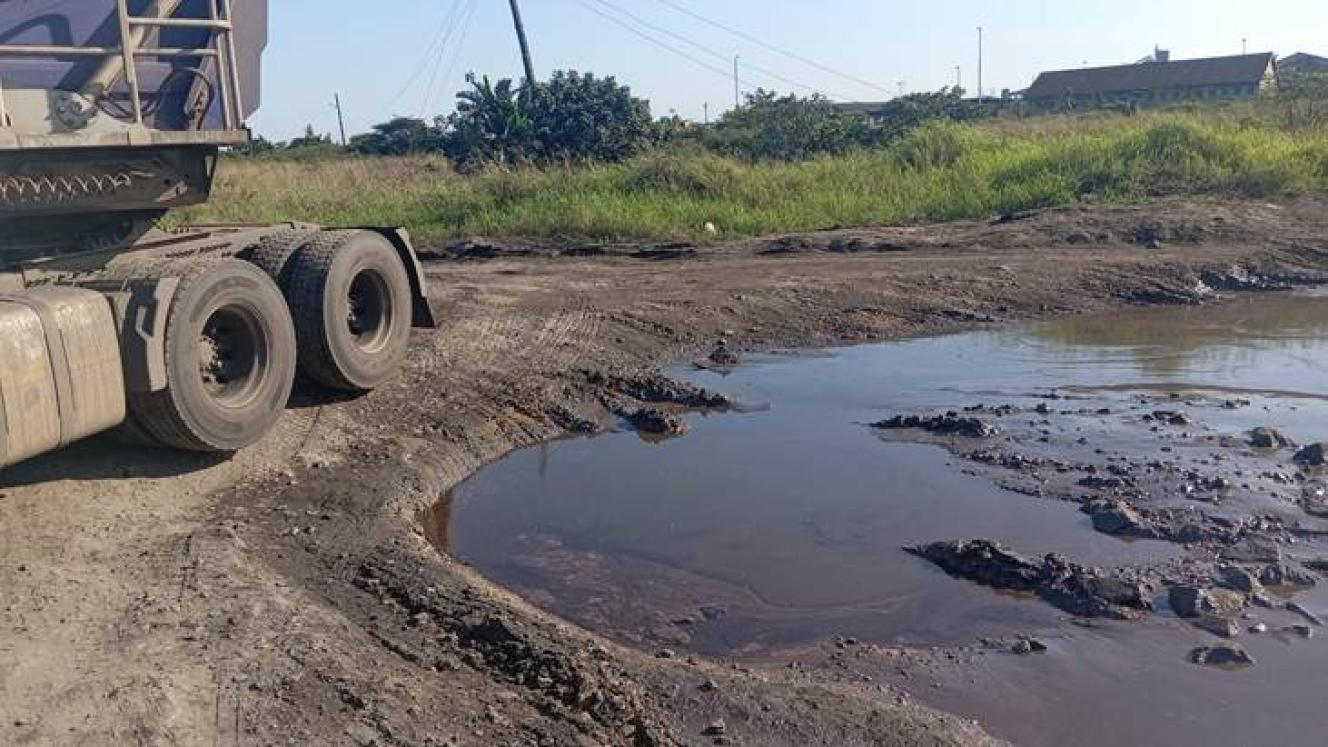
Stricter enforcement of spillage and clean-up costs
Comments | 0
© Now Media. This content is protected by copyright and may not be adapted or republished. If you would like to discuss cooperation opportunities, please contact: editor@freightnews.co.za.