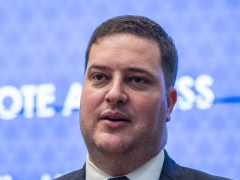
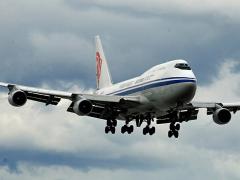
The impact of social media has not always been for the good, in the view of Dierk Herrmann, Hamburg-based safety and quality manager of Deutsche Afrika Linien. “It has become faster and more extensive, but also less factual,” he says in the group’s in-house newsletter. “Unfortunately a lot of information is posted spontaneously and not double-checked. In fact it’s posted so quickly that there’s hardly any time to react.” That said, he believes that overall it is true that social media represents the democratisation of information and the equalisation of inf luence. Which means it’s not possible to keep any incidents from the public. Worldwide there are 30 million new postings published on the social media network every minute, he said. “So thanks to social media the public can take part in every event everywhere. The positive impact was evident in an incident a few years ago when an Airbus crash-landed on the Hudson River. Thanks to the instant messages via social media, the rescue teams arrived shortly after the plane hit the water.” And in terms of shipping, today almost every person on board a vessel has a mobile phone with a camera that can take photos and shoot short films. And there’s no way of preventing crew from using these functions. “Blocking and banning policies are ineffective, giving traditionalist supervisors a false sense of control which in reality has been slipping away for years,” says Hermann. “We can only try to make it clear to all staff that personal web postings can be misunderstood and wrongly impact the perception and even the reputation of the company.”
'Social media not always accurate'
Comments | 0
© Now Media. This content is protected by copyright and may not be adapted or republished. If you would like to discuss cooperation opportunities, please contact: editor@freightnews.co.za.