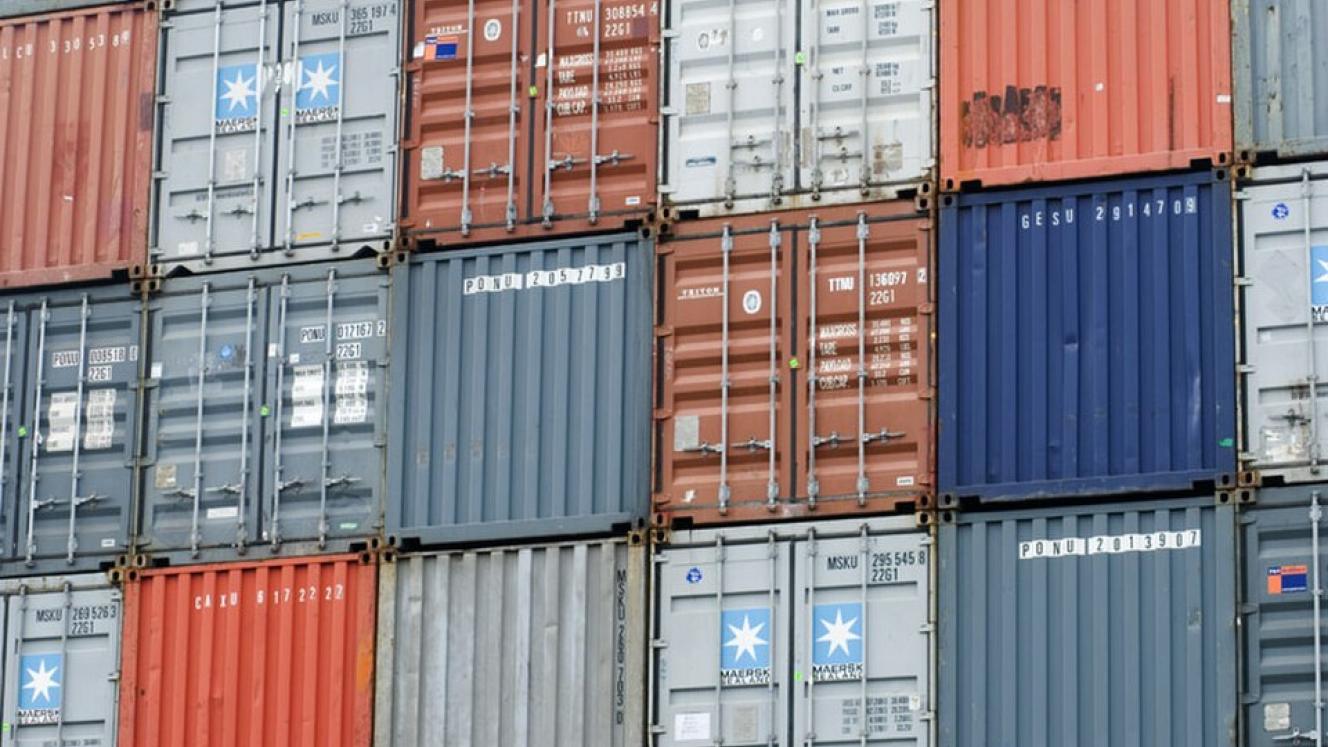
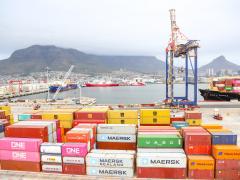
Customs and trade reforms have helped Mozambique to move up three points in the global “Ease of Doing Business” index published by the World Bank. Mozambique moved to 139 out of 189 economies in 2014 – up from 142. It improved its “trading across borders” ranking by five positions from 136th in 2013 to 131st in 2014. “Mozambique made trading across borders easier by implementing an electronic single-window system,” says the report. Teething problems with the system severely disrupted trade flows early in 2013, but clearing agents interviewed by FTW were unanimous that it has since helped speed up the movement of cargo. Mozambican customs officials are also working with the industry to fine-tune the system. The country scores better than the sub-Saharan Africa average on all key indicators identified by the World Bank. They include the time taken to move imports and exports and the costs related to the movement of goods through the ports of entry. According to the World Bank it costs US$1 100 on average to export a container, compared to the sub-Saharan African average of US$2 108. It costs US$1 705 through South African ports. On average it costs US$1 600 to import a container into Mozambique. The regional average is US$2 793. This is also lower than the South African cost of US$1 980, according to the World Bank. The biggest leap for Mozambique, however, was in the category of “dealing with construction permits”, where it moved from 123rd in the world to 77th – a leap of 46 positions. “Mozambique made dealing with construction permits easier by improving internal processes at the Department of Construction and Urbanisation – although it also increased the fees for building permits and occupancy permits,” says the World Bank report. It has, however, become more difficult to connect to the grid. Mozambique now requires authorisation of a connection project by the Ministry of Energy, as well as inspection of the completed external works. Investor protection has been improved through the enactment of a new commercial code, which allows shareholders to bring derivative suits against members of the board of directors, and which introduces detailed duties and liability for major shareholders and directors. It also expands the scope of accessible company information and the right to request the appointment of an expert to investigate the activities of the company. Commercial dispute resolution has been improved through the appointment of specialised judges and reduction in the time limits on enforcement procedures.
Smoother customs makes it easier to do business in Mozambique
Comments | 0
© Now Media. This content is protected by copyright and may not be adapted or republished. If you would like to discuss cooperation opportunities, please contact: editor@freightnews.co.za.