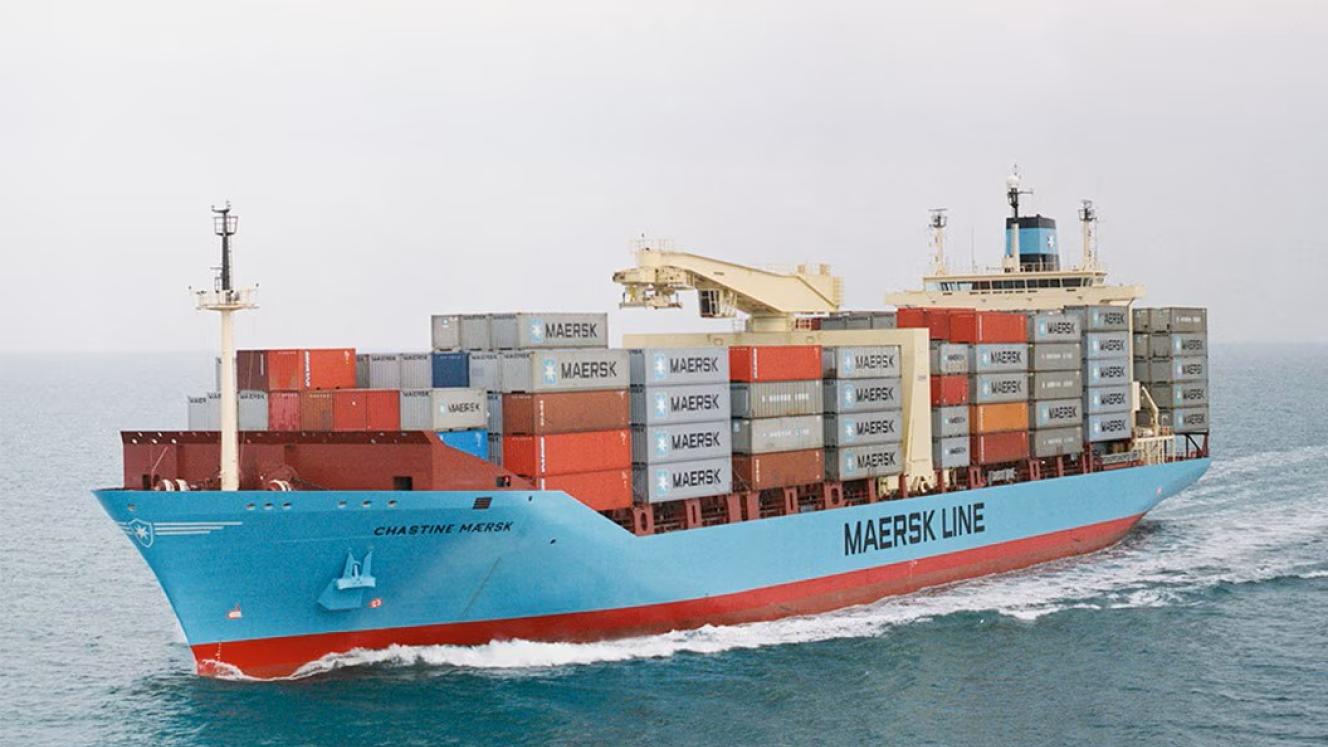
While the Far East-South Africa market continues to grow, trade conditions in 2008 have been far tougher than in 2007, according to Alex de Bruyn, SA trades executive for Safmarine. “Our westbound volumes have not grown as expected and there are a number of reasons for this. Consumption in South Africa is down, as a result of a weakened economy. There is also no doubt that the introduction of the National Credit Act and a number of interest rate hikes have dampened consumer demand for goods, particularly in the retail and automotive sectors.” Business confidence in South Africa is at its lowest since 2001 and de Bruyn is hoping interest rates will be cut. “This, together with pre-2010 World Cup enthusiasm, should hopefully help kick-start consumer spending by mid to late 2009.” The drop in 2008 volumes between the Far East and South Africa has been clearly evident in this year’s peak season, which is unlikely to be as marked as the 2007 season. Compared to last year, the 2008 peak has been slow to take off with volumes only beginning to increase around September, compared to July last year. “Overall, Chinese exports were down during July/August – a phenomenon which is being referred to as the ‘Olympic Dip’.” While westbound volumes may have dipped, eastbound trade is strong and de Bruyn believes the growth is likely to continue in light of the high demand for commodities from the East and the current level of the rand. Commodities are also increasingly being exported in containers – as opposed to breakbulk. While the switch from conventional to containers has been good news for Safmarine, the line still faces equipment imbalance issues on the Far East-South Africa trade. “This is because commodities are predominantly shipped in 6m containers (as a result of their weight) while import cargo, which tends to be much lighter, is predominantly transported in 12 metre containers.” From a shipping capacity point of view, De Bruyn says supply and demand is currently stable. The line is therefore not planning to further upgrade capacity on this trade, having recently done so with the introduction of new vessels in 2007/8. Safmarine vessels currently deployed on the two-string Safari service – which deploys a total of 13 vessels – includes the four 4154 teu vessels, the Safmarine Meru, Safmarine Makutu, Safmarine Mulanje and Safmarine Mafadi.
Slow peak season reflects tougher trade conditions
Comments | 0
© Now Media. This content is protected by copyright and may not be adapted or republished. If you would like to discuss cooperation opportunities, please contact: editor@freightnews.co.za.