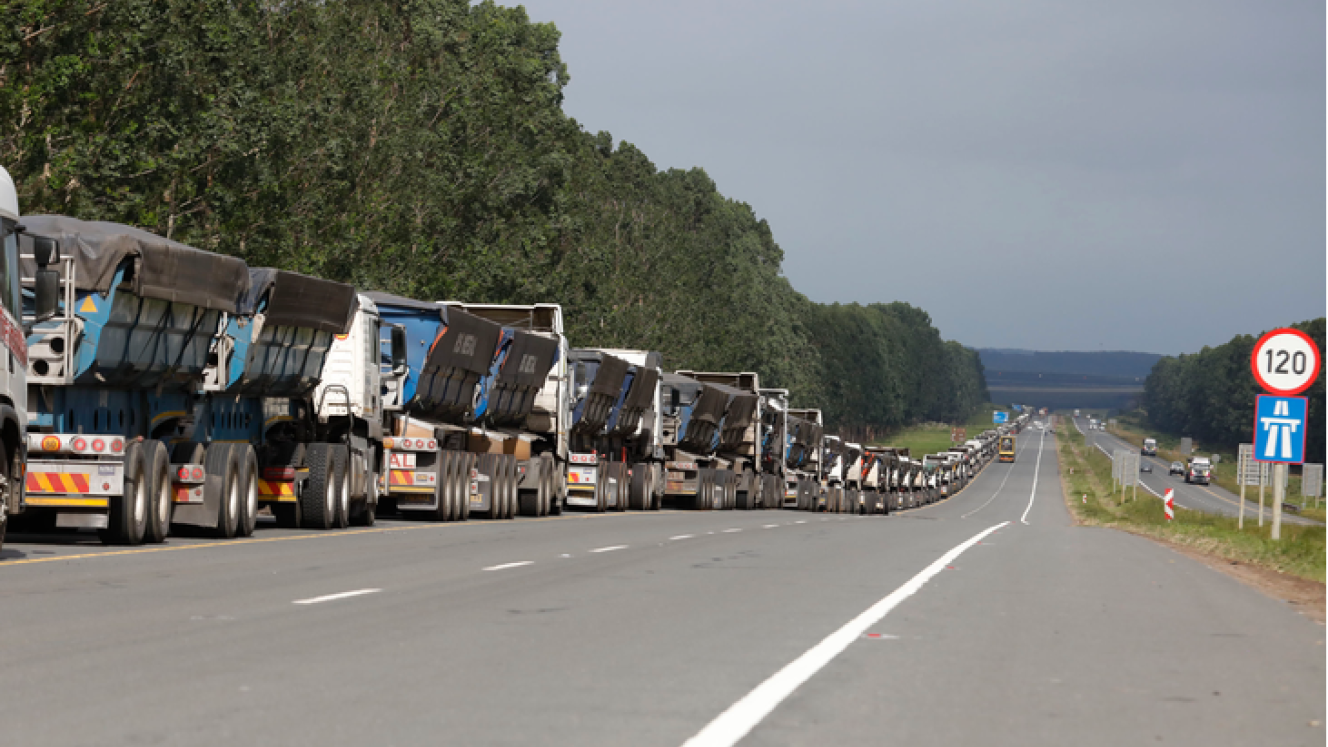
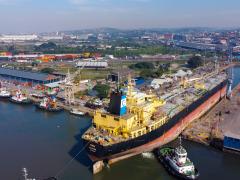
SOUTH AFRICA’S cold storage and attendant facilities are nowhere near like two peas in a pod, hence the need for a varied, region-by-region, approach, suggests Mmachidi Thobejane, FPT’s newly-appointed group business development manager. Amid assertions by a senior fruit industry source that the country is losing a small fortune due to insufficient cold storage capacity, Thobejane – fresh from a Gallagher Estate workshop where the issue was on the table – tells FTW one needs to look at a combination of two factors to arrive at an answer. From the perspective of the hardier citrus fruit, she points out, one needs to look at the “dwell time” that it takes to get the fruit down to the required temperature for shipment. “Provided there are sufficient shipping opportunities, the current cold storage capacity is sufficient. It is about the efficiency of the industry in matching the weekly demand for shipment with the weekly availability of shipping space.” The second factor, she believes, is that some areas are less blessed with cold storage and aligned facilities. In Port Elizabeth, for example, there are only about 500 reefer plug points, insufficient to serve the province’s export fruit needs. Coega will in the long run provide a solution to the Eastern Cape region, once it is fully operational. Cape Town, on the other hand, has 2 250 plug points and is therefore well positioned to meet export requirements. “So what we see is that there is a lack of shipping opportunities as well as landside infrastructure constraints in certain regions for the container mode, all of which results in a perception that there are cold storage capacity constraints. The capital expense of increasing capacity in cold storage will not address the dilemma of dwell time as one will only have more product in stock, which therefore adds cost to the logistics chain.” Containerised fruit has moved further ahead of specialised reefer services (conventional) shipping this year but FPT is becoming increasingly involved with containers on top of its commanding position in specialised reefer services, fruit still its largest commodity. Johannesburg-born and raised Thobejane, a Sepedi whose parents came from Polokwane in Limpopo province, started her career as a management trainee with Anglo American in 1999. She has a B Com degree with majors in finance information systems and accounting and aside from other qualifications obtained since, is working toward an honours degree in supply chain management. Prior to joining FPT, Thobejane was, for 2.5 years, in charge of supply chain process management at Mondi, in Durban, during which time she also spent eight months looking at setting up a warehouse operation in the port of Richards Bay.
Shipping opportunities determine adequacy of cold store capacity
Comments | 0
© Now Media. This content is protected by copyright and may not be adapted or republished. If you would like to discuss cooperation opportunities, please contact: editor@freightnews.co.za.