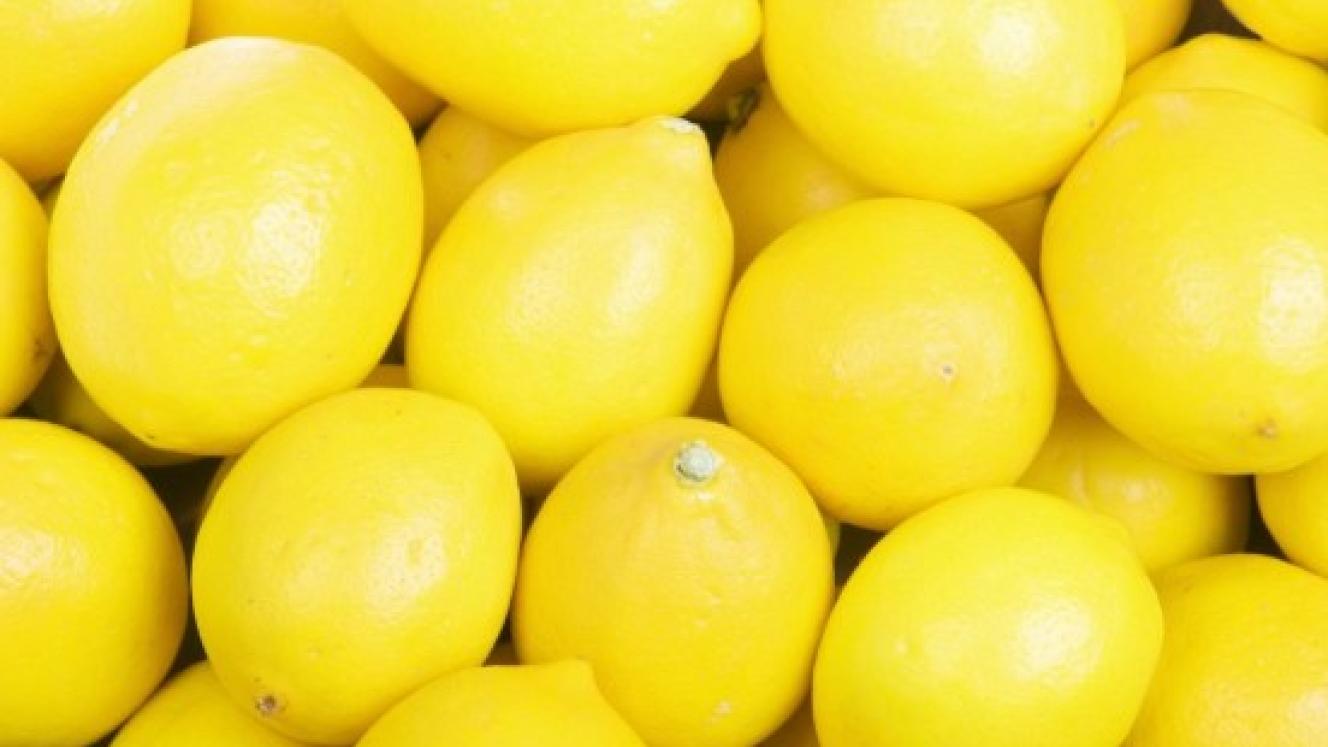
Southern Africa’s citrus growers have ended the 2025 lemon season on a high, packing a final 41.5 million (15 kg equivalent) cartons, far exceeding the initial forecast for the period.
Citrus Growers’ Association (CGA) CEO Boitshoko Ntshabele said exporters had experienced “a good season”, with forecasts for an even better 2026 crop.
“The 2025 lemon season concluded with a final packed volume of 41.5m cartons, marking a year of notably high volumes in which markets held up well,” Ntshabele wrote in his weekly newsletter on Friday.
Despite frost and hail damage that prompted a conservative March estimate of just 32.9m cartons, fruit size improved dramatically through the season.
“Projections were revised upwards throughout the season, driven mainly by fruit size improvement, ultimately exceeding initial expectations,” Ntshabele said.
All major regions outperformed forecasts: Sundays River Valley packed 17.1m cartons (30% above estimate), Senwes 6.2m (+44%), Boland 3.7m (+27%), Patensie 3.5m (+26%) and Hoedspruit 2.8m (+8%).
Export markets absorbed the surge comfortably. Europe remained the top destination, receiving 16.4m cartons, while the Middle East lifted intake to 12.8m cartons from 11m in 2024. Southeast Asia nearly doubled its volume to 2.4m cartons and Russia edged higher to 2.9m.
Ntshabele noted that a 12% increase in processing-grade fruit packed for export had also helped clear the extra volume.
Younger orchards are driving the structural growth trend, with 31% of lemon hectares now aged six to 10 years and 15% aged one to five years.
Ntshabele said 2025 had been “a good year for lemons and we look forward to an even better 2026 season”.
The bumper lemon crop pushed total southern African citrus exports to 203.7m cartons for 2025, 23% above the 164.6m packed in 2024 and the highest on record.
For the reefer shipping and port logistics sector, the oversized volumes meant extended vessel working hours and stretched cold-store capacity, but underlined southern Africa’s rising dominance as the southern hemisphere’s leading counter-seasonal citrus supplier.