International commodity traders have moved away from traditional bank-based finance models where the traders acted as intermediaries to ownership of the commodity.
The rise of “structured finance” in the hands of traders has fundamentally altered the industry’s foundation, according to the Unctad Trade and Development Report 2025.
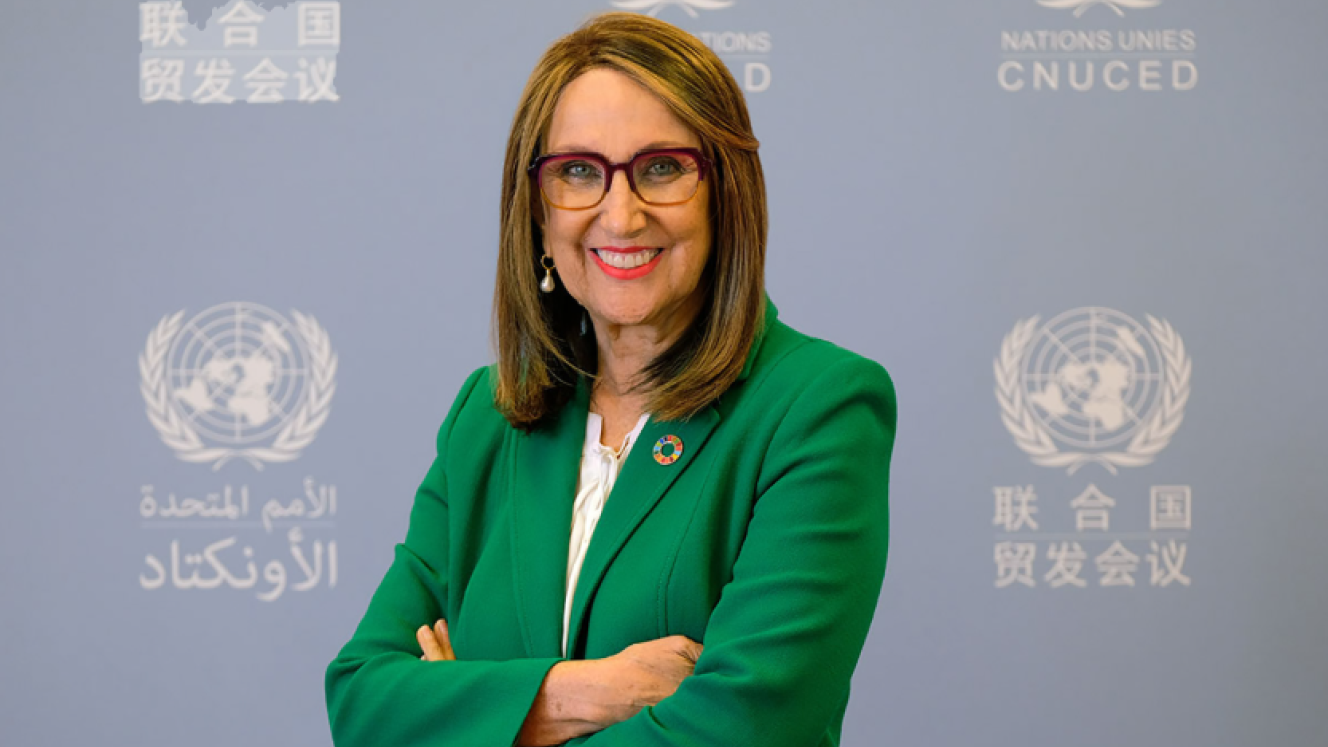
In her foreword to the report, Rebecca Grynspan, Unctad secretary-general, says: “Over 90% of world trade depends on trade finance and cross-border banking infrastructure.
“A small number of trading houses – ADM, Bunge, Cargill, Louis Dreyfus, CHS, Wilmar and Olam, as well as global players in minerals and energy like Glencore and Trafigura – control substantial portions of global commodity flows across agricultural, energy and metals markets.”
Speaking at the release of the report, Grynspan told the media the findings showed how financial conditions increasingly determined the direction of global trade.
“Trade is not just a chain of suppliers. It is also a chain of credit lines, payment systems, currency markets and capital flows.”
Nearly 90% of world trade depends on trade finance, the nature of which commodity traders have changed.
Since 2010, commodity trading firms have expanded their engagement in a range of financial activities (trading, investments, securitisation), having in practice transformed into the non-bank financial institutions (NBFIs), or shadow banks, that make up a growing share of the global financial system.
Recent data suggests that in 2023, NBFIs held a 49% share of total global financial assets, according to the report.
Through what are known as structured financing arrangements, banks are disintermediated from the trade transaction and become providers of revolving credit to the trader.
The trader uses the bank credit to acquire ownership of the inventory, according to the report.
This opens up another revenue stream.
“Having ownership allows the possibility of securitising trade receivables through the creation and issuance of a new financial instrument (a type of asset-backed commercial paper) that can be sold to capital market investors,” the report states.
It warns that disruptions in commodity trade financing can have immediate real-economy consequences that extend far beyond financial markets.
There is also concern that “the structured finance techniques enable modern commodity trading exploit gaps between different regulatory frameworks in ways that make coordinated oversight extremely difficult”.
What has not changed, despite the efforts of Brics partners and others, is the status of the dollar as the preferred trade currency.
The dollar’s share of international payments through SWIFT has risen from 39% to about 50% in five years, according to the report.