South Africa’s new vehicle market delivered its strongest April performance in over a decade, with robust domestic demand offsetting weakening export volumes amid a shifting global economic environment.
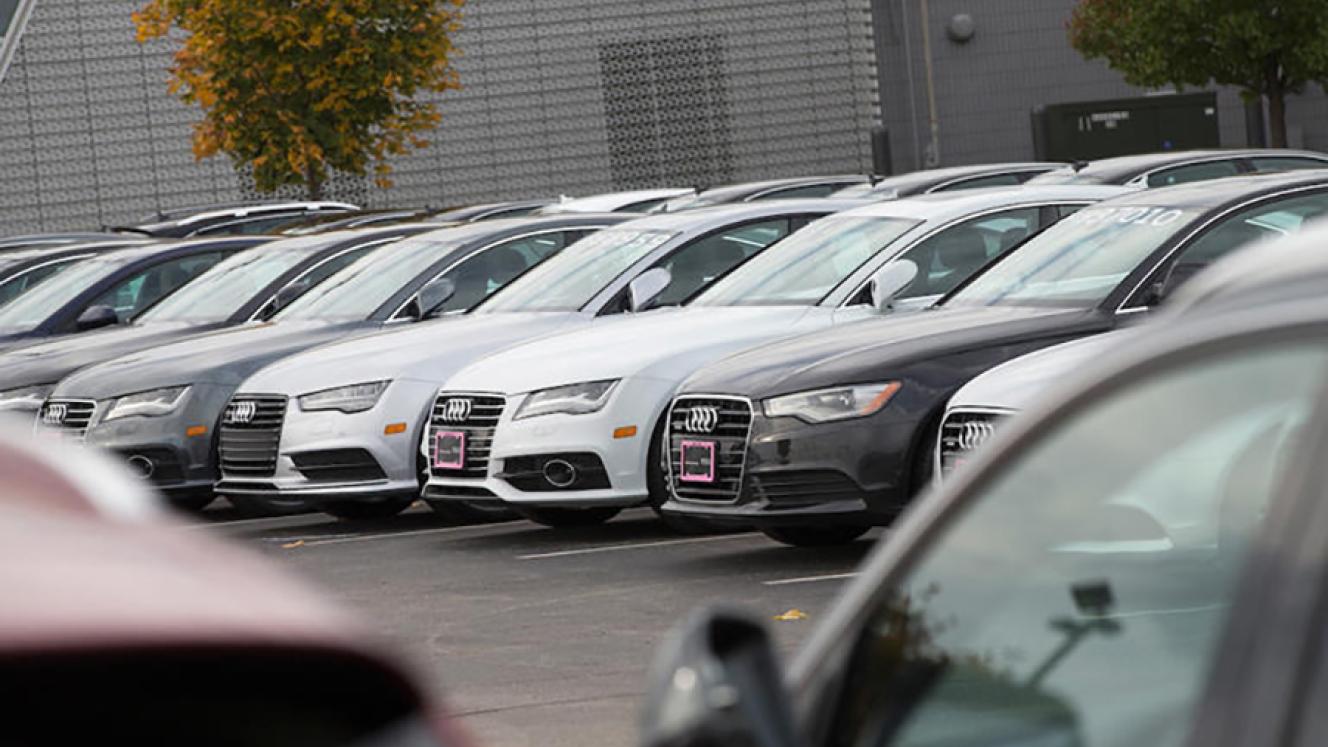
According to the latest data released by the Automotive Business Council (Naamsa), aggregate domestic new vehicle sales reached 47 979 units in April, marking an increase of 5 512 units, or 13% compared with April 2025. This represents the best April performance since 2013.
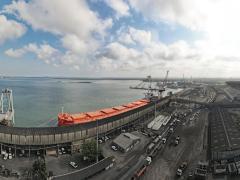
This follows recent reports of record vehicle throughput at the Durban Car Terminal, reflecting continued momentum across the automotive logistics chain.
“South Africa’s new vehicle market extended its positive domestic performance into April 2026, with domestic demand continuing to anchor overall industry activity despite a progressively uncertain global backdrop,” the industry body said.
In contrast, export sales declined 4% year-on-year to 30 939 units, down from 32 229 units in April 2025. The drop was largely attributed to a sharp contraction in the light commercial vehicle (LCV) segment, which fell by 42.9% due to the phased roll-out of new-model production by a key exporter.
“The April performance largely reflects momentum built over preceding months, supported by improved financing conditions, and firmer sentiment. However, these supportive factors are now being confronted by headwinds in the macro-environment,” Naamsa noted.
Passenger vehicle sales led the growth, rising 14.3% year-on-year to 34 414 units, while light commercial vehicles increased by 9.7% to 10 966 units. Medium commercial vehicle sales rose 10.5% to 687 units, and heavy trucks and buses rose 9.9% to 1 912 units.
Dealer sales accounted for the bulk of activity, representing 91.1% of total industry sales, with rental, corporate fleet and government segments making up the balance.
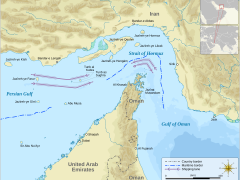
However, escalating geopolitical tensions in the Middle East have driven oil prices higher, introducing significant cost pressures across the automotive and logistics sectors.
“For South Africa, where road transport underpins the majority of freight activity, higher fuel prices are directly transmitted into supply chain costs, distribution margins, and ultimately consumer prices,” it said.
Naamsa welcomed the government’s recent extension and expansion of its temporary fuel levy relief measure, describing it as “a critical, time-bound buffer for consumers, businesses, and the automotive sector against what would otherwise have been a destabilising spike in fuel costs”.
The relief package includes the extension of the R3 per litre petrol levy reduction to June 2, an additional 93 cents per litre diesel levy relief for May – reducing the diesel levy to zero – and a phased withdrawal from June 3, with full levies reinstated from July 1.
Naamsa cautioned that underlying cost pressures linked to elevated global oil prices were expected to persist.
“Notwithstanding this increasingly challenging macroeconomic backdrop… new vehicle sales in April remained resilient, underscoring underlying demand support and the continued replacement cycle within the market,” the industry body said.