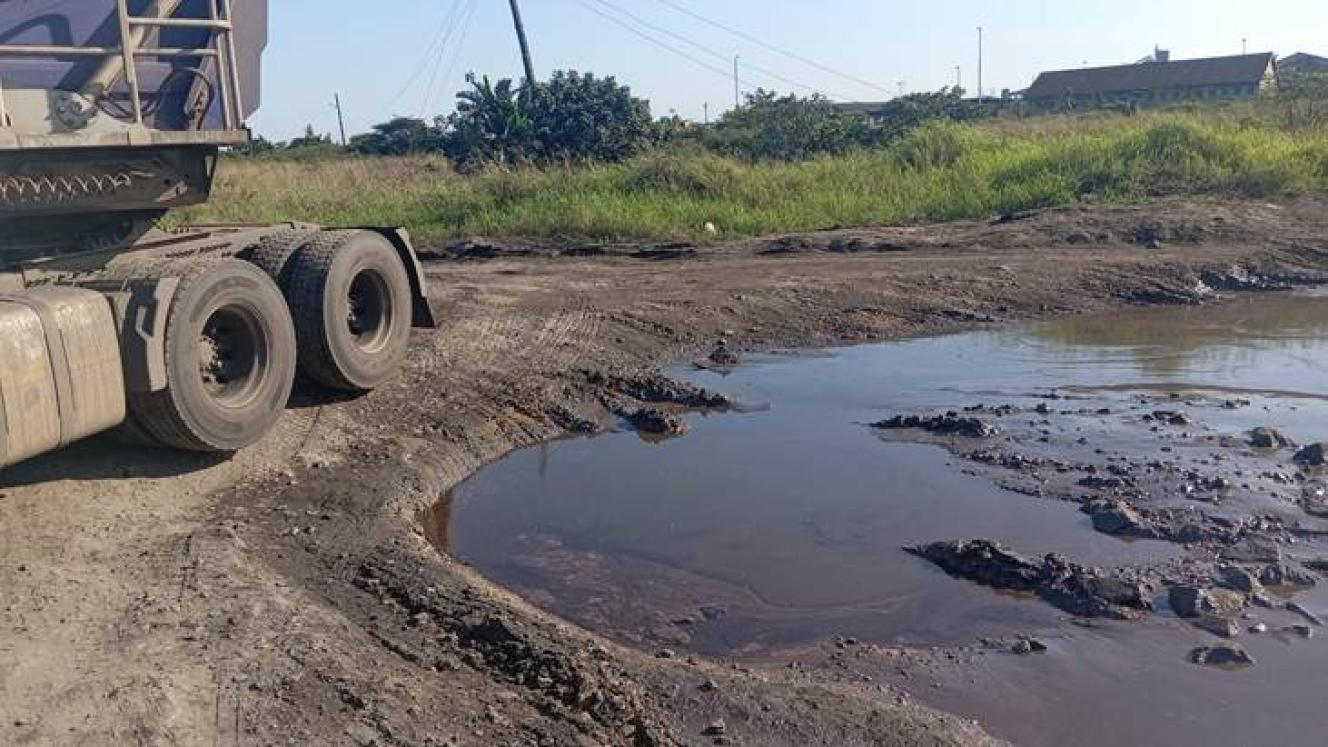
The declining popularity of South Africa’s “over-priced and inefficient” ports – and moves by African countries to seek out more cost-effective alternatives – once again stole the headlines last week. Addressing the media on the sidelines of the Africa on Track 2014 Summit in Johannesburg last week, project specialist Paul Runge said that African countries were increasingly seeking to lessen their dependence on local ports, mainly for economic reasons. Runge pointed to a recent World Bank report on SA that said lower port charges would improve competitiveness and encourage growth of small and medium-size exporters. Peter Newton, CEO of Seaboard International Trading Company, told FTW that there were “undoubtedly” some liners or vessel operators that were avoiding, or at least minimising, South African port calls. “Quite aside from the excessive charges, the belowpar performance of Transnet Port Terminals (TPT) will contribute to liners also transhipping elsewhere.” He agreed with Runge that countries such as Namibia and Mozambique seemed to be exploiting opportunities presented in this regard. • Newton pointed out that TNPA was triple-taxing with the following fees: • Cargo dues payable directly by cargo owners • Rentals charged to TPT which inflates TPT’s already excessive terminal handling charges • Berth occupancy charged to vessel breakwater-in to breakwater-out “Ultimately, cargo owners end up paying all of the above. It is absolutely iniquitous for TNPA to claim market-related rentals (what market?) on inflated values of what they claim to be their investment in respect of facilities for which taxpayers had to fork out,” he noted, adding that it was no problem to contribute to repairs, maintenance and other running costs. Peter Besnard, CEO of the South African Association of Ship Operators and Agents (Saasoa), agreed that South Africa’s port charges were one of the highest globally. He said that red tape was also a factor in the country’s ports losing business. “When you consider our infrastructure, we should be streets ahead of the rest of Africa’s ports, but we’re not. All our ports have problem areas and money should be utilised to do what is necessary to make the ports highly productive and viable places of business,” he said. Industry consultant, David Liebenberg, suggested that SA’s ports be privatised as a way to improve efficiencies and that the rail network out of the Port of Durban needed to be upgraded to alleviate delays. “It is a matter of high urgency to have a total single transport economic regulator in place so that the full impact of all charges is transparent. In an environment where the country strives to be industrialisation- and exportgrowth driven, the impact of all transport costs and efficiencies plays an integral part, as in the end it is supply chains that compete,” said CEO of the Southern African Shippers' Council (SASC), Brenda Horne Ferreira. INSERT & CAPTION When you consider our infrastructure, we should be streets ahead of the rest of Africa’s ports, but we’re not. – Peter Besnard CAPTION The Global Port Pricing Comparator Study found that cargo owners in South Africa paid 542% higher port charges than the global average for the 2013/2014 financial year.
SA ports' waning popularity back in the spotlight
Comments | 0
© Now Media. This content is protected by copyright and may not be adapted or republished. If you would like to discuss cooperation opportunities, please contact: editor@freightnews.co.za.