April’s fuel prices are poised for substantial increases, with economists forecasting rises of around R5 per litre for petrol and up to R8 per litre for diesel.
Efficient Group economist Dawie Roodt told Freight News that petrol prices could increase by roughly R5 per litre and diesel by about R8 per litre, driven primarily by elevated global oil prices and a weakening rand, amid escalating Middle East tensions.
Roodt said it was difficult to make precise calculations due to volatility in the oil price and the rand-dollar exchange rate.
"These two things can fluctuate so much during the day that you can't get to a number, really,” he said.
The surge stems from the ongoing conflict in the Middle East.
Recent US and Israeli strikes on Iran, including attacks on oil facilities and disruptions in the Strait of Hormuz, have pushed Brent Crude prices above $100 per barrel, with reports indicating levels around $104–$106 in recent trading.
According to Reuters and BBC reports, Brent has risen sharply amid supply disruption fears, with prices jumping as much as 9% in some sessions following attacks that hit shipping lanes and export hubs. Prolonged elevated prices threaten broader economic impacts, including potential interest rate hikes and stalled growth.
Roodt highlighted the risks if oil remains above $100 for an extended period.
"If the oil price remains elevated at, say, $100 or currently above $100 a barrel, then we are talking about not only an increase in the petrol prices, we are also talking about the likelihood of an increase in interest rates," he warned.
South Africa's economy grew at just 1.1% last year, below expectations, and further pressure could derail debt stabilisation efforts.
"The outlook for the South African economy was looking not too bad about a month ago, but everything has been postponed by at least a year," he added.
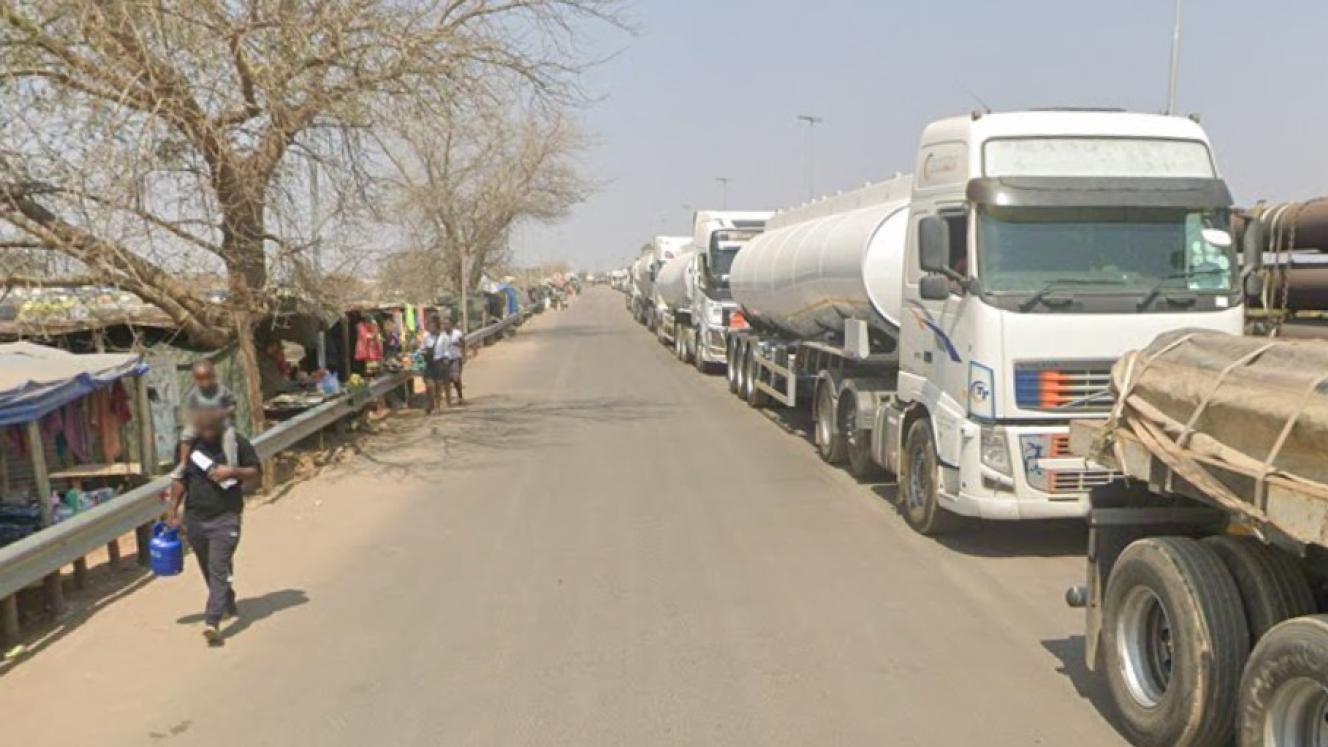
Road Freight Association CEO Gavin Kelly said in the transport sector, the impact varied by operator, as many transporters operated on tight margins without long-term contracts or bulk purchasing power to purchase billions of litres of fuel in advance.
"The majority of transporters don't have that sort of cash reserve, so they feel the expense every single day," he said.
He noted that fuel could account for 35–55% of operating costs, and sharp increases forced rate adjustments, which are passed on to customers.
"To move anything anywhere becomes more expensive. You're probably going to start seeing noticeable changes in prices (of food and goods), probably within two weeks of that petrol price coming in,” Kelly said.
He notes the ripple effects on consumer prices, particularly food, could emerge quickly as logistics costs rise following the announcement.
These forecasts remain subject to daily market shifts in oil and currency.