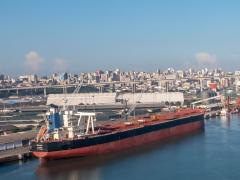
Renewed military action in the Middle East has raised concerns that further disruption to shipping through the Strait of Hormuz could reverse recent declines in fuel and fertiliser prices ahead of South Africa’s 2026/27 summer crop season.
Fertiliser and fuel prices had declined notably from May levels as peace talks between Iran and the US progressed, but renewed strikes had reintroduced risks to vessel movements through the Strait of Hormuz and the outlook for affordable agricultural inputs, said Agbiz chief economist, Wandile Sihlobo.
The renewed concerns follow earlier optimism that the reopening of the Strait of Hormuz and diplomatic efforts to end the conflict could ease agricultural input costs. Freight News reported in June that the resumption of vessel traffic through the key shipping route had improved the outlook for fuel and fertiliser prices ahead of the next summer crop season.
Planting season approaches
South Africa is about three months away from the start of the 2026/27 summer crop season in mid-October, when farmers will require fuel, fertiliser and other inputs for planting. Farmers typically place orders well ahead of the season, although Sihlobo said the delayed 2025/26 maize harvest could result in orders for the next season being placed slightly later than usual.
Fuel and fertiliser together accounted for about half of input costs in field crop production, increasing farmers’ exposure to renewed price increases, he said.
Higher input costs at a time of falling commodity prices could place additional financial pressure on farmers and have raised questions about whether some land could be left fallow during the coming season, Sihlobo said. However, it remained too early to assess whether plantings would decline. According to Sihlobo, South African farmers had historically maintained a relatively stable area under cultivation during difficult seasons, with shifts between crops depending on profitability.
Uncertainty over agricultural input costs comes alongside concerns about the potential impact of El Niño on South African production during the coming season.
Sihlobo said good soil moisture following the extended rainy season and healthy dam levels could support agricultural activity and irrigated farming despite the uncertain outlook.