Thanks to the implementation
of the Road Transport
Management System,
Barloworld Logistics saw a
66% reduction in the number
of crashes in its owner driver
fleet in 2012.
According to Dr Paul
Nordengen, manager of
network asset management
systems at the CSIR, several
companies have seen similar
benefits following the
implementation of RTMS – an
industry-led, voluntary selfregulation
scheme.
Unitrans Amatikulu saw
the cost of crashes reduce from
5% of revenue to 1.3% which
meant there was a reduction in
the frequency and the severity
of crashes. Vehicle Delivery
Services saw a 42% reduction
in serious crashes, Timber
Logistics Services a 50%
reduction and the City of Cape
Town’s electricity support
services 44%.
“There is a definite
correlation between the
implementation of RTMS
and the reduction of crashes
or accidents within an
organisation,” he said.
According to Adrian van
Tonder, general manager:
technical at Barloworld
Transport, which operates
1100 vehicles at 38 sites
across the country, the benefit
to the business was so large
that RTMS was now the
minimum standard.
“All 38 of our operational
sites are RTMS-certified,”
he said. “It has introduced a
standard framework for all
our existing operational, risk
and technical protocols. It
requires stringent adherence
to legal payloads, speeding,
driving hours, maintenance
practices, documentation
control, training and
education as well as risk
assessment.”
Rob Noble, operations
services consultant for
South African Breweries
(SAB), agreed saying that
RTMS not only allowed for
better internal operations
and procedures that were
standardised throughout the
business – regardless of how
big or small the footprint was
– it also brought external,
independent credibility to
the company.
“It forces one to look at
certain aspects of the business
that were not necessarily
being looked at but were
increasing cost,” he said.
At SAB, for example,
speeding incidents were
not necessarily at the top of
the agenda, he added. “But
when you implement RTMS
it forces you to look at where
your business is at risk
and where the gaps are. It
identified speeding incidents
to us,” he said.
In a fleet of 30 vehicles it
was found that there were
more than 500 speeding
incidents per month. “By
the third month of RTMS it
was down to under 30. You
turn around the problems
that face you very quickly,”
he said. “Problems that
were never even realised to
be problems are brought to
the fore and one is able to
understand the root causes
– which in turn results in
solutions being implemented.
This all translates into money
at the end of the day. There
are far more benefits to
implementing RTMS than
not being compliant.”
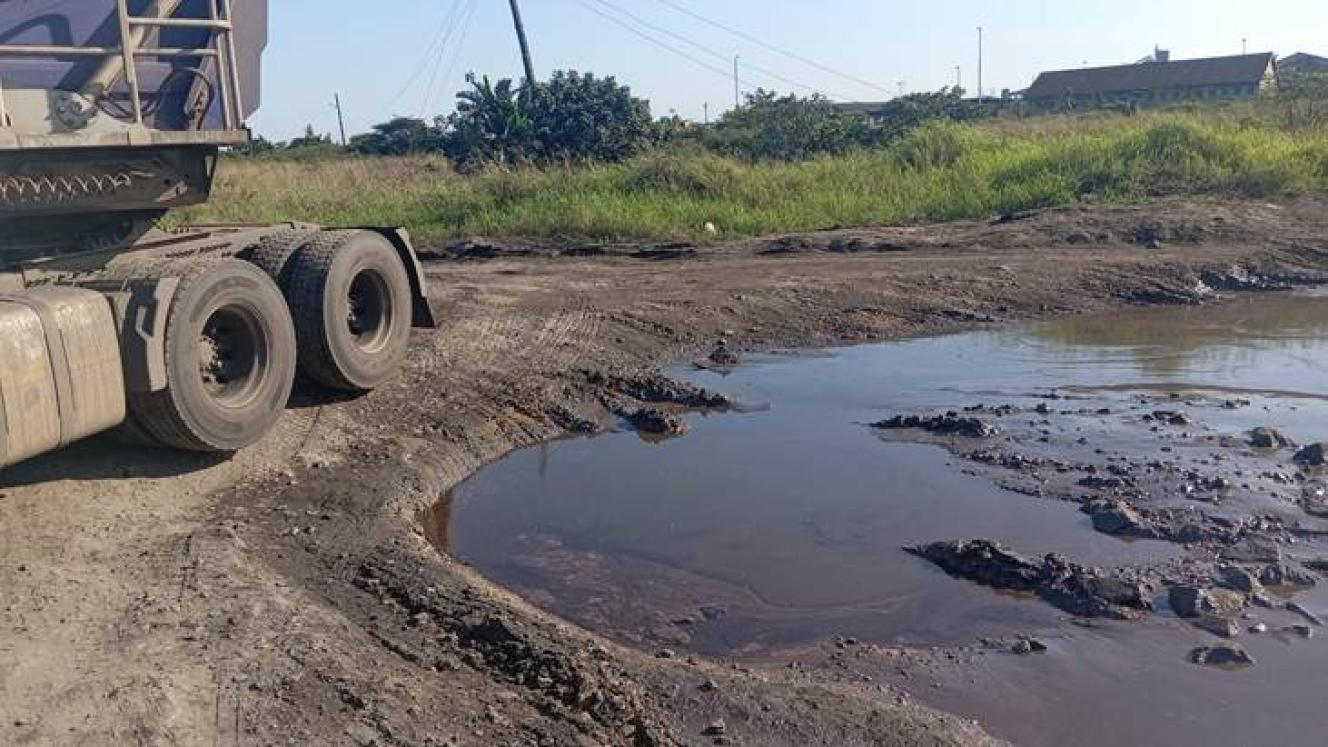
CAPTION
There is a definite correlation between the implementation of
RTMS and the reduction of crashes within an organisation.
RTMS slashes truck accident rate
Comments | 0
© Now Media. This content is protected by copyright and may not be adapted or republished. If you would like to discuss cooperation opportunities, please contact: editor@freightnews.co.za.