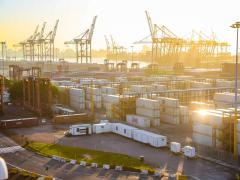
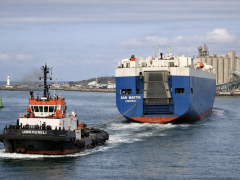
Non-Tariff Barriers (NTBs) continue to be a headache in southern Africa – raising costs and restricting trade. According to industry stalwart Mike Walwyn, the impact of NTBs is felt far and wide as they make the import and export of goods difficult and expensive. “NTBs unlike tariff barriers are not always obvious to see and are not necessarily quantifiable or measurable,” Walwyn told FTW. “It is the red tape that we all complain about and very often it is introduced through legislation and policies.” He said the more bureaucratic the process, the more difficult to do business, ultimately resulting in less trade. “It is important that we ensure we have an environment where we are not introducing more barriers but rather encouraging trade with our neighbours and other countries alike.” He said it was worrying that the country’s new customs legislation was not necessarily doing this. “The new legislation for instance demands that all goods are cleared at least two hours before being delivered to the stack. It is introducing red tape to our system and so making it difficult for exporters to move their goods, ultimately making them less competitive in the global market. We must guard against this.” He said while customs' motives were sound – wanting to ensure a safer operating environment – it was also important to ensure that legislation was not restrictive. “Tariff and non-tariff barriers reduce demand for products because it is just too difficult to access them and so the goods are sourced elsewhere.” Walwyn said it was necessary that South Africa invested time and effort in addressing the barriers restricting trade with is neighbouring countries. “If we are to grow inter-regional trade we are going to have to look at the NTBs and other obstacles first.”
'Red tape biggest NTB headache'
Comments | 0
© Now Media. This content is protected by copyright and may not be adapted or republished. If you would like to discuss cooperation opportunities, please contact: editor@freightnews.co.za.