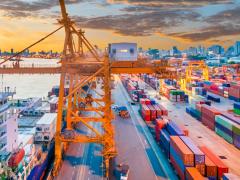
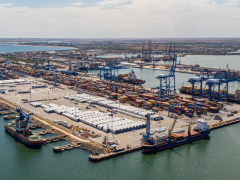
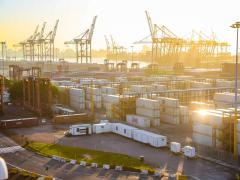
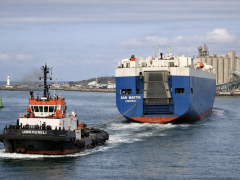
The hijacking of an oil tanker in January off Angola’s coast not only raised the possibility of Somalia-style pirates terrorising southern Africa’s sea lanes but highlighted the problems associated with foreign-registered ships. So serious are criminal and environmentally damaging acts associated with ships sailing under “flags of convenience” that Angolan naval authorities used the checkered reputations of some foreign-registered ships as an excuse to deny that any hijacking had taken place. The hijacked ship, the Kerala, was listed under the Liberian International Ship and Corporate Registry (LISCR). So-called open registries” are corporations in partnership with host governments that register vessels owned by foreign nationals. Panama maintains the world’s largest open registry for ships, with Liberia second. Both countries and the Marshall Islands account for 40% of the world’s commercial shipping fleet as measured by deadweight tonnage. An investigation by the Organisation of Economic Cooperation and Development (OECD) found that because ship owners can remain anonymous by registering their vessels using an open registry, opportunities for criminal activity are numerous. The very first foreign ship to register in Panama in the 1920s, the Belen Quezada, was used to illegally transport alcohol between Canada and the US during America’s prohibition of alcohol sales. Honduras shut down its open registry in 1982 because numerous ships flying the Honduran flag were found transporting illegal narcotics. The OECD report noted that such ships could be used to transport weapons or even become weapons themselves if they are rigged to be floating bombs or transport containers bearing nuclear or chemical weapons. Because ship owners may disguise their identities by operating their vessels under flags of convenience, they are able to evade prosecution. Illegal fishing carried out by such ships is threatening coastal African nations’ fishing resources, according to well-placed sources. Some of the largest oil spills involving tanker ships have been caused by foreignflagged ships. As further international scrutiny is given to foreignregistered ship standards, it appears many foreignregistered ship owners who are more interested in dodging taxes than running narcotics would welcome having their sullied reputations burnished, even at the price of tighter regulations. INSERT Because ship owners can remain anonymous by registering their vessels using an open registry, opportunities for criminal activity are numerous.
Recent hijacking raises concerns over 'flags of convenience'
Comments | 0
© Now Media. This content is protected by copyright and may not be adapted or republished. If you would like to discuss cooperation opportunities, please contact: editor@freightnews.co.za.