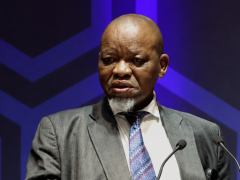
Rail is gradually clawing back market share in South Africa despite ongoing pessimism around its capacity and efficiency. According to Professor Jan Havenga, director at the Centre for Supply Chain Management at Stellenbosch University, this is substantiated by the research for the annual State of Logistics survey released recently. “And it is something that we should be welcoming, especially in light of logistics costs continuing to increase,” he told FTW. “For over 20 years Transnet Freight Rail moved around 180 million tons of cargo per annum. There was no major change in the tonnage, yet, from the moment the perspective on investment changed some seven years ago, we have seen volumes increase.” Sandra Gertenbach, executive manager of TFR, agreed saying the organisation was now moving more than 207 million tons per year. “In terms of investment alone we have made significant progress if you think that ten years ago we invested R2.4 billion compared to last year’s R18 billion,” she told FTW. Havenga said while many in the industry remained unconvinced about rail’s progress, the figures were proving that cargo was being moved back to rail. “And yes, it has been mostly on the bulk side and not general cargo, and there are many lines that are under-utilised such as the Cape Corridor for instance, but that will all come,” he said. “The reality is that we are going to have to be patient. It is not going to happen overnight, but as the elements come into place, the infrastructure is upgraded and more collaboration takes place between TFR and its customers, I believe we will start to see more volumes on rail in this country.” Gertenbach said their projections were to have at least 350 million tons of cargo on rail before 2020. “We understand though that we cannot do it alone and therefore agreements with the big logistics service providers in the country are crucial to the success of the road to rail strategy,” she said. “We also know that we have to build more credibility with the industry. We have to be more reliable, more predictable and be more customer-centric, but there is change happening already.” Havenga said the 10th State of Logistics survey supported this and found that the public sector needed to create a more enabling environment for effective logistics. “There is going to have to be a greater drive towards intermodalism as this is a key enabler to reduce costs and improve the country’s overall logistics performance.” According to Havenga, a significant change in attitude towards rail is also needed. “We cannot continue as we are at present. The costs are increasing year on year and we now have a model, one of a few in the world, to show us exactly where our costs lie – and logistics costs are influenced more than anything else by the fuel price. Changing that means understanding the very real need for intermodality and using rail far more frequently.” INSERT & CAPTION As more collaboration takes place between TFR and its customers, I believe we will start to see more volumes on rail in this country. – Jan Havenga
Rail’s time is now!
Comments | 0
© Now Media. This content is protected by copyright and may not be adapted or republished. If you would like to discuss cooperation opportunities, please contact: editor@freightnews.co.za.