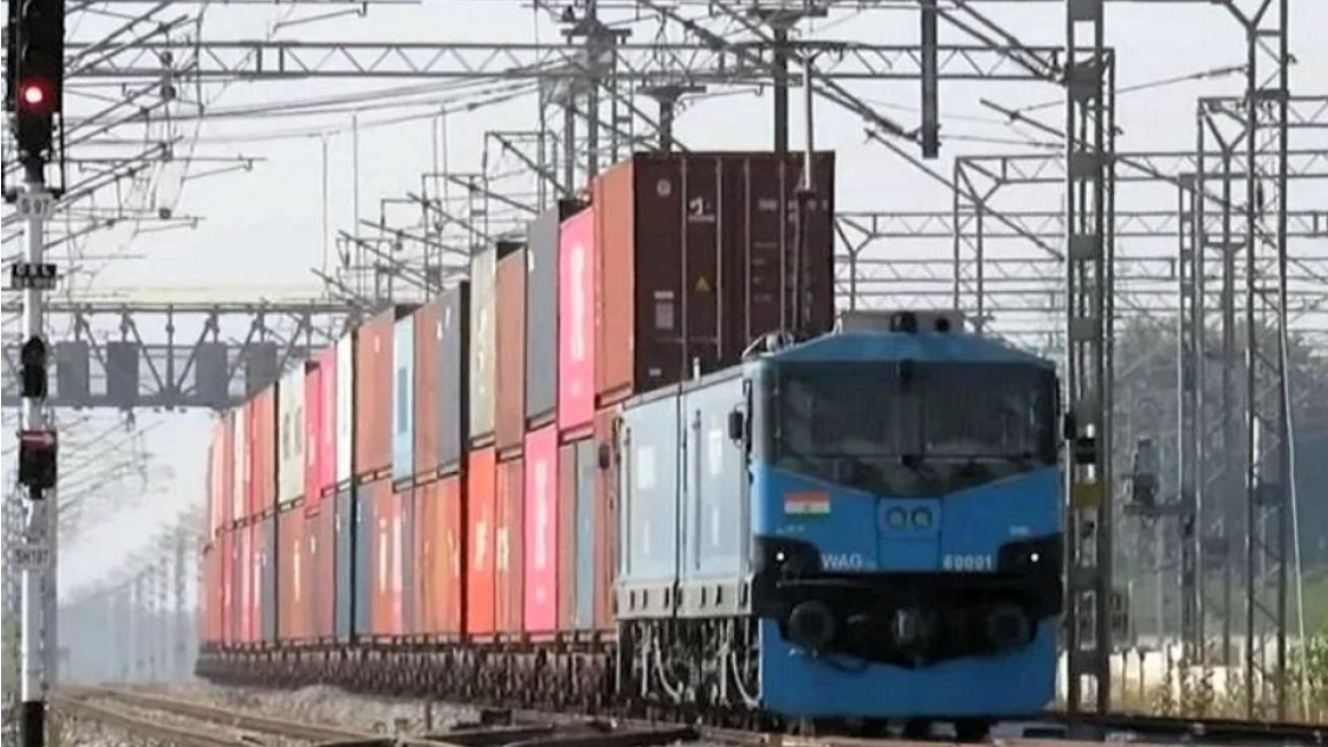
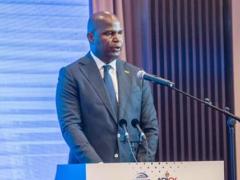
“Gabcon, the joint venture between Botswana Railways and Transnet, is a disaster. It is pulling our industry down and letting it down. It takes seven days for a container to get here from Durban and then it takes two months to get it from them. They also don’t have equipment so you have to rent trucks at extra cost to get these goods,” says Oduetse Makgane, chairman of the Botswana Freight Forwarders’ Association (BFFA). “It is something very concerning for all clearing agents. The government pleaded for the community to support them but we don’t get service. Transnet is blamed for everything but Botswana companies cannot reach Transnet in South Africa and take them on as the problem is in Botswana. “Gabcon needs to upgrade the system and invest in equipment to do the job properly. They have a truck lifter to hoist containers but it breaks down so they have nothing to transport containers with. As we speak nothing is happening. It is killing the market,” Makgane said. Border posts “If we get the 24-hour non-stop border posts up and running it will have a very positive impact on the industry and economy. Congestion will ease and turnaround time will be reduced. As an association we are applying pressure to make this happen,” says Makgane. The single border post between Namibia and Botswana has already been agreed upon by the two governments concerned. Makgane does however warn that with the breakdown in rail transport, market integration will remain a pipe dream as the turnaround time for delivery of goods to clients is a crucial aspect that cannot happen without a professional rail service. Corruption While corruption at border posts has yet to make BFFA’s agenda, Makgane does admit that it takes place. “We, as an entire community, must condemn this. Unless the entire community refrains from such acts the situation will worsen. It is not good for the economy, we are the eyes and ears of the government and if we keep quiet then we are condoning it,” he says. Botswana is a zero tolerance country and it is government policy to destabilise all crime and corruption. “It is very important for foreign direct investors to know that their investment is secure,” notes Makgane.
Rail is freight forwarders’ biggest concern
Comments | 0