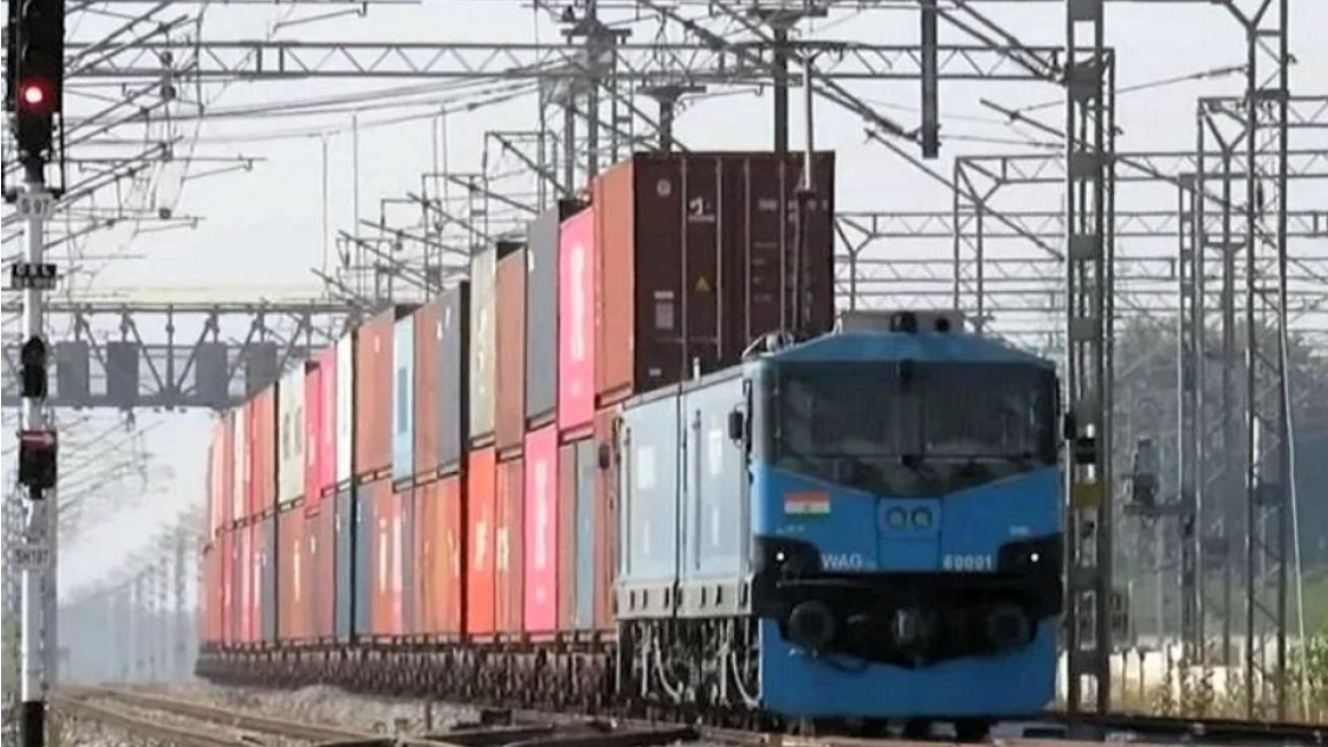
As more and more major companies put their money where their mouth is on carbon footprint issues, Transnet Freight Rail has assembled strong evidence to support its competitive argument in the rail versus road debate. “Depending on volume, significant carbon footprint savings can be achieved compared to road,” says sales and marketing executive Bheka Xaba who believes that a rail offering is 90% more eco-friendly than a road offering on major routes. “Customers are increasingly taking the issue of carbon footprint very seriously,” says Xaba. Based on 50 TEUs each for Natcor, Capecor and Southcor, assuming that TEU weight is 15 tons and assuming 50 TEUs per train and two TEUs by road, the carbon footprint per ton of cargo would be 15.75 for rail as opposed to 393.75 for road on Natcor, 31.50 as against 787.50 on Capecor and 26.25 compared to 656.25 on Southcor. These are significant numbers, says Xaba. Cadbury, for example, which uses rail, has measured greenhouse gas emissions at all stages of the supply chain (“from farm to plate”), including emissions from agriculture, transport, packaging and waste streams. The company shared its data with key customers and suppliers and is working with dairy producers in the United Kingdom to reduce emissions in chocolate manufacturing. It is also engaging with suppliers to teach them sustainable practices for reducing emissions. Another rail user, Nike, has also made significant strides, says Xaba. The company estimated the embedded carbon in its products to be equal to 2.5 times the carbon emitted by the footwear factories making the products, a conclusion that led it to consider alternative materials in the design process. Green action plays a key role in every major shipper’s logistics decisions – and TFR can provide quantified evidence to support its value proposition, he said.
‘Rail is 90% more eco-friendly on major routes’
Comments | 0