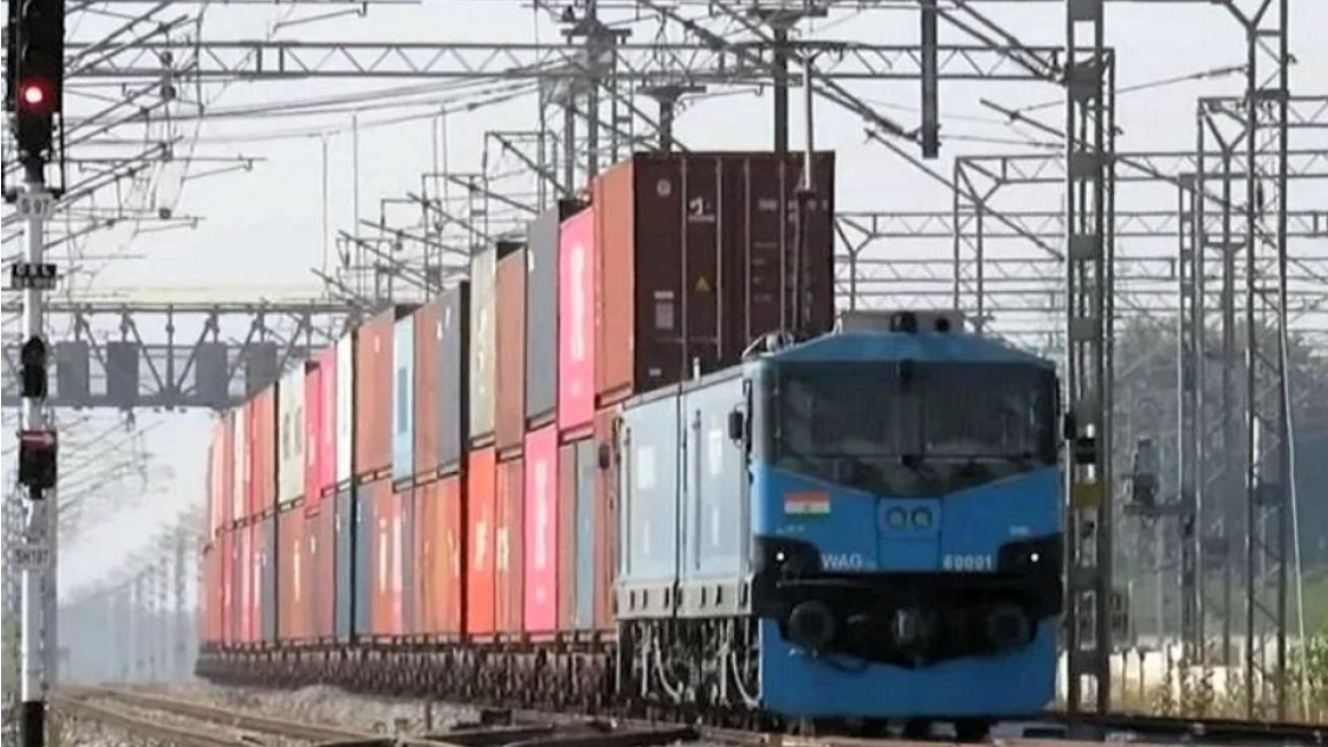
Exports for the year will most likely reflect a loss because of the impending three-week closure of the coal line to Richards Bay from Mpumalanga, according to Optimum Coal, one of the country’s largest coal mining firms. “We will carry on production during the closure of the line but will most likely end up stockpiling,” said a company spokesman. “No doubt, though, the closure will affect us.” Transnet Freight Rail announced earlier this month that the fully electrified 580-kilometre coal line, which starts in Mpumalanga and runs through KwaZulu Natal to Richards Bay, would be shut from May 23 to June 11 as part of its planned maintenance. Optimum Coal supplies coal that is used to power 5% of the electricity on Eskom’s African grid. “We will continue with production and expect to make a loss in that time but it would be unfair to provide estimates, given that our financial year ends in June,” said the spokesman. The Richards Bay Coal Terminal is the largest coal port in Africa with the capacity to ship 91-million tonnes out of the country each year. However, it currently handles about 65 million tonnes to the terminal. TFR is set to benefit over the next five years from the company’s R110-billion upgrade to rail and ports around the country. But the closure for maintenance of the coal line to Richards Bay is likely to see a drop in coal exports, which increased to 5.3 million tonnes last month from 4.57 million tonnes in February, according to Simon Lester, the managing director of Clarksons in South Africa. He said coal exports from the RBCT would decrease to around 4-4.5 million tonnes. Meanwhile Bheki Sibiya, the chief executive of the Chamber of Mines, said recently that coal exports from South Africa had fallen from 71.4 million tons in 2005 to some 63 million tons in 2010, mostly due to the inefficiencies in the Coalink railway line. He said in this context of falling coal exports, South African coal exports to Europe had declined sharply and export volumes of export-quality coals had shifted to the Far Eastern markets, including India. The percentage of South African coal exports that go to Europe has decreased from 90% of total to some 50% over the past two years. Some 50% of South Africa’s export coals are now destined for India and other Far East markets.
Rail inefficiencies hit SA’s coal export volumes
Comments | 0