The Western Cape may have survived the drought, but now they are fighting foot and mouth disease. Whilst the province itself has not seen an outbreak, evidence of the disease in Limpopo could impact the province’s meat exports in 2019. According to minister of economic opportunities, Beverley Schäfer, this comes as South Africa’s
designation as foot and mouth free has been suspended. Having experienced good rains during the winter of 2018, the province does, however, expect to see some uptick in its agricultural exports this year even though strict water restrictions remain. “Climate change is a reality that we must face, and despite good winter rains and a mild summer in much of the province, we don’t know what will happen going forward,” said Schäfer. “Water saving remains of utmost importance. In the Karoo, drought still remains a major concern, impacting farmers and businesses there. The Western Cape government is assisting with drought relief and fodder as much as possible.” She said revised water allocations for the agricultural sector were necessary as this would contribute to recovery in the sector. “The reduction in the petrol price is also likely
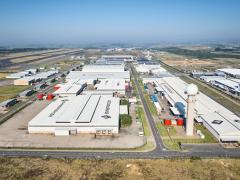
to create further stimulus in the economy, as some of the financial pressure on consumers will have eased,” said Schäfer. She confirmed that in 2019 the focus would remain on tourism, agri-processing and the oil and gas sector. The tech and green energy sectors were additional priorities. “We are also focused on driving manufacturing in the province, and have seen the development of new manufacturing facilities in our rural areas. For example, the Foschini group has set up a manufacturing facility in Caledon where they expect to grow considerably in the next few years.” She told FTW the oceans economy was another priority for her department as it was seen as a massive opportunity for the province, which has one third of the country’s coastline. “South Africa has the potential to grow aquaculture from just over 3500 tonnes to more than 90 000 tonnes over the next 10 to 20 years. The Western Cape already makes up 85.5% of South Africa’s exports of fish, crustaceans and molluscs and has
the highest number of operational abalone farms in the country,” said Schäfer. Globally, there is a move towards farmed abalone, and South African abalone, known for its bigger size, is already prized on the international market. “We see real scope to grow exports of farmed abalone from South Africa and we are seeking investors for farming projects.” Schäfer said the province was keeping a close watch on the developments around Brexit as the UK remained a key export market for the province. “Commodity economies in the rest of Africa have been impacted by the drop in the commodity prices and we expect that this could impact our exports to these nations - so we are keeping on top of that as well,” she said. “We remain convinced that developing our Halal exports is an opportunity as this is a hugely underserved market, which the Western Cape is perfectly positioned to service. Last year we held the first Africa Halal Week in Cape Town, and many of our outbound missions for 2019 will be focused on expanding this market.”
CAPTION
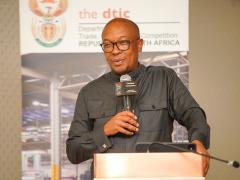
We are focused on driving manufacturing in the province. – Beverley Schäfer