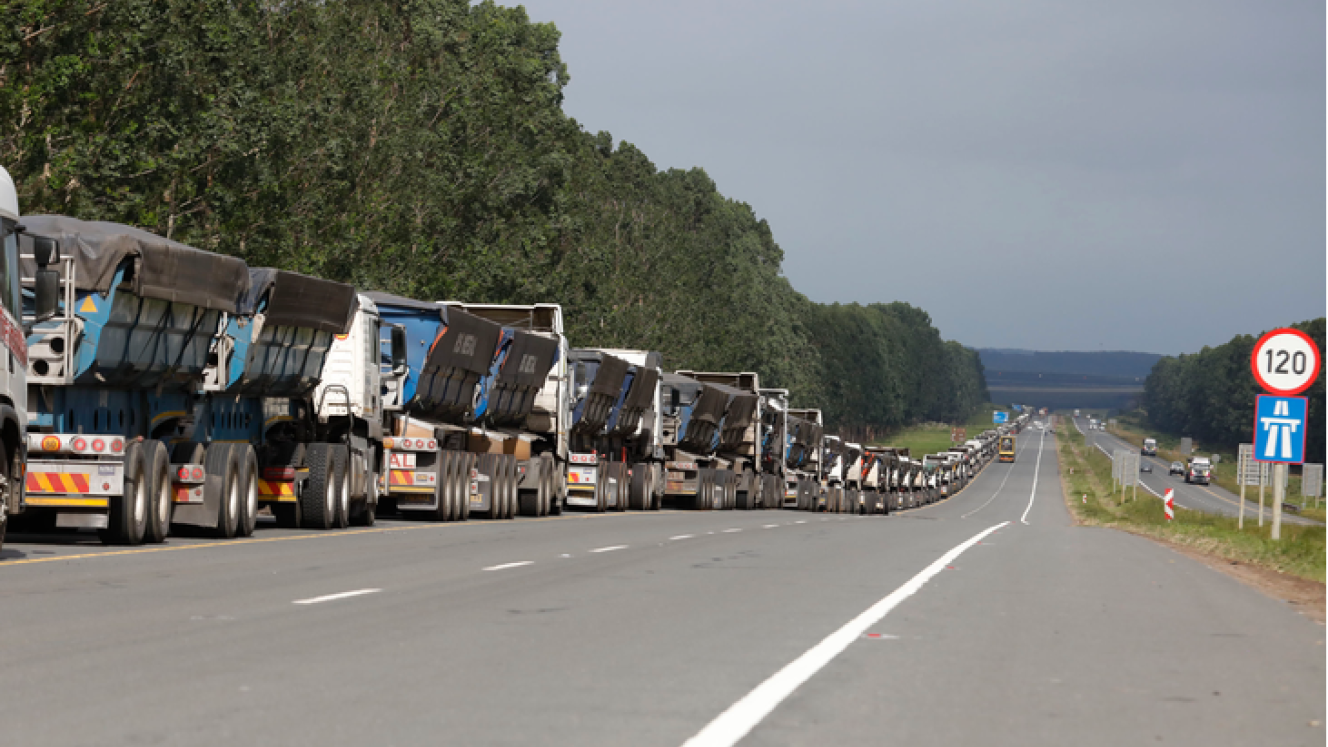
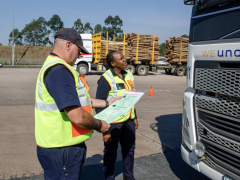
The movement of processed foodstuffs remains the biggest culprit when it comes to carbon emissions in the freight sector – and finding solutions for this commodity alone would make a major difference to the sector’s carbon footprint. According to Louise Naude, national climate change officer with the WWF, it is important to understand where the biggest emissions are coming from. “There is not one simple solution that can be applied across the board,” she said. An in-depth study into road freight emissions found that corridor road freight made the largest contribution to freight emissions – followed by rural road freight and metropolitan road freight. “And in the corridor sector the transport of processed foods makes up a particularly large proportion of this freight segment. The nature of the commodity makes it suitable for an intermodal transport solution and given that most of it is currently transported by road, it is an ideal commodity for a road to rail shift.” Commenting on the pending carbon tax, Naude said it was understandable that there was resistance from the road industry in light of the continued cost increases faced, but warned that an increased carbon footprint would ultimately carry far greater costs. “So with margins already squeezed to the limit we have to ask ourselves how we can reduce our emissions." INSERT & CAPTION An increased carbon footprint will ultimately carry far greater costs than the proposed carbon tax. – Louise Naude
Processed foors are biggest carbon culprits
Comments | 0
© Now Media. This content is protected by copyright and may not be adapted or republished. If you would like to discuss cooperation opportunities, please contact: editor@freightnews.co.za.