... but SARS may still retain a vehicle if fraud is suspected, writes Anna Cox
THE CROSS Border Road Transport Agency (C-BRTA) last week revealed the findings of its recently commissioned study into the feasibility of pre-clearance to avoid delays at
border posts.
C-BRTA facilitation officer, Corrie Wilsenach, said that in terms of this system export bills of entry and other documentation could be processed at the customs office nearest to the point of dispatch rather than at the customs office at the border post.
The South African Revenue Services (SARS), controllers of the two busiest border posts, Beitbridge and Lebombo, commercial border post controllers and larger freight companies were consulted for the study.
One of the findings was that the Customs and Excise Act does make allowance for pre-clearing. It found that about 60% of the current loads were pre-cleared.
Where an exporter requests the SARS to visit his premises for a physical inspection, the exporter will be responsible for costs involved. The exporter may consider pre-clearing a load at any SARS office at no additional cost.
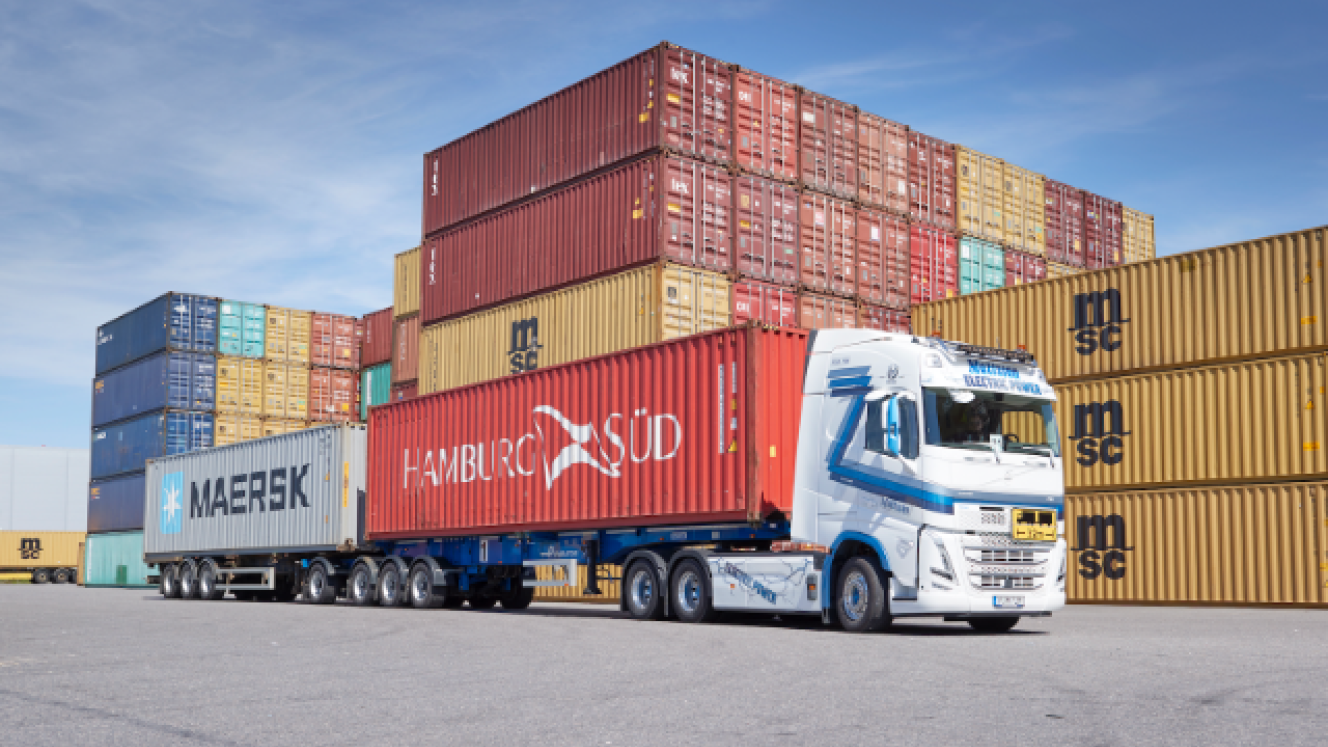
Loads can be categorised into three components, said Wilsenach: Normal, ex-bonded warehouse and removal in bond. In the case of the last two categories, 100% of the loads are pre-cleared but they are subjected to a full supervision check at the border. At the request of the operator, normal loads may be pre-cleared and will be called for examination on a random basis.
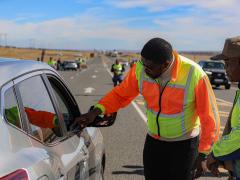
The investigations also revealed that while pre-clearance is accepted, the SARS may still exercise its right to detain a vehicle for full or partial inspection even if it is not in the random selection, when they have reason to suspect fraud or if there are problems with documentation.
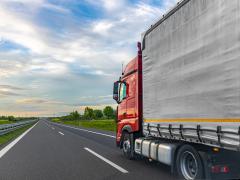
Findings also show that all loads can qualify for pre-clearance, but only loads transported in specific vehicles qualify for supervision when packed.
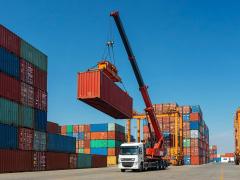
These include vehicles with containerised cargo and tankers which can be sealed. Mixed-consignments loaded just before departure are therefore not suitable for pre-clearance.
Another finding was that to obtain VAT refunds and bond acquittal, goods and documentation still had to be presented to customs at the borders.
Copyright Now Media (Pty) Ltd
No article may be reproduced without the written permission of the editor
To respond to this article send your email to joyo@nowmedia.co.za