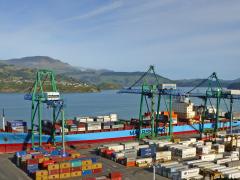
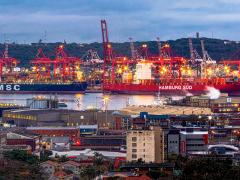
Checking of container seals at the port of entry could provide a vital means of protecting the shipping lines from pilferage claims and the port and terminals from terrorism, in the view of Andrew Pike, maritime legal specialist and partner of Van Velden Pike Incorporated. “Transnet Port Terminals (TPT) does not check seals on containers entering the Durban container terminal (DCT),” he said. “There is therefore no way of knowing if the seal on a container entering the port is the same as the seal installed when it was packed.” It is therefore easy, he added, for a transporter to deviate on the way to the port and for goods to be unpacked and a new seal installed. And this presents a problem for shipping lines, which need to account for container pilferage once the container is in their custody. “Even more significantly,” Pike said, “this presents a huge security risk for the port and for the ships onto which the containers are loaded.” Every terminal and every port is supposed to have a security plan in terms of the International Ship and Port Facility Security (ISPS) Code. “I wonder how any ISPS plan can be reconciled with a refusal to check container seals on entry into the port and reconcile them with the seals installed by the exporter,” Pike added. The obvious answer to this, he suggested, is that TPT should be advised of seal numbers before containers enter the port – and should check them when the container actually enters the port.
Port seal check could cut pilferage
Comments | 0
© Now Media. This content is protected by copyright and may not be adapted or republished. If you would like to discuss cooperation opportunities, please contact: editor@freightnews.co.za.