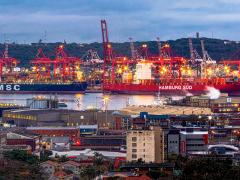
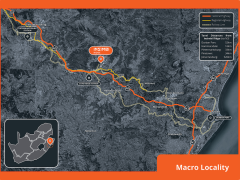
Leaked information from port insiders has been blamed for a spike in the hijacking of cargo leaving Durban harbour. Police maintain that hijacking syndicates operating on the N3 corridor are being fed information from within the Port of Durban. eThekwini metro police spokesperson, senior superintendent Sewpershad Parbhoo, told FTW that as a national key point the port would always be a target for criminals. “The route from the port, however, is where the crimes are being committed and it is clear that they know exactly which containers to target,” he said. Police intelligence officials have for some time said that port insiders are leaking information about the movement of valuable cargo and that containers are being targeted coming out of the harbour. “The port must tighten its security measures,” said Parbhoo. “This includes service providers working in and around the port being vetted more carefully.” Several incidents in the past month involving syndicates have again pointed a finger at port inside information being leaked. In a sting operation police recovered goods worth millions of rands from suspected hijackers while goods with an estimated value of R2.5 million were recovered at a house in Malvern after the hijacking of two trucks. “These incidents are only the tip of the iceberg,” said Parbhoo. “The trend is that the port is a target 24 hours a day, seven days a week, 365 days a year.” An industry source told FTW that information gathered by police in the various sting operations clearly confirmed suspicions that the syndicates had inside information from the port. Not only did the syndicate in one of the cases have detailed information about the goods, but also the destination and route. Parbhoo confirmed that there had been a number of truck hijackings in the past few months and reiterated that police were continuing to work closely with various stakeholders – including port authorities – to clamp down on crime in and around the port. He called on the logistics industry to work with police and to share information. “If something about a transaction does not feel right or it seems untoward, let the police know. It may very well not be criminal but rather don’t take a chance.” Industry stalwart Kevin Martin agreed saying truck operators often did not know what loads they were carrying but should report any suspicious behaviour to the police. “If something smells like a rat then it probably is,” he said. Commenting on the leaking of insider information, he said there were a variety of sources – from the cargo owner himself to the shipping line to the various authorities and agencies working within the port. Another source told FTW that a concern in Durban at present was the increased number of customs stops. “This is becoming a concern because the longer a container stands, the higher the risk of information about that container being leaked to these syndicates.” However, according to customs spokesman Sandile Memele, the hypothesis that increased customs control leads to crime is misleading and untested. “Leakages on cargo contents and routes trucks follow are within the domain of the trader and the logistics operator. Apart from customs, only the cargo agent and depot official are allowed to be present during the customs examination,” he said.
Port insiders blamed for spike in targeted hijacks
Comments | 0
© Now Media. This content is protected by copyright and may not be adapted or republished. If you would like to discuss cooperation opportunities, please contact: editor@freightnews.co.za.