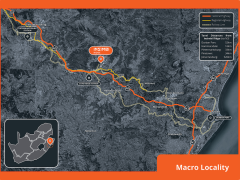
Inadequate electricity and rail infrastructure have stymied growth in South Africa’s manganese exports. According to the Minerals Council of South Africa, port capacity has been an additional limiting factor. “South Africa has 80% of the world reserves, but only manages 30% of total production,” said the council’s chief economist, Henk
Langenhoven. “Rail capacity to Port Elizabeth is currently only 5.5 million tonnes per annum but could be upgraded to 12 million tonnes.” There was also potential, he said, to share the SishenSaldanha rail line. This would add another 10 million tonnes per annum while also being a far more cost-effective way of moving the commodity. With plans under way to
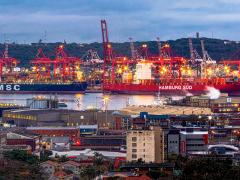
upgrade Port Elizabeth port’s capacity from the current 6 million tonnes to 10 million per year this would still not address the capacity issue. As the largest manganese producer in the world South Africa could benefit far more from manganese exports if it had the ability to export more. According to the Minerals Council there is the possibility of expanding capacity at the Port of Saldanha as well, but at present there are constraints in doing this. Questions have been raised by mining experts about why South Africa has not yet declared manganese a strategic mineral resource as it is a commodity that tracks steel – which means it is a
key ingredient in steel projects. In February, at the annual Investing in Africa Mining Indaba, calls were made to the government to develop
a plan for manganese – including building smelters locally rather than shipping the ore to Malaysia where most manganese players currently had facilities.
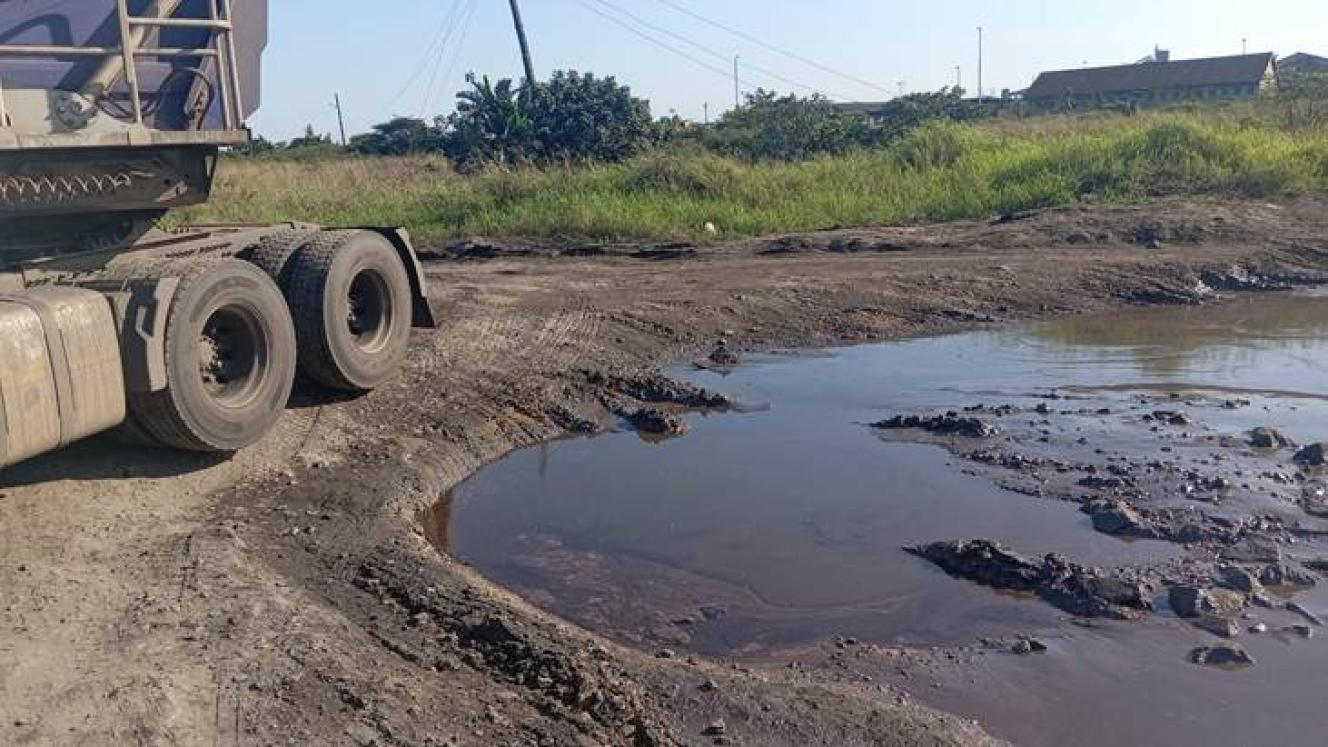
CAPTION: Rail capacity to Port Elizabeth is currently only 5.5 million tonnes per annum but could be upgraded to 12 million tonnes. – Henk Langenhoven