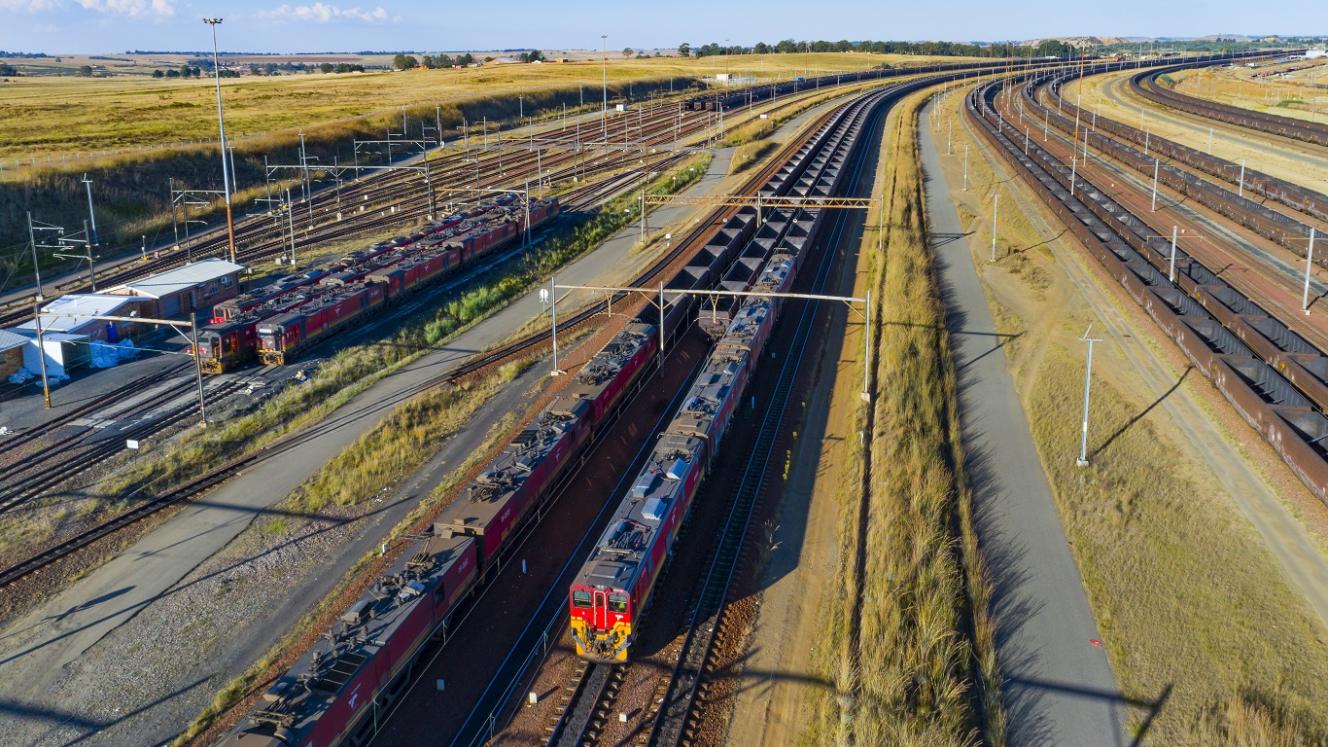
Lack of infrastructure and proper legislation remain two of the biggest stumbling blocks when it comes to cold chain logistics in Africa.
According to Sharan Raj M, an industry analyst for global market research firm Technavio, they have severely hindered the growth of the market on the continent.
“Poor electricity supply and lack of clarity in the legislation for the transport of agricultural products in many of the African countries such as Kenya, Rwanda and Tanzania have been a major challenge for the growth of the market,” he told FTW.
The total production and average growth rate of perishable products in sub-Saharan Africa between 2000 and 2010 was only 5.9%, according to the Food and Agriculture Organisation of the United Nations. Technavio, which publishes an annual report on the global food and beverage cold chain logistics market, however estimates that as investment in infrastructure improves cold chain logistics will see improved growth over the next few years.
“African farmers lose 25% to 40% of their harvest due to lack of cold storage facilities,” said Raj M. “There is therefore a huge demand for cold chain logistics – especially for fruits, vegetables and meat products.” He said major brands in the food and beverage sector had seen the potential of the African market and there was currently a clear trend of expanding into the continent, but it required setting up one’s own cold chain facilities.
“Companies like CocaCola have been very successful in Africa and their model of their own cold chain facilities is being followed by several of the big brands that are expanding,” said Raj M. The Global Cold Chain Alliance (GCCA) has also increased the work it does on the continent. Working with its partner members along with Global Alliance for Improved Nutrition (GAIN), they have put a lot of effort into improving the cold chain storage in Africa. Raj M said Conestoga cold storage, a member of GCCA from Canada, had for example helped ColdHubs, a new GCCA member from Nigeria, to build their first solar-powered cold storage facility in Owerri, Nigeria recently.
“ColdHubs helps the farmers to store their harvest like fruits and vegetables in their cold storage facility to increase their shelf life from two days to 21 days,” he said. Increasing foreign direct investment into African countries to develop the cold chain infrastructure was vital in helping to grow the market, said Raj M. Many African countries understood this and were actively looking at improving their cold chain logistics.
“Kenya has partnered with the US to develop cold chain infrastructure in the country. The partnership, formed in 2015, started with a complete assessment of its cold chain infrastructure to verify that they complied with US standards. This in order to help the African nation to improve its export capability in the fruits and vegetables sector.”
He said similar initiatives would continue to drive infrastructure growth, which in turn would result in higher growth of the cold chain logistics market.
The food and beverage cold chain logistics market in Europe, the Middle East and Africa (EMEA) was valued at $45.62 billion in 2017. According to the Technavio report it is expected to grow to $58.81 billion by 2022. This is a compound annual growth rate of 5.21%.
INSERT
5.9%
The average growth of the perishable sector in sub-Saharan Africa from 2000 to 2010.
INSERT
African farmers lose 25% to 40% of their harvest due to lack of cold storage facilities. – Sharan Raj M