It is several weeks since Cyclone Idai struck the southern African countries of Mozambique, Zimbabwe and Malawi, leaving hundreds dead and thousands displaced as a result of the devastating storm, which brought intense rain and flooding, creating a humanitarian crisis. Most of the deaths occurred in Mozambique and the costs of the devastating cyclone are still being calculated. But with clean-up operations having begun and relief efforts now in full swing, the International Monetary Fund (IMF) has released a positive outlook for Mozambique’s economy. An IMF team was in Mozambique for consultation in the aftermath of the cyclone. The organisation has committed to helping fund Mozambique’s
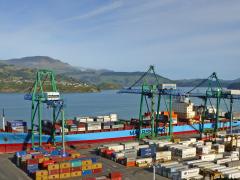
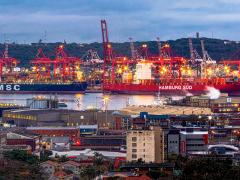
reconstruction. This will create a big demand for logistics services such as the transport of cargo and building materials, in addition to the provision of aid. Relief cargo is already flowing through the port of Beira, which was reopened for business within days of the cyclone having struck. The road link with the hinterland has also been restored. “While it is still too early to precisely assess the macro-economic effects of Cyclone Idai and reconstruction costs, these will be very significant,” said IMF team leader Ricardo Velloso. “The international community will have to continue playing a
vital role in assisting Mozambique. In this context, the IMF will consider the authorities’ request for emergency financial assistance under our rapid credit facility.” Turning to the economic fundamentals, Velloso said: “Despite the likely adverse macroeconomic effects of Cyclone Idai in 2019, which are still being analysed, the outlook is for a recovery in economic activity over the medium term. More significant expansion is being projected, with Mozambique’s liquefied natural gas production expected to start in 2023.” One of the positive
developments noted by the IMF is the diversification of the Mozambican economy. “Real GDP growth decelerated to 3.25% in 2018, but it was broader based, with non-mining growth accelerating to 2.75% in 2018 from 2% in 2017,” said Velloso. “Inflation remains subdued, reflecting tight monetary policy, the exchange rate and food price stability. International reserves at the Bank of Mozambique are relatively comfortable, covering over six months of next year’s nonmegaproject imports. “Medium-term fiscal consolidation will be essential to ensure that public debt-to-GDP ratios remain on a clear downward path. “Given that public debt is in distress, budget financing should rely – to the maximum extent
possible – on grants and highly concessional loans.” Cash flow for shippers and their logistics suppliers should improve as government starts paying its bills, he added. “The mission welcomes the implementation of the strategy to clear the stock of domestic payments arrears to suppliers, and advises the authorities to avoid new arrears by strengthening commitment controls,” said Velloso. “It also encourages the authorities to develop a strategy to clear the backlog of VAT refunds. “To accelerate inclusive and private sector-led growth, the mission recommends removing impediments to private sector investments and employment, adopting reforms to improve the business climate, and strengthening social safety nets,” concluded Velloso.
It’s amazing how quickly things got back into swing again. – Christian Roeder