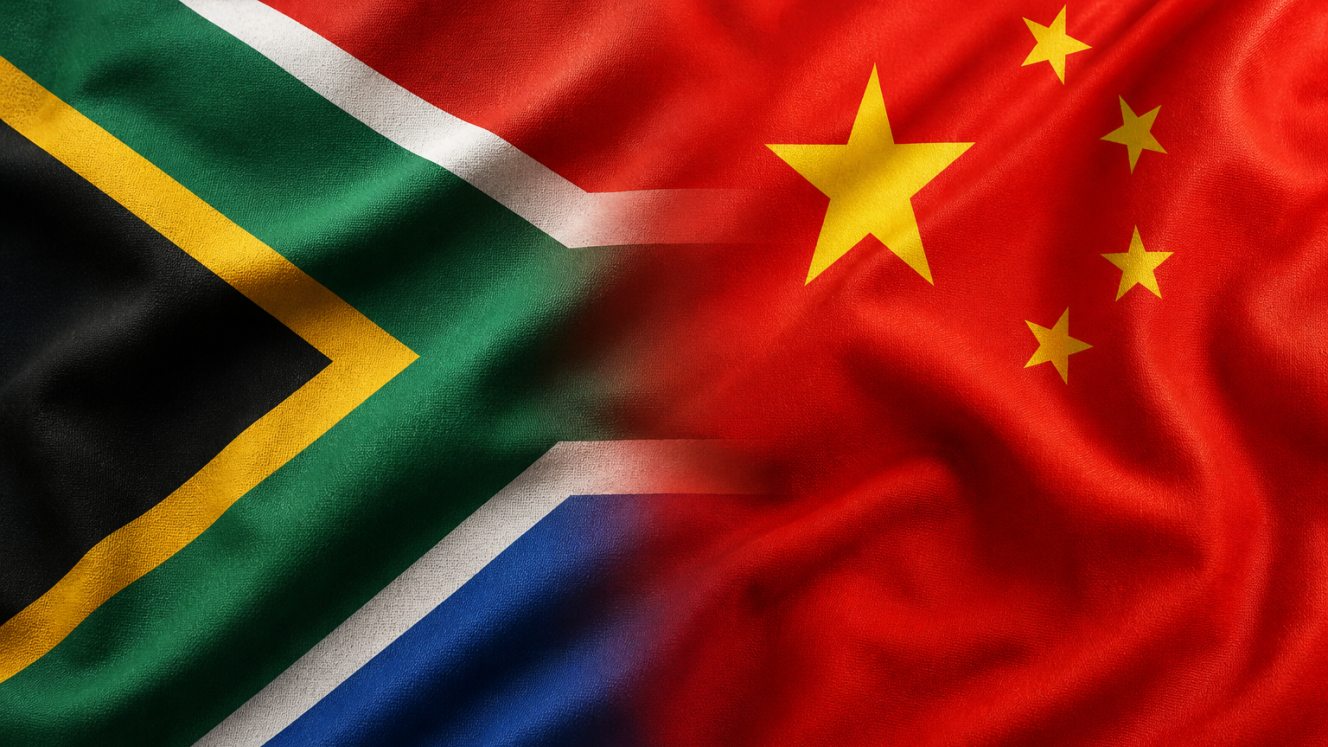
Many of the world’s top investment analysts and mining gurus believe that the commodity “supercycle” of high demand has recovered from its wobble during the global recession. For the freight and logistics industries in Africa, this is good news, as much of the continent’s economy is driven by the export of commodities. However, the Chamber of Mines in South Africa believes that internal demand will also help support commodity demand. Chief economist Roger Baxter told an IHS Global Insight economic outlook conference that, despite the recession, the biggest infrastructure boom in history was still under way – with half of the construction happening in emerging markets. The Chamber estimates that emerging market spend on infrastructure is set to hit $20-trillion over the next decade, with China accounting for 40% of that. That view is echoed by Evangelos Mytilineos, chief executive of southeast Europe’s biggest aluminium smelter, Aluminium of Greece. He told investors that growth in China and other emerging economies might lead to commodity shortages in the coming years. While there are warning flags around the sustainability of China’s infrastructure investment, there is a market much closer to home. Africa is urbanising fast, and new homes, flats, offices and factories all require steel, copper, cement and other commodities, says Baxter. Xstrata’s chief executive officer Mick Davis is also optimistic about growing demand. Speaking at the Wits Business School in mid-2010, he said copper prices had reached pre-economic meltdown levels, platinum was surging higher, and iron ore prices were also rising. Xstrata expects urbanisation in developing nations such as China, India and Brazil to continue to drive commodity prices. Also bullish about commodity demand is Rio Tinto’s chief economist Vivek Tulpule, who has predicted that overall demand for metals will double over the next two decades. There are risks, however. Xstrata has identified the three biggest as being collapse of commodity demand in China and India; China and India securing their own sources of commodities; and governments creating uncertainty through changes in legislation. For the freight industry in Africa, the massive investment by China in mines is possibly the biggest threat. Over the past year FTW has seen first-hand how Chinese operators tend to favour Chinese companies and staff for as much of their operation as possible. While they may make use of local service providers such as customs clearing agents, freight forwarders and transport operators when they first start operating in a country or along a corridor, Chinese companies are brought in as soon as there are sufficient volumes.
Optimism over sustained commodity demand
Comments | 0