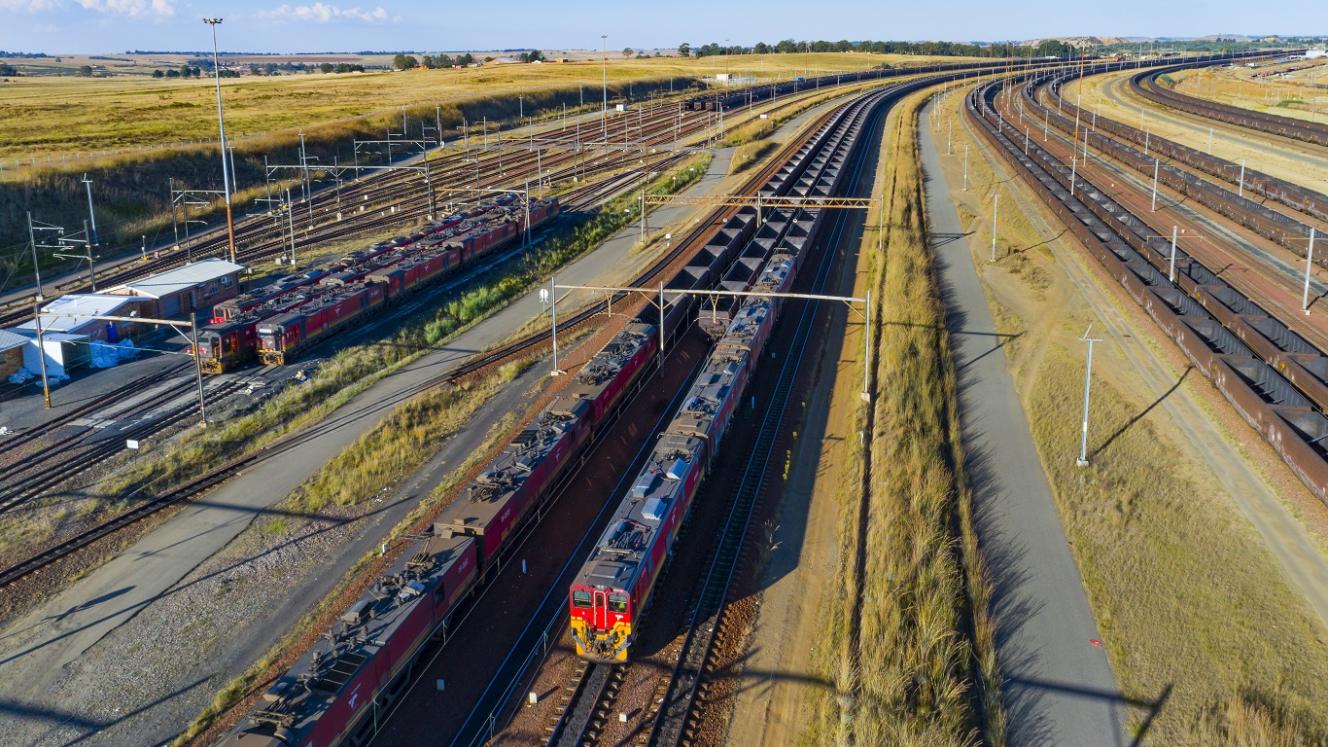
The emergence in recent years of new economic hotspots in sub-Saharan Africa – both as countries and within countries – is seeing huge new opportunities for companies in South Africa, according to trade consultant Duncan Bonnett of African info specialists, Whitehouse & Associates. “But they’re not without their challenges and frustrations,” he told FTW. Sub-Saharan Africa is seeing a surge in investor confidence and interest in many countries that hasn’t occurred in decades, says Bonnett. “Sustainably high commodity prices, being driven by demand in Asia and Latin America, are seeing a resurgence in project activity in much of the region. New areas “Moreover, this activity is not restricted to traditional oil and gas or mining jurisdictions, but in many new areas as well. Thus, northern Mozambique and southern Tanzania could well be the next major gas development region globally if estimates of the size of the gas fields are correct. Tete Province in Mozambique is set to become the next major coalproducing region of the world, while coal is seeing increased activity in Botswana and northern South Africa,” he said. The copper-producing areas of Zambia are moving further west, towards the Angolan border, but commercial activity and property development in the traditional copper towns is booming, he added. “Ghana, Uganda, Kenya, DR-Congo, even Somalia and other countries in the region, are seeing oil and gas developments that would not have happened a decade ago, whilst mining activity in Central and West Africa is developing apace. “Key cities from Lusaka to Lagos and Dar es Salaam to Dakar are seeing huge new urbanisation plans being developed and put into place, whilst agri-industrial developments, plans and policies are taking root throughout much of the region. Furthermore, a trend is emerging for countries to establish sovereign wealth funds to ring fence income from these developments for use in social services and infrastructure development. The next decade should thus see significant growth in locally funded and managed projects.” All of this he says, provides excellent opportunities for exporters and business development managers. “This applies equally to services and goods, as many of these developments are in remote locations. As such, there is a pressing need to develop roads, railways, power (generation, transmission and distribution) telecoms, housing, recreation and shopping facilities, water and sanitation, hospitals, clinics and almost any other type of infrastructure imaginable. It is also creating, despite scepticism from some analysts, a nascent middle income consumer group that is increasingly demanding goods and services more in line with the rest of the world.” Statistics, in this case, don’t lie, and the surge in imports of ‘luxury’ items such as consumer electronics, wine and spirits, brand-name clothing, the spread of upmarket retailers and food franchises, as well as banks and mobile phone operators, underpins this new reality, he points out. How companies in South Africa and the rest of the region tap into these opportunities has to be the key question. “It’s both simple and complicated: follow the money. Traditionally this was easy: infrastructure was developed by the state and their partners in the international donor and finance community, whilst industry was developed and funded by the private sector. “This is still true to a degree, but the divisions have blurred somewhat. Major commodity producers are now funding their own ‘pit to port’ infrastructure, either on their own or in concert with local and international partners, utilities and state organs. This applies to rail, ports, potentially power and even social infrastructure such as housing for workers and their families. Understanding the project cycle and chain of contractors and subcontractors is thus vital to be able to enter this food chain.” Dominant economy But he adds a note of caution. “Whilst South Africa is still the dominant economy in the region, and whilst we certainly have companies of the size and technical capability to undertake large development projects, the space has become increasingly competitive. Asian (particularly Chinese) companies are undertaking increasing amounts of publicly or donor-funded project activity in the region, as well as benefiting from bilateral loans and concessions that leverage them into the African project and business space. In addition, large multinational resource companies are being followed by their traditional suppliers into these new markets. This makes it difficult for new suppliers to break into the supply chains in some instances. “Companies have to be cognisant of the standards required, pricing, delivery and norms used by these large companies in order to compete successfully,” he said. “In addition, local content and participation requirements will see increasing pressure on companies to utilise locally registered suppliers of goods and services. This could actually work in favour of South African companies who are used to these requirements and the corporate social investment (CSI) requirements that go hand-in-hand with many of these developments. Finally, it is time for South African companies to make a critical decision: do they want to be part of this new development for the long-term, or are they happy to watch others move into the space that we have occupied, piecemeal, for the last two decades. It is a strategic decision that companies need to take and stick to. The region is not going away; developments are not slowing down; opportunities are growing – but so is the global competition.” INSERT ‘Are SA companies happy to watch others move into the space that we have occupied, piecemeal, for the last two decades?’ CAPTION Duncan Bonnett … ‘SA still the dominant player – but the space has become increasingly competitive.’
Opportunities are growing – but so is global competition
Comments | 0
© Now Media. This content is protected by copyright and may not be adapted or republished. If you would like to discuss cooperation opportunities, please contact: editor@freightnews.co.za.