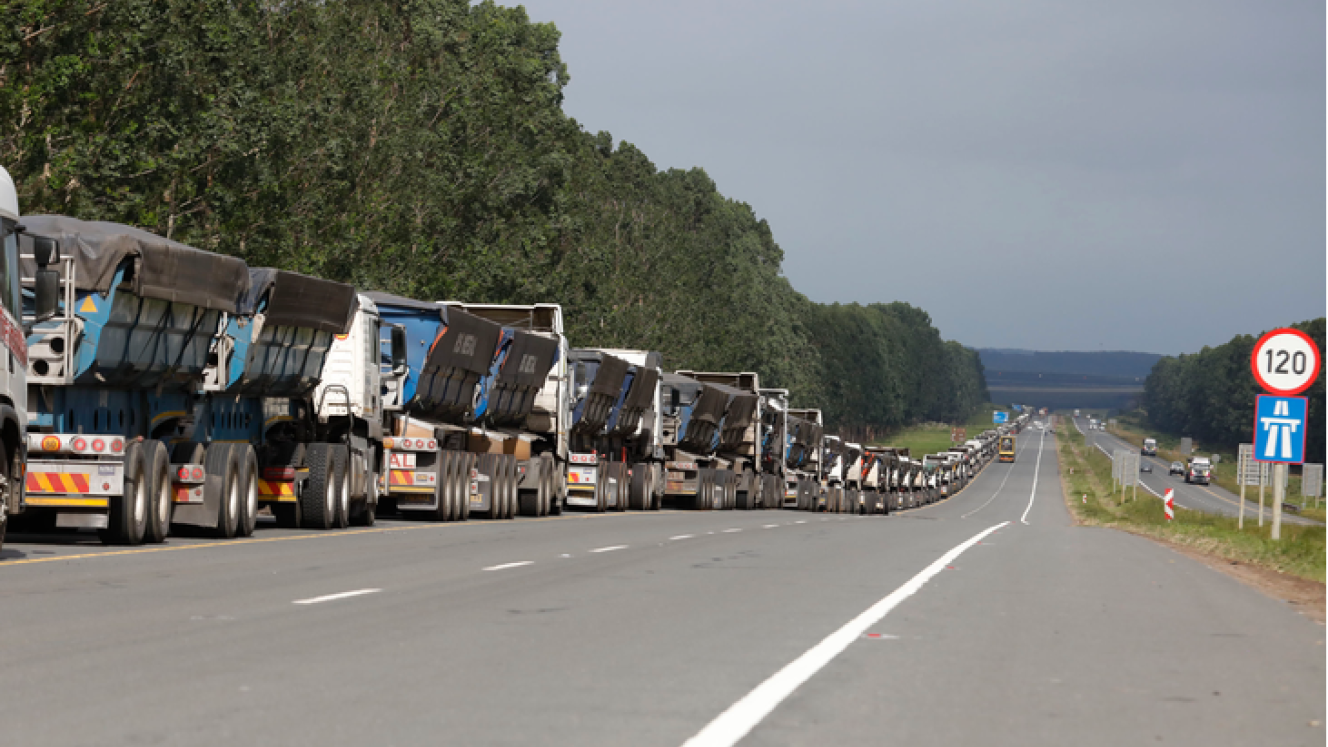
Companies exporting or importing goods through South Africa need to be vigilant about pricing in order to be competitive in today’s markets, according to Warren Jayes, the managing director of freight forwarding firm Leo Shipping. “We operate through one of the most expensive ports in the world and landlocked countries in Africa are making more and more use of northern ports such as Walvis Bay and Beira,” Jayes told FTW. “There is also a current increase in container stops by border police at Durban and City Deep, which is making costs for foreign importers making use of our ports for transit cargo extremely expensive.” He warned that if the issue was not addressed, local freight forwarders, ports and transporters would see a loss in business as these landlocked countries moved their trade to northern ports. “The upgrade of the Zimra customs systems at Beitbridge was intended to improve the flow of traffic through the border, but they were unprepared in initiating the system with the result that it backfired causing an unprecedented bottleneck of traffic at the border. Hopefully this system will be fixed to embrace the intention it was set up to achieve,” said Jayes. However, despite the problems faced at South Africa’s ports, Leo Shipping is confident that it will achieve volumes in excess of 50 000 million tonnes of cargo northbound and 38 000 southbound. “We are confident that next year will bring similar volumes to this year. Along with everybody else, we are hoping for increased volumes of cargo,” said Jayes. Leo Shipping is a freight forwarding and transport/ warehousing company and together with its Zimbabwebased partners Alro Shipping, it has offices in Johannesburg, Beitbridge, Harare and Mutare. “We handle large volumes of cotton from Zimbabwe through South Africa for seafreight and roadfreight export as well as tobacco from Zimbabwe for export through South Africa,” said Jayes. “We also handle RIT cargo entering Durban by sea for oncarriage to Zimbabwe and Zambia, either in containers or on an unpack and breakbulk basis.” The company runs a consolidation service to Zimbabwe almost daily. It also moves general cargo full loads – around 100-180 per month.
Northern ports threaten SA’s dominance
Comments | 0
© Now Media. This content is protected by copyright and may not be adapted or republished. If you would like to discuss cooperation opportunities, please contact: editor@freightnews.co.za.