Transnet Port Terminals (TPT) and Transnet National Ports Authority (TNPA) have agreed to implement new measures to improve operations at the Port of Ngqura and the Ngqura Container Terminal (NCT).
In a joint statement the two organisations told FTW that communication with trucking associations would be intensified through monthly meetings while a truck staging area would be introduced at the Eastern Cape port.
“In instances where the terminal experiences adverse weather conditions, all stakeholders will be advised accordingly, and in cases of weather delays, a recovery plan will be communicated,” the statement read. “Any change in the planning at the terminal and port will be shared by the shipping lines.”
These measures were sparked by a letter of complaint sent to several organisations – including TPT, TNPA, the Department of Transport and the Department of Trade and Industry – by CEO of road transport company Freight Solutions, Philip Darne, which resulted in a stakeholder meeting last month.
Darne criticised the “constant” interruptions to operations at the port. “We are inundated with constant interruptions in the form of ‘wind bound’, ‘current bound’, meeting after meeting, memorial services and roadshows,” said Darne. “‘Fog bound’, underwater currents, vessel movement, and any other excuse not to work; if it rains too hard, they close.”
He said that the situation was becoming desperate. He warned that people would lose their jobs and that interruptions at the port would bankrupt transporters.
Roadfreight transporters were not “afforded the luxury” of being able to charge their customers for the port inefficiencies as they were governed by a bargaining council – which also dictated what they had to pay staff, he added.
“[While] the ports can work out what their costs for the year will be and charge clients accordingly, taking any capital expenditure into the budget without any competition, we are dictated to and have stiff competition,” he said.
South African Association of Ship Operators and Agents (Saasoa) CEO, Peter Besnard, however disagreed with Darne on the severity of the situation. “As occurs in all the ports, TNPA and TPT do have staff engagements where management has had to address all three shifts and their respective staff members and as such the port basically shuts down for one hour at a time to discuss issues like productivity grievances or even incentive bonuses on occasion,” he said.
“Also, being a Rubber Tyre Gantry-type terminal, both landside and waterside operations generally stop when the terminal is declared wind bound, but I can assure you that the shipping lines monitor the wind speed very closely to determine when they stop operations.”
He said that TPT granted additional free periods for terminal storage when the port was declared wind bound or where staff meetings had occurred.
While gates were usually congested soon after the port was no longer wind bound, this was a natural occurrence.
Limited resources and staff shortages had resulted in delays in landside operations but this situation was currently improving as TPT had recently undergone “beneficial” management changes and restructuring, he added.
CAPTION
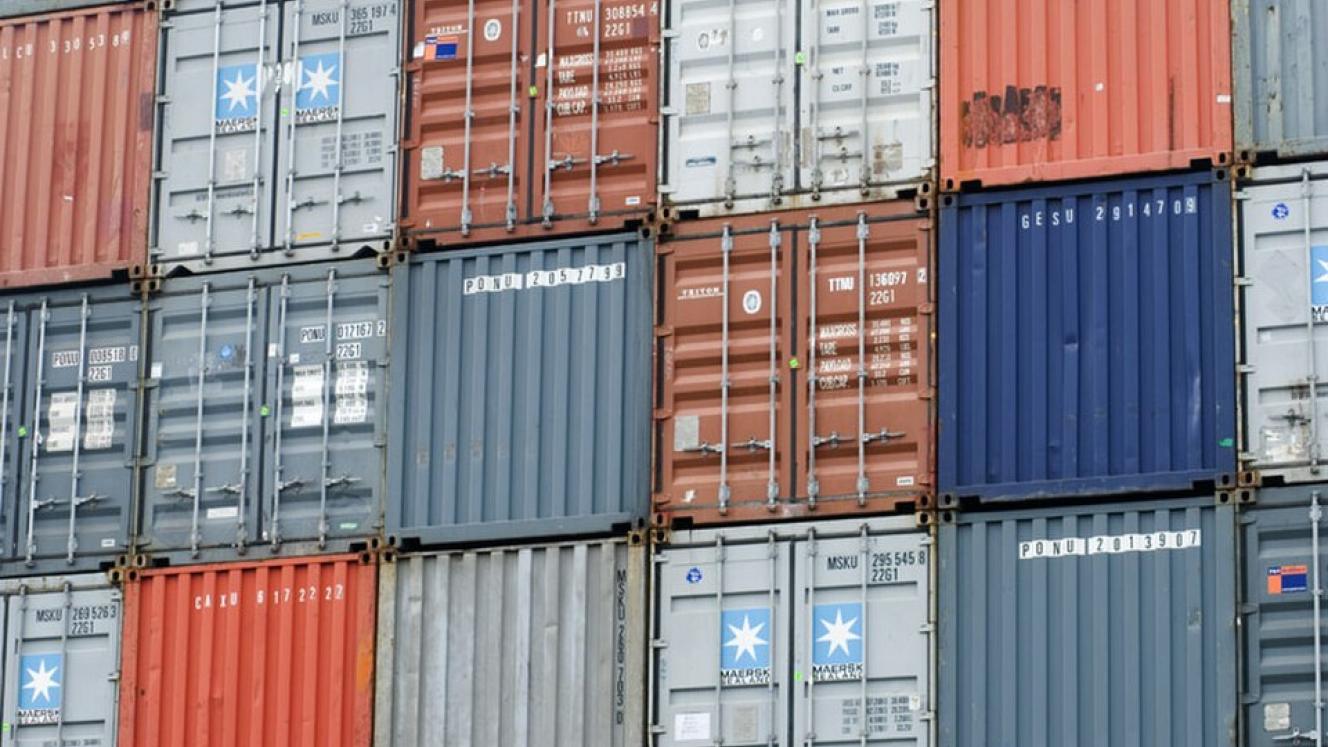
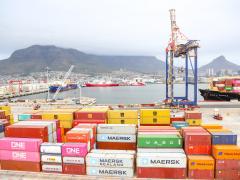
TPT and TNPA engaged stakeholders regarding concerns around operations at the Port of Ngqura and its container terminal.