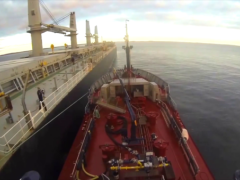
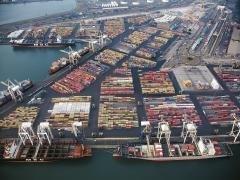
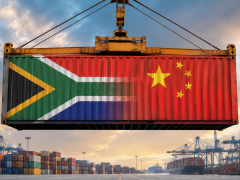
A new international cargo transport convention that is to be accepted by the United Nations (UN) within weeks could have far-reaching impact on SA importers, according to Mardus Mynhardt of attorneys Shepstone & Wylie’s international transport, trade and energy department. These ‘Rotterdam Rules’, accepted by the UN general assembly in December 2008 as the ‘Convention on Contracts for the International Carriage of Goods Wholly or Partly by Sea’, aim to improve on, and ultimately supersede, all the previous conventions that currently govern the international carriage of goods by sea – the Hague, the Hague- Visby, and the Hamburg Rules. The motivation behind this latest change is the rise in containerised shipping, the demand for door to door transport and the use of electronic shipping documents. “These,” said Mynhardt, “are just three of the modern aspects of cargo transport that were previously neglected by the older international conventions – and which the Rotterdam Rules seek to address.” There’s a whole attitudinal change in the spirit of the new rules. At the moment, SA abides by the Hague-Visby Rules, which among other things accept that shipping is inherently dangerous and that ship owners cannot have absolute responsibility throughout the voyage. In practice, what this means is that ship owners only need to ensure that the ship is seaworthy at the start of the voyage, and there are recognised defences if cargo owners suffer loss as a result of navigational errors resulting from faulty instruments or even fires caused by negligent crew members. However, as Mynhardt related, modern-day equipment, improved communications and stringent safety standards have encouraged the Rotterdam Rules, among other things, to move away from these recognised defences, and to obligate the ship owner to ensure that the ship is seaworthy throughout the sea voyage. “Clearly,” he said, “the ratification of the Rotterdam Rules will shift the risk involved in sea trade and should be considered when revising or purchasing new insurance policies. “It will also be important to keep an eye on which countries adopt the rules, since this could have a significant effect on the carriers’, shippers’ or consignees’ rights under the contract of carriage – depending where litigation may take place.” According to Mynhardt it was unlikely that SA would become a signatory to the new convention immediately as a full consultative process with the shipping industry would first need to be undertaken. “But,” he told FTW, “its adoption by other countries could impact importers. “Initial indications are that influential countries – such as the US and Japan – already support the new convention, and in May this year the International Chamber of Commerce (ICC) added its support for the ratification of the rules. “In asking governments to consider ratification of the convention the ICC says this should be done in active consultation with international business – including shippers, carriers, forwarders and insurers – noting that these constituencies may have differing views on the regime.” The Rotterdam Rules were adopted by the general assembly of the UN on December 11 last year. Once signed, on September 23, the convention will be open for ratification and will come into force on the 20th signature.
New insurance rules alter liability precedents
Comments | 0
© Now Media. This content is protected by copyright and may not be adapted or republished. If you would like to discuss cooperation opportunities, please contact: editor@freightnews.co.za.