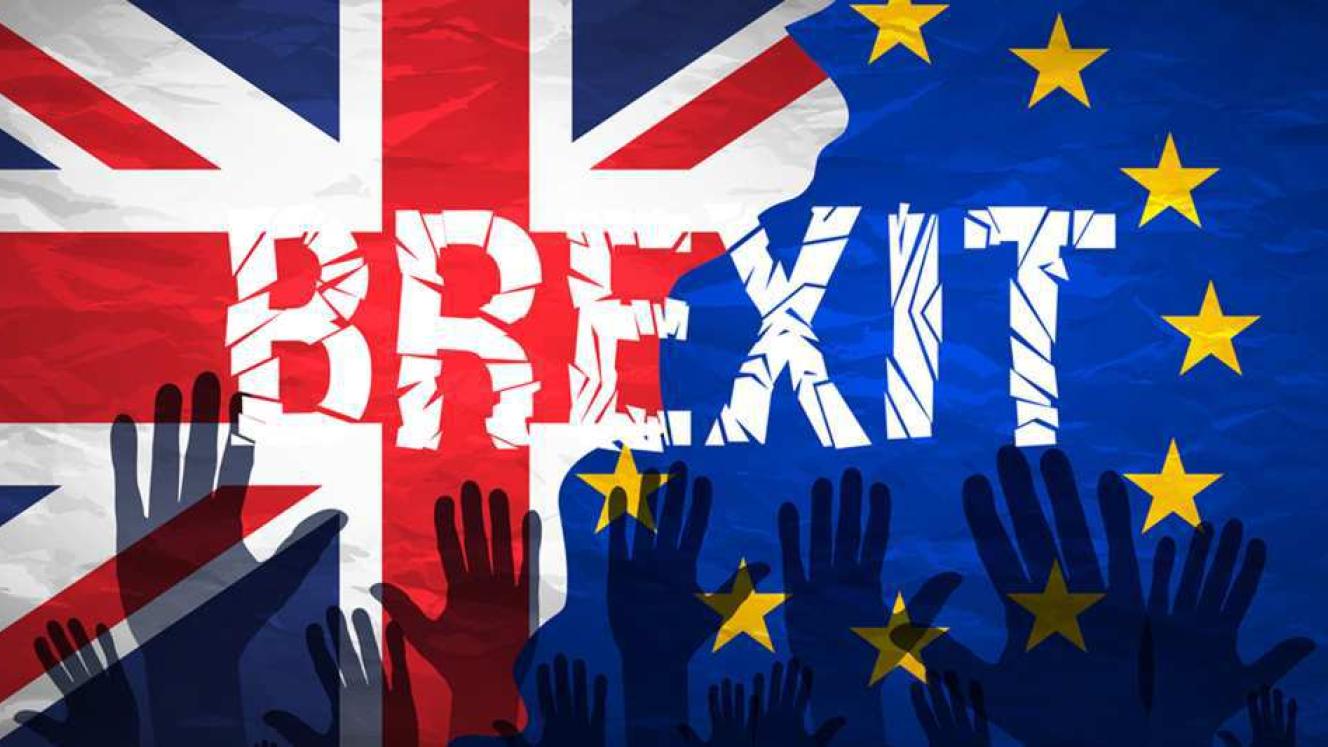
A new study by the International Monetary Fund (IMF) has revealed that the United Kingdom (UK) exit from the European Union (EU) will affect output and employment in EU member states.
Bilateral integration has been growing significantly between the EU and UK over the past 30 years and the reversal of that integration will hurt the EU at varying levels depending on the type of Brexit the UK chooses.
The study found that if the EU and UK were to settle on a standard free trade agreement – where tariffs on trade goods are low but with higher non-tariff barriers – output would decline by 0.8% and employment by 0.3%.
If the two parties were to default to World Trade Organisation rules, this would result in a 1.5% fall in output and 0.7% decrease in employment in the remaining 27 EU member states.
This because the UK is among the 27 member states’ largest trading partners, accounting for around 13% of trade. There are also substantial supply chain trade and financial linkages between the EU-27 and the UK, with gross bilateral capital flows totalling around 52% of EU-27 GDP in 2016.
However, the study pointed out that the ultimate consequences of Brexit would take years to materialise and would depend on the deal reached between the EU and the UK.