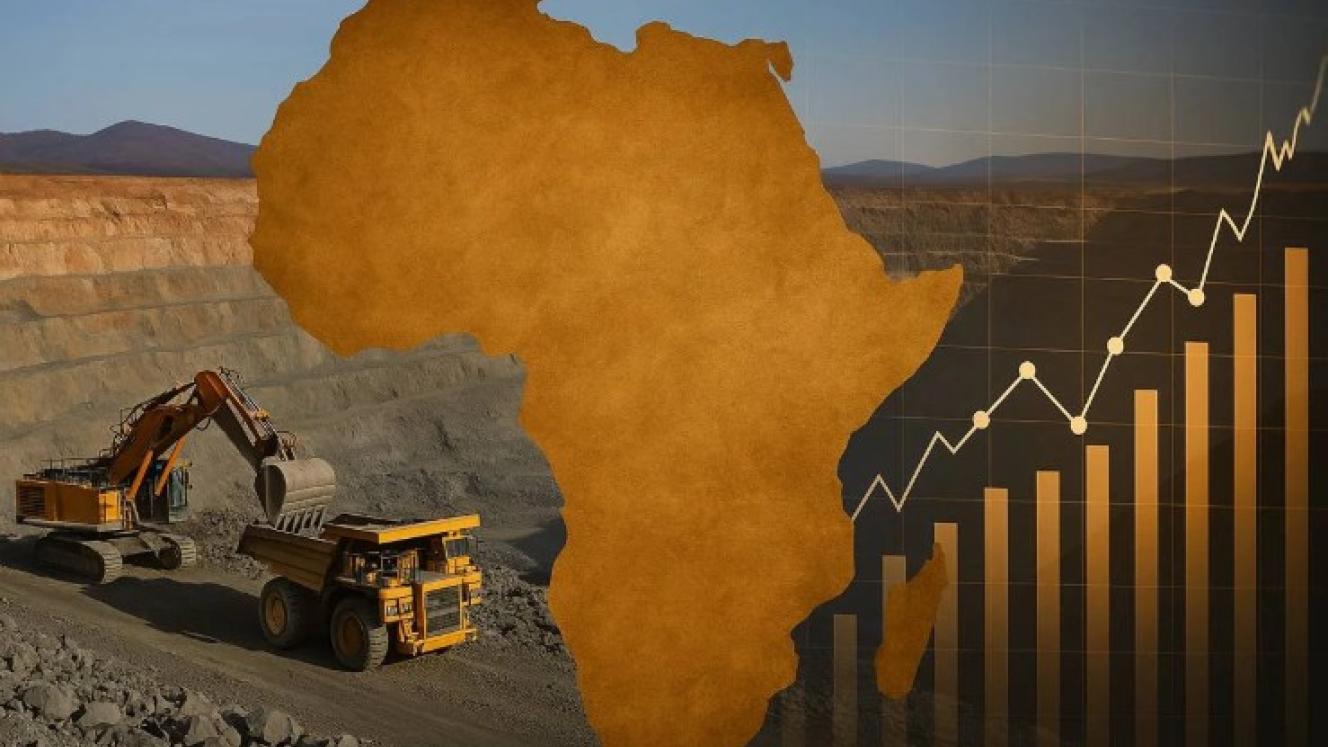
The world’s leading economies are intensifying efforts to strengthen ties with Africa as competition for trade and critical resources accelerates across the continent.
China continues to move at pace, advancing large-scale infrastructure projects in multiple African countries. Europe and the United States, by contrast, are seeking to close the gap through renewed investment and trade initiatives.
The European Union has recently announced a €170 billion investment package for Africa, targeting sectors such as clean energy, pharmaceuticals and the continent’s digital transition.
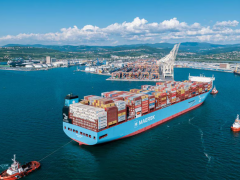
Europe already accounts for around one third of Africa’s total trade, with African exports to the EU more than double those to China.
European Commission President Ursula von der Leyen said there was significant potential to deepen economic ties.
“I see room to expand our trade relationship even further.”
The EU’s latest funding drive comes amid rapid changes in the global trading environment.
Long-standing trade relations with the United States have been strained this year, following the introduction of a 15% baseline tariff on most EU exports to the US. The move has prompted Brussels to look towards new markets, with Africa emerging as a key focus.
African leaders, however, are emphasising the need for a partnership based on equality.
Mahamoud Ali Youssouf, Chairperson of the African Union Commission, has requested greater European involvement in value-added production on the continent.
“I’m pleading for European investments in the transformation process of our minerals on the continent.
“I’m calling for the lifting of any tariff or non-tariff barrier hampering the access of African products to the European market. Europe will have to contend with competition from other players.”
As for the US, it has stepped up efforts to secure access to Africa’s critical minerals.
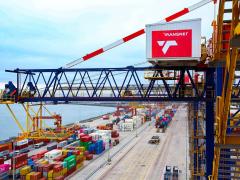
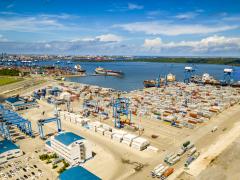
Despite this, China remains Africa’s largest single-country trading partner for the past 15 years, expanding its Belt and Road Initiative for logistics and committing more than $21 billion to infrastructure projects designed to support future trade.
However, data shows the European Union remains Africa’s largest overall trading partner, with trade flows valued at nearly $412 billion. China follows at $295 billion, while the United States trails at $104 billion.
Currently, commodities account for at least 70% of Africa’s exports, largely driven by global demand for critical minerals. However, African governments are increasingly calling for industrialisation and a shift away from raw material exports towards finished and higher-value goods.
Sources: Al Jazeera and Reuters