The International Air Transport Association (Iata) has released a report assessing the risks that lie ahead in 2026, highlighting converging vulnerabilities that could disrupt supply chains, freight networks and economic growth.
The report, An assessment of risks in 2026: Converging risks and vulnerabilities, presents a risk matrix plotting potential threats by their likelihood and negative impact on the global economy.
Inclement weather tops the list as both highly likely and severely impactful.
“Climate change is and will continue to disrupt lives, livelihoods and productivity around the globe. Extreme weather, commodity price swings and supply chain stresses can affect agriculture, infrastructure, global trade and investment flows,” the report warns.
It also warns that unstable policies and financing could strand assets and miss opportunities, slowing progress and harming regional growth.
Associated risks include greater food and water insecurity and increased migration, with the total number of displaced persons having already reached 123.2 million in 2024 – a near doubling over a decade.
Iata highlights policy fragmentation as another major concern, with declining multilateralism eroding decades of global harmonisation.
It notes a rise in national and regional policy initiatives that depart from the International Civil Aviation Organization’s 80 years of global harmonisation.
“Competing frameworks for addressing CO₂ emissions from air transport limit progress in this area, and fragmented taxation introduces competitive distortions and threatens the maintenance of the global network,” the report warns.
Global debt levels remain alarmingly high, with total debt estimated at just above 235% of global GDP in 2024. This exposes economies to interest rate sensitivity and limits fiscal manoeuvrability, while high public debt crowds out investment.
Other risks include China’s abating but lingering property crisis, surging military spending reaching USD 2.7 trillion in 2024, cyber threats amplified by AI, and potential supply disruptions in jet fuel despite lower oil prices.
“The risk of a severe economic slowdown in 2026 seems limited unless we have underestimated the potential combined effect of the above converging risks and vulnerabilities,” the report says.
However, it cautions that weakening growth prospects could characterise the century, with positive surprises possible from peace, successful energy transitions and greater collaboration.
In a related opinion piece published on the association’s website on Friday, Marie Owens Thomsen, chief economist and Iata senior vice president for Sustainability, warns that the “me-first” policies of some countries are being enacted with little concern for their impact on global networks, whether supply chains or single industries such as air transport.
She adds that fragmented tax policies “raise little money for governments, have little or no impact on emissions, and make air transport more expensive.”
On supply chains, she highlights persistent aircraft delivery backlogs, noting that the mismatch between supply and demand negatively caps industry growth. It has also halted progress in improving fuel efficiency across the global fleet and slows decarbonisation.
“AI adds risks related to misinformation, loss of privacy and erosion of trust, on top of those that might generate economic disruption, job displacement and greater inequality. Proof of AI generating substantial profits and increased productivity is scarce and may take years to materialise.”
She sees a likely US dollar depreciation as beneficial for non-USD costs in aviation.
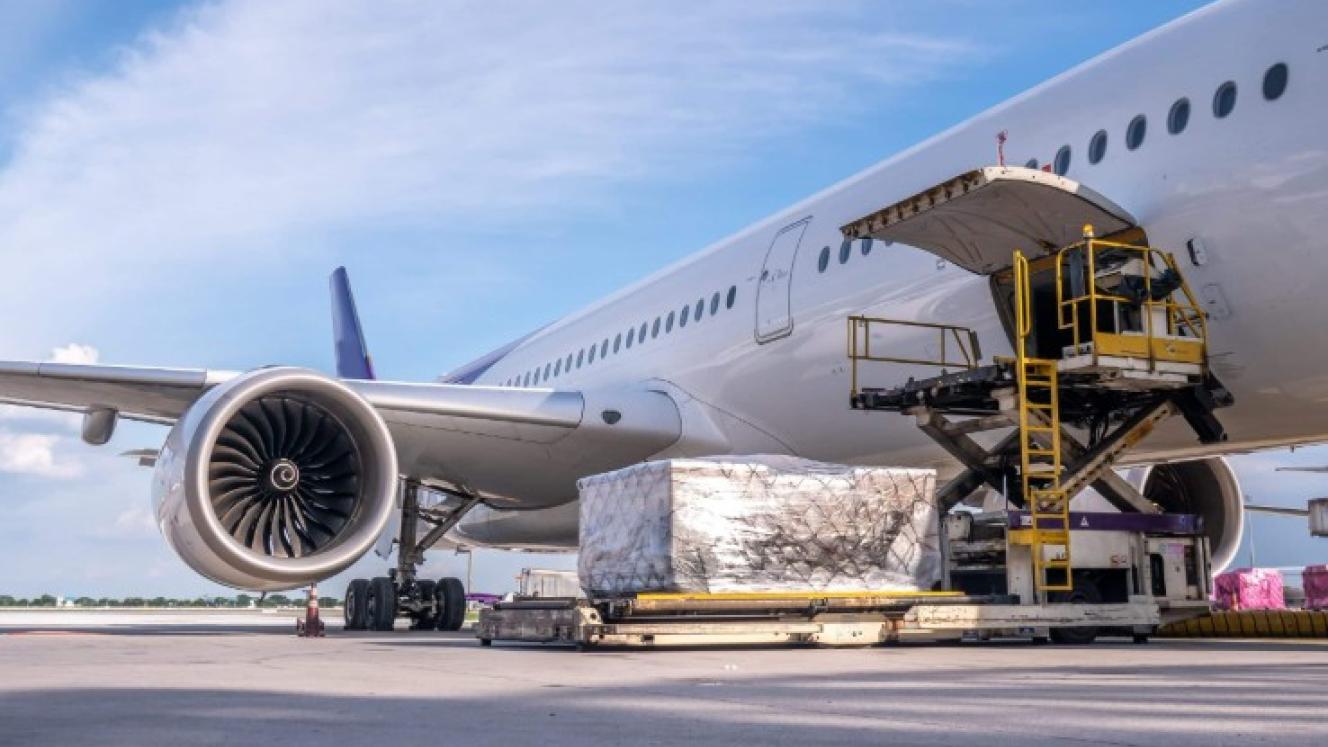
For the freight and logistics sector, these risks translate into heightened volatility in air cargo networks, with fragmented regulations potentially increasing compliance costs and eroding connectivity.
In response to these challenges, the report highlights the need for coordinated global approaches to safeguard the air transport system’s role in driving economic growth.