Ocean freight data at the end of 2025 crossed a projection threshold, exceeding a billion 20-foot containers moved.
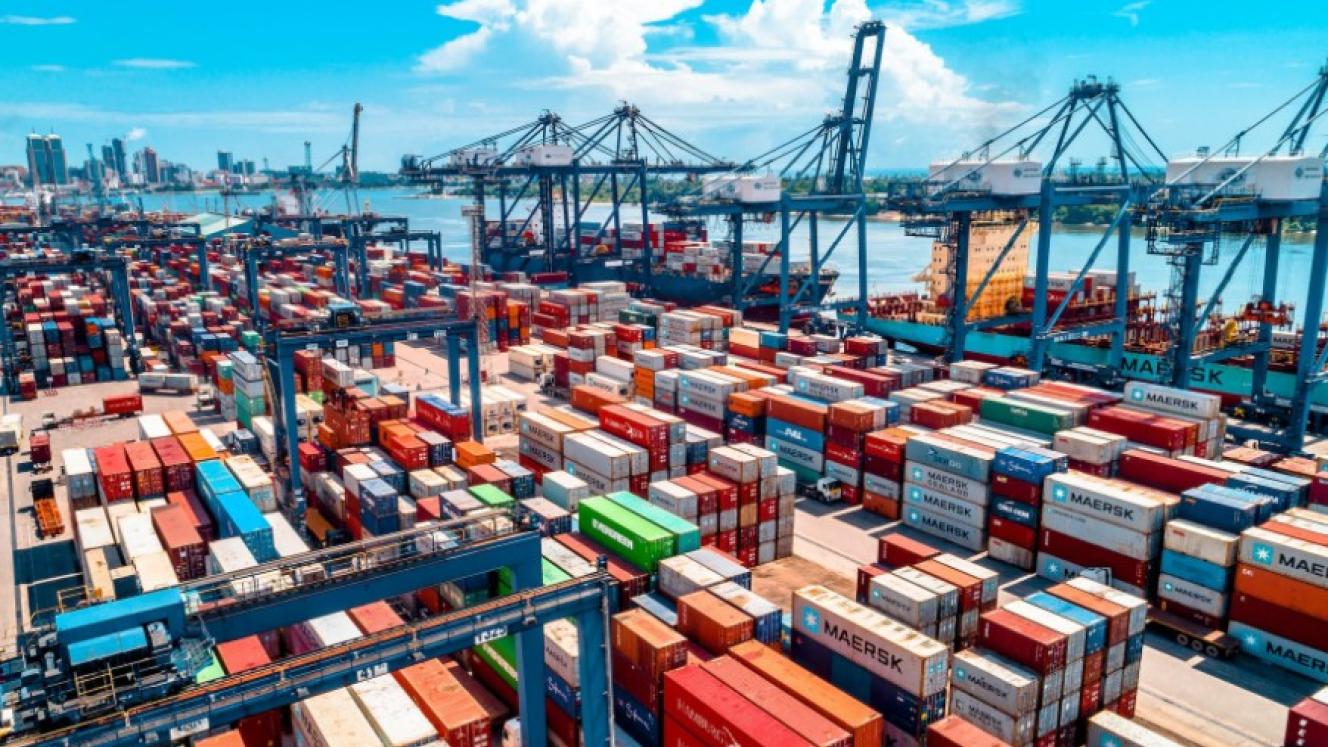
Sea intelligence platform Linerlytica has reported that about 400 million of TEU throughput was recorded by ports in China and Hong Kong.
This milestone reflects overall resilience in global trade flows, even amid broad economic headwinds, geopolitical tensions and tariff uncertainties, Container News says.
Ports such as Shanghai, Ningbo and Shenzhen handled the majority of container throughput globally, while Hong Kong remains a significant transshipment hub.
Official China port data confirms container throughput rising in 2025, further supporting the notion that Asia remains the principal driver of global volumes.
In tandem with sustained demand, the combined global container fleet is projected to continue expanding, reflecting confidence in responsive dynamics such as the Cape of Good Hope rerouting away from the much shorter east-west trade passage through the Suez Canal.
Data by Linerlytica peer platform, Alphaliner, shows the containership fleet at over 33 million TEU capacity by late 2025.
Although slow-steaming was at times an issue last year, especially in reaction to plunging freight rates, the consultancy said the lack of general idleness indicated positive capacity uptake.
According to Linerlytica, the global order book for newbuilds surged to about 10.4 million TEU.
It represents a major pipeline of new capacity and the highest orderbook ratio – about 31.7% of the current fleet – since the 2010s.
However, big retailers like UFL Group in New Zealand, have raised concerns that rapid fleet expansion could cause supply growth to outpace demand in the coming years, extending overcapacity and resultant pricing pressures until 2030.
Ocean analytics consultancy Xeneta has also reported less robust volume growth at certain points in 2025, with snapshots showing month-to-month declines or flat activity before rising again later in the year.
Moreover, broader Xeneta market outlooks highlight shippers navigating fluctuations in demand, geopolitical pressures and capacity growth, which may moderate long-term volume expansion.