A national framework has been launched to guide the planning, classification, investment and standardisation of truck stops along South Africa’s freight corridors.
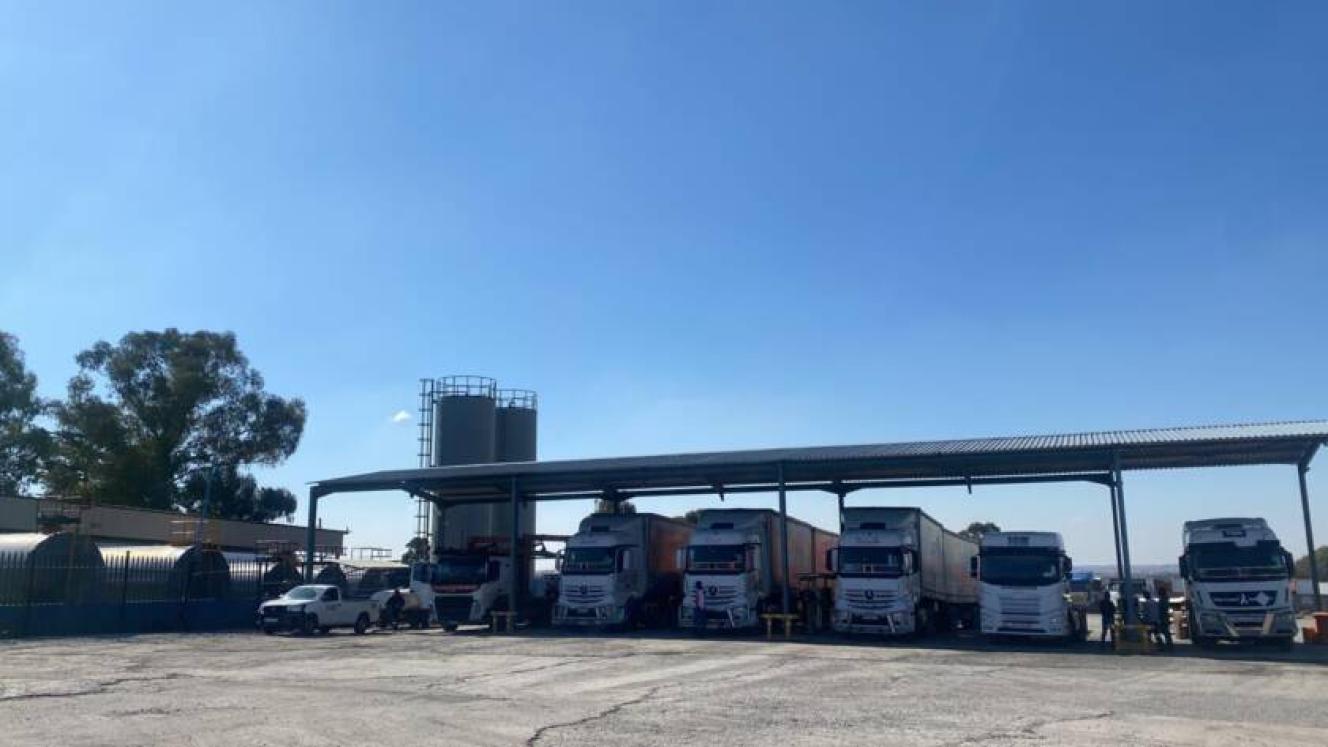
Transport Minister Barbara Creecy launched the National Truck Stop Framework at the Sasol N17 Truck Stop in Mpumalanga.
The framework introduces an assessment and classification system based on the security and services offered at truck stops. It is intended to provide guidance to provinces, municipalities, state-owned entities, existing operators and potential private investors.
It seeks to address unsafe roadside parking, inadequate security and wide variations in the quality of facilities available to truck drivers.
Research and site inspections conducted by the Department of Transport identified inadequate lighting, poor ablution and shower facilities and limited driver-wellness infrastructure at some facilities along critical freight routes.
Trucks were also found parked on roadsides and in other unsafe locations where appropriate rest facilities were unavailable, inaccessible or inadequate, Creecy said.
“These conditions have implications beyond driver comfort. They affect road safety, driver fatigue, freight efficiency, cargo security, the dignity of drivers and ultimately the performance of our logistics system,” she said.
Creecy said driver fatigue remained a significant contributor to road freight crashes and called on transport operators to treat rest periods as part of normal operating procedures.
“Our objective must be to create an environment where taking a proper rest break is not regarded as an inconvenience, but as a normal and essential part of professional freight operations,” she said.
The framework also addresses the shortage of facilities catering for women drivers, which the department identified as a barrier to greater participation by women in commercial driving.
Provision is also made for digital access management, intelligent transport systems and clean-energy infrastructure, including electric vehicle charging, as truck stops are developed or upgraded.
Creecy said establishing a national network of safe and commercially viable truck stops would require cooperation between the public and private sectors.
The framework was intended to provide greater certainty to existing operators and investors considering the development or upgrading of facilities, she added.
Creecy said its success would depend on implementation rather than the publication of the policy alone.
“Our success should ultimately be measured not by the number of documents we produce, but by the changes on the ground for truck drivers and the freight industry,” she said.