South Africa’s “business
unfriendly” environment is
unlikely to send European
companies that are already
invested packing, but new
investors may think twice.
That’s according to
ambassador Marcus
Cornaro, head of the EU
Delegation to South Africa,
who told FTW that lack of
policy clarity and economic
stability in South Africa
were challenges to global
investment.
Speaking to FTW on
the sidelines of the recent
European Union (EU)-
South Africa Strategic
Partnership conference
– which reviewed a decade
of bilateral trade between
the two trading partners
– he said that there was
“sympathy” for South Africa’s
current economic situation.
“But there is uncertainty
around economic stability,
labour stability and the
implications for foreignownership
around the
new Broad-Based Black
Economic Empowerment
(B-BBEE) codes which is a
key consideration for new
companies looking to invest.”
According to Cornaro,
new investors look for
economic stability five to
10 years into the future.
“South Africa should be
aware of the fact that those
European countries looking
to invest in sub-Saharan
Africa (SSA) are looking at
alternative countries that
are seen as more stable
in terms of policies and
economic growth.”
He said that Kenya and
Ghana were two alternatives
that European investors
were exploring as the
so-called “backdoor” entry
into the SSA
region.
However,
those
European
companies
that were here
remained
committed to
a long-term
partnership
with South
Africa.
Around 75%
of South
Africa’s
foreign direct investment
came from Europe, he
added. “Furthermore,
bilateral trade between the
two partners grew by 10%
last year.”
South Africa’s exports to
the EU increased by 9% in
2015. “This compensates
for losses in exports with
other countries, including
an increasingly weak
demand from China (exports
to China increased by a
marginal 0.5% in 2015),”
Cornaro commented.
He added that the EU and
China complemented each
other rather than competed
as trade partners to South
Africa as
exports
to China
were made
up largely of
raw materials.
“The
strength of
SA’s exports
to the EU
is that the
vast majority
of such exports
are made
up of
manufactured
and agricultural goods (from
citrus to catalysers, cars
and aircraft parts). With a
weakened rand, increased
exports to EU have also
boosted SA’s balance of
payment,” said Cornaro.
He added that exports
to the EU also tended to
originate from labourintensive
sectors, thereby
boosting job creation.
INSERT
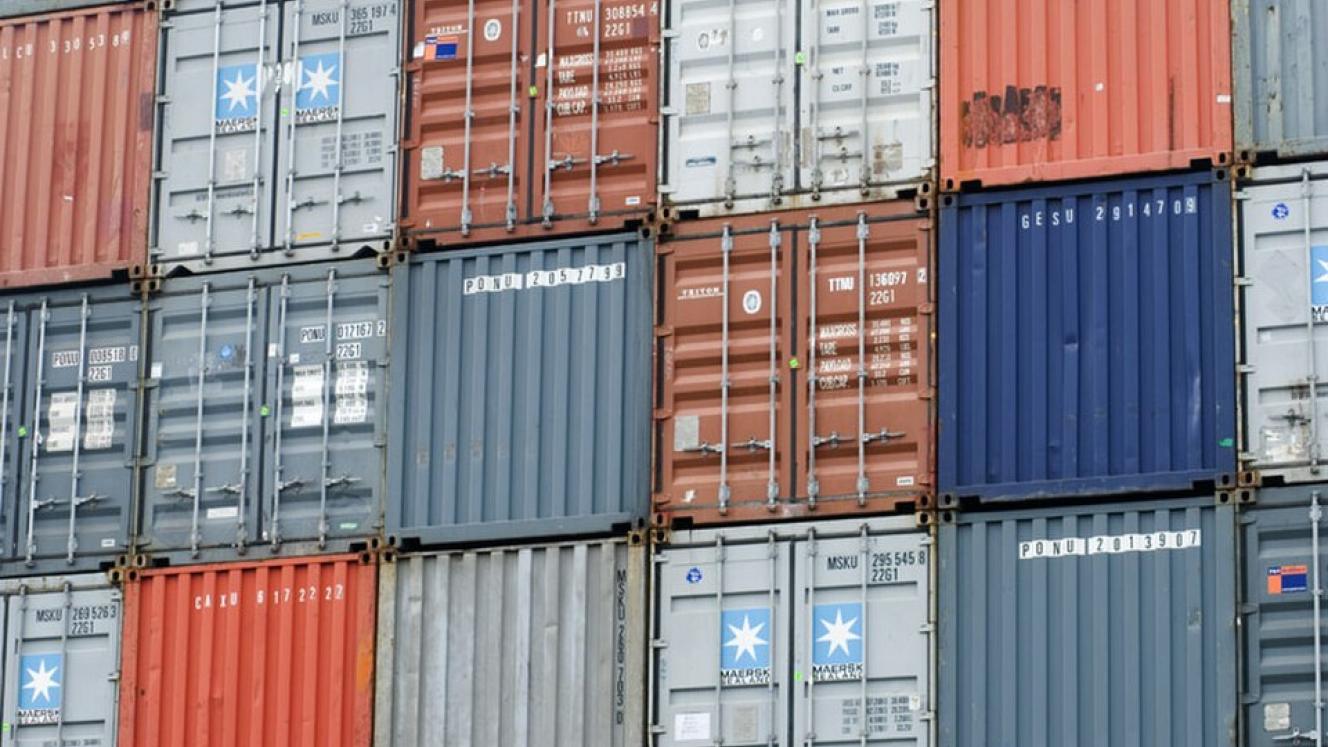
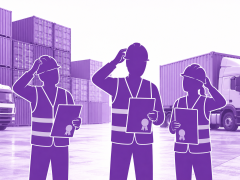
There is uncertainty
about the implications
for foreign ownership
around the new Broad-
Based Black Economic
Empowerment codes.
CAPTION
There is uncertainty
about the implications
for foreign ownership
around the new Broad-
Based Black Economic
Empowerment codes.
New European investors skittish about SA's policy uncertainty
Comments | 0
© Now Media. This content is protected by copyright and may not be adapted or republished. If you would like to discuss cooperation opportunities, please contact: editor@freightnews.co.za.