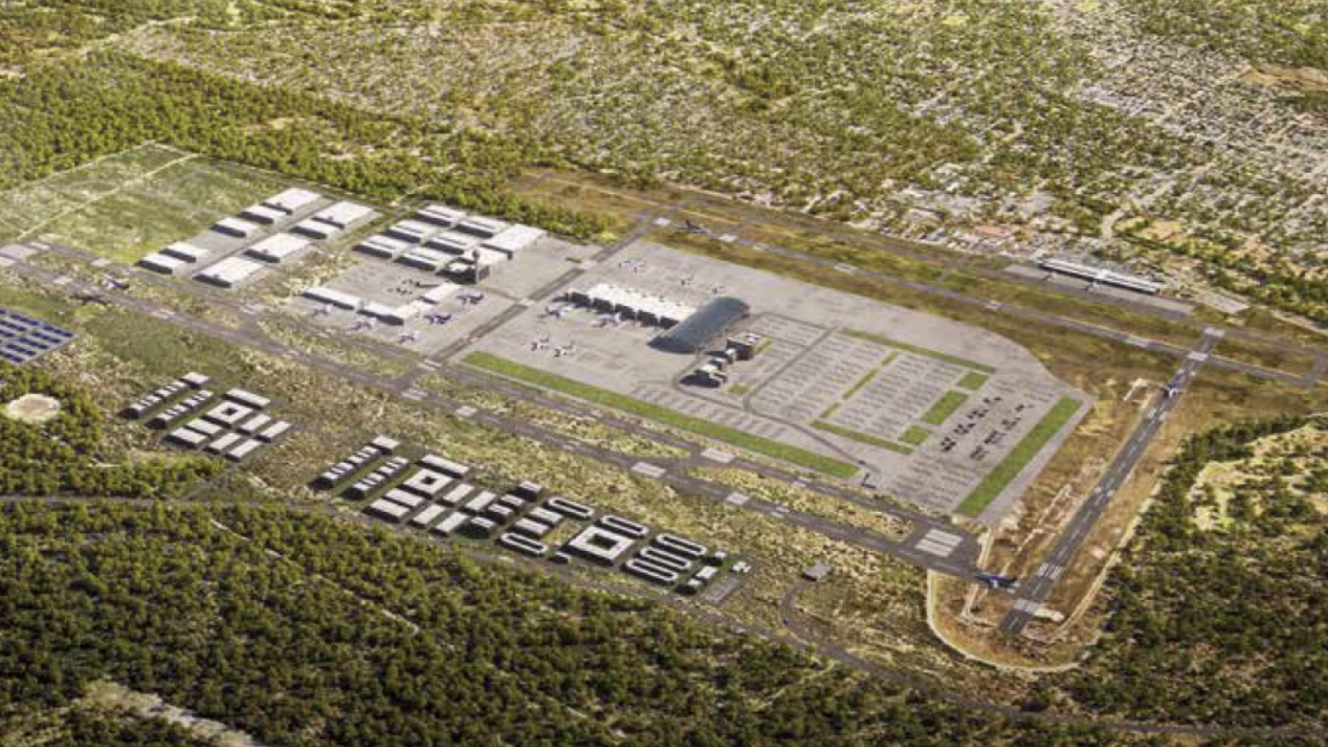
The Nelson Mandela Bay Municipality has approved a conceptual framework for a multibillion-rand aerotropolis project, anchored by a new runway and dedicated logistics hub adjacent to Chief Dawid Stuurman International Airport.
The initiative, detailed in the Mandela Bay Aerotropolis and Logistics Gateway brochure, aims to establish an intercontinental air gateway on 450 hectares of unused municipal land southeast of the existing airport, integrating air, sea and inland port functions to serve manufacturing, agriculture, pharmaceuticals and marine sectors.
As reported in The Herald, the plan cleared its first council hurdle during a recent economic development committee meeting, where acting trade and investment director Jeremy Dobbin presented the framework. It revives long-standing discussions on airport-driven economic zones, modelled after the successful King Shaka International Airport aerotropolis, and Dube TradePort in KwaZulu-Natal. The Mandela Bay Development Agency has been mandated to identify potential partners, funders and transaction advisers to drive the public-private partnership model.
The brochure outlines a phased masterplan using a special-purpose vehicle for streamlined development, with an estimated capital expenditure of approximately R4.2 billion for core aeronautical infrastructure, a passenger terminal, industrial-logistics complex and hybrid electrical microgrid.
A key feature is a new 3 300m runway separated by 1 300m from the existing 2 000m strip, enabling widebody aircraft such as the Boeing 777-300ER and 747-8F. An attached air cargo facility will feature hardstands, freight transfer corridors and queuing areas for tractor-trailers, complemented by an industrial-logistics development zone for warehousing, manufacturing and aerospace maintenance.
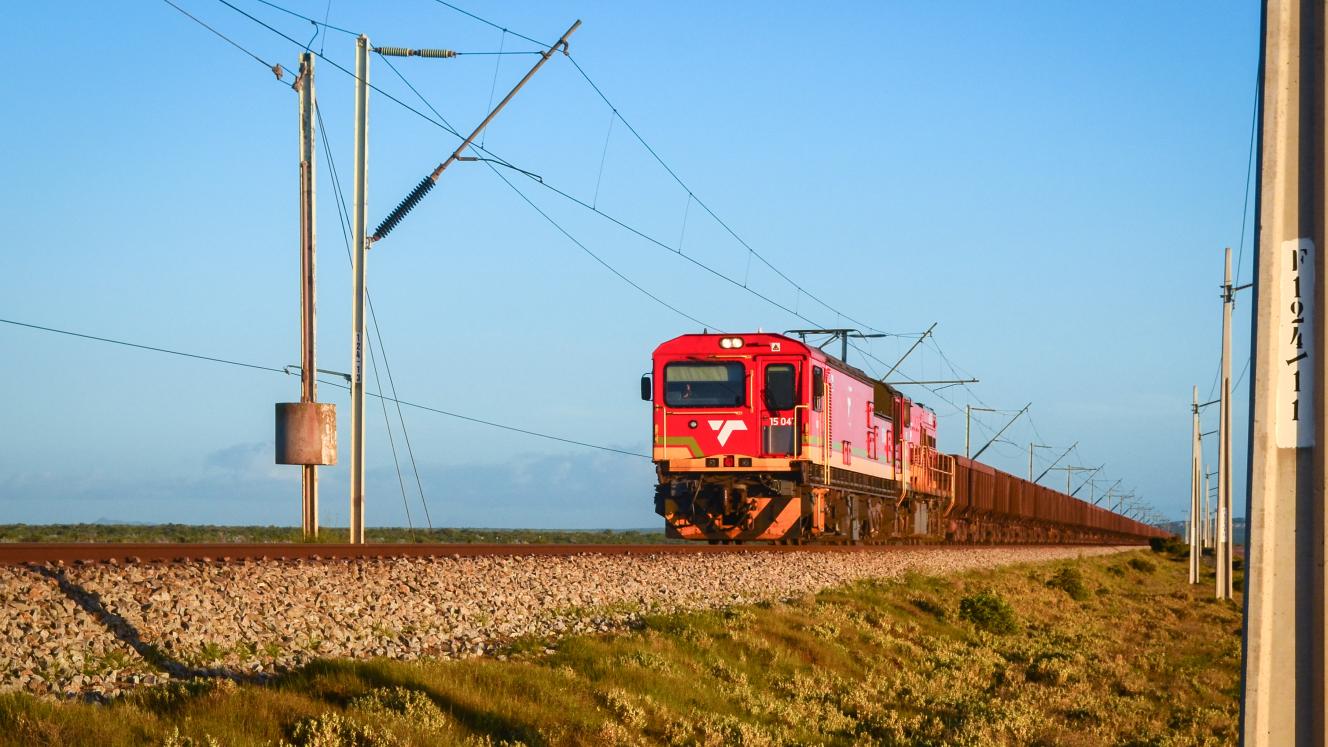
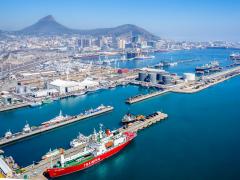
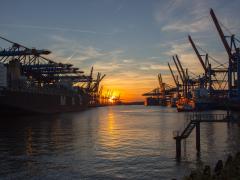
Logistics enhancements emphasise intermodal integration, including rail links to Gauteng and twinned gateways with ports like Ngqura (two million TEU annual capacity, and Port Elizabeth (400 000 TEU, specialising in bulk ore and vehicle RoRo). The site’s proximity to the 2Africa undersea broadband cable supports smart village incubators and high-speed data ventures.
Dobbin highlighted the metro’s trade dependency, noting that imports and exports comprised 78% of its gross domestic product last year, with automotive components accounting for over 62% of exports.
As South Africa’s third-largest airfreight hub after Johannesburg and Cape Town, Gqeberha relies on narrowbody freighters routing urgent goods via other cities due to runway limitations. “The lack of direct international flights impacts logistics, agriculture, and manufacturing efficiency,” Dobbin said. Expanded capabilities would reduce transit times, fostering jobs in processing and distribution.
This aligns with Airports Company South Africa’s R4.6 billion upgrade to the airport over five years, including terminal expansion and runway rehabilitation. However, the metro’s plans extend to a dedicated runway extension and logistics park on land co-owned by the municipality and Acsa, with the city approving developments and providing bulk infrastructure.