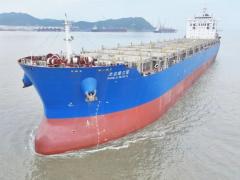
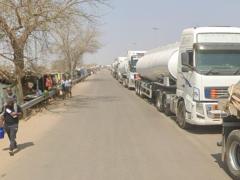
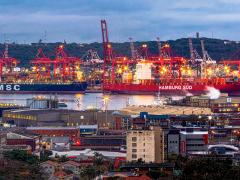
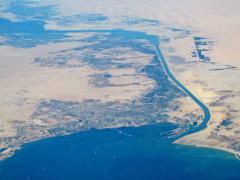
South African ports should be opened to private operators and focus on up-skilling to curb spiralling tariffs that are driving traffic to competitor ports developing on the continent. This is the view of analysts who told FTW that although still among preferred destinations for global trade with the continent, the country’s ports were probably among the least competitive in the world and fast losing the edge against other regional ports. Christie Viljoen, senior economist at NKC Independent Economists, said the global trend to privatise public sector services would have cost and efficiency benefits for port operations. “Our ports have seen a steady decline in competitiveness over the past decade as the government has made significant upward adjustments to administered prices,” he said. Viljoen said price hikes had outpaced much lower increases in port costs associated with developed economies, where cost inflation had been “relatively benign” in recent years. He added that more expensive electricity was partly to blame for rising costs. Viljoen said the gap between the competitiveness of local ports and ports on the continent was “fast closing” and in some cases had closed. “Ports in Mozambique and Namibia are attracting cargo, both imports and exports, from across SADC countries. Previously, South African ports were seen as a default to shipping these goods to Asia and Europe. Not any more,” he said. Local ports are no longer mainstay ports for landlocked countries like Zambia, Botswana and Malawi, he added. “Malawi, for example, favours Mozambican ports, while Botswana is increasingly looking to Namibia for trade facilitation.” Hannah Edinger, Frontier Advisory director, said much SADC cargo was still routed through local ports such as Durban but cargo owners and shipping lines were looking for alternatives due to congestion and delays. “South Africa’s ports and network infrastructure have been key to the country’s gateway status for trade into southern Africa. However, increasing competition is arising as regional neighbours invest in their port and other infrastructure capacity and capabilities, potentially diverting freight from South Africa,” Edinger said. East-West infrastructure corridors, including Maputo- Walvis Bay; Lobito-Nacala and the Mwambani- Banana corridor – still in conceptualisation phase – could also facilitate trade into the interior, bypassing South Africa, she said. She added that Transnet’s R300 bn Market Demand Strategy (MDS), including port and terminal developments, planned for the next decade would improve competitiveness. “A critical input though for implementing the port development plans and to up the level of port operations to international standards is the need to build a solid skills base,” she said. Kira McDonald, an Analyst at Frontier Advisory, said when shipping lines and agents analysed ports for competitiveness they focused on the number of vessels calling per week; ocean freight rates; transit times and trucking charges. MacDonald said the expanding Dar es Salaam Port for example was attractive to shipping lines as it was closer to end user markets in the Middle East, China and India. Other major port infrastructure projects offering competition to SA included the Mombasa port expansion, Lekki Port in Nigeria and Nacala in Mozambique. CAPTION The Port of Mombasa... expansion under way.
Neighbouring ports ‘closing in’
Comments | 0
© Now Media. This content is protected by copyright and may not be adapted or republished. If you would like to discuss cooperation opportunities, please contact: editor@freightnews.co.za.