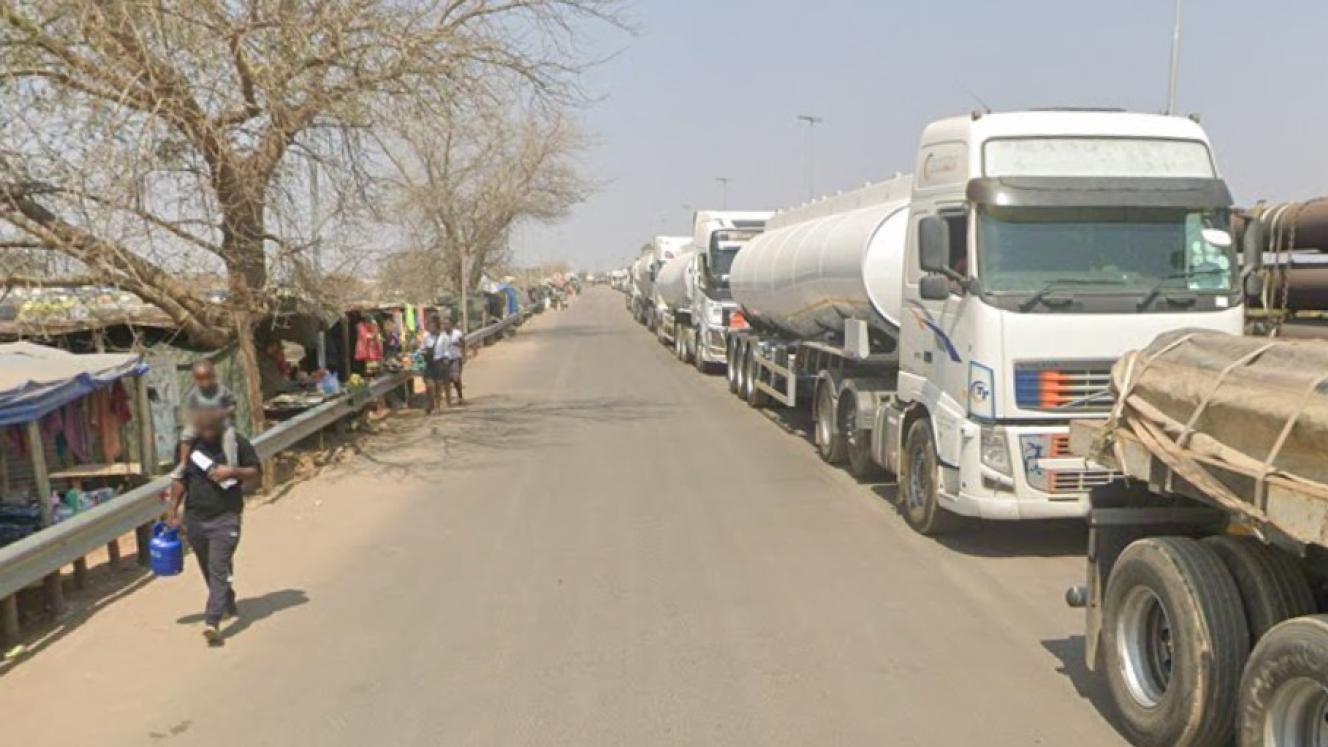
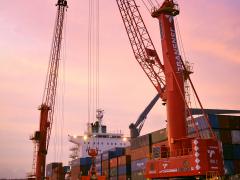
South Africa’s logistics industry is uniquely positioned to drive economic growth and innovation, but doing so will require bold strategic thinking, faster policy execution and a fundamental shift in how freight moves across the country, according to Dr Juanita Maree, CEO of the South African Association of Freight Forwarders. Speaking at the Transport Forum, Maree said logistics professionals had developed an extraordinary capacity to navigate disruption, adapt to change and deliver solutions in an increasingly complex operating environment. “Our industry is filled with people who think differently. We are constantly working with challenges, and more than any other sector, we have developed a tremendous wealth of solutions,” she said. “I don’t think we always understand the massive role logistics plays when we think of it in terms of volumes.” She said logistics contributed around 10% of GDP, handling an estimated 11 000 TEUs daily. “That is alongside bulk operations like iron ore and coal that move about 140 000 tons. Then there is the airfreight side, where they move about 471 000 kilograms every day.” She stressed the importance of all South Africa’s transport modalities, saying road, rail, air and sea were important and needed to work in balance. With Transnet expected to handle around 170 million tonnes of cargo on rail this year, she said economists were clear that the country needed to increase this to at least 250 million tonnes per annum. “The moment rail shrinks, everything shifts to road,” said Maree. “And we are now seeing the impact of that in our rural towns and on our national road infrastructure. The system cannot carry that load indefinitely.” Maree said while there was still much work to be done in South Africa to address the various logistics challenges, it was important to give credit where it was due, indicating that the Department of Transport had made headway in delivering an improved policy space in which to operate, including reforms aimed at opening the rail network to private operators. She said ongoing work by the National Logistics Crisis Committee (NLCC) on freight corridors was equally encouraging, with a clear vision being developed for corridor management to reduce waste and friction along these critical trade arteries. “There has been a real drive by role players in our sector, including government, to introduce a stronger regulatory environment, and what we are now seeing with the launch last year of the World Bank’s logistics accountability score is a move to ensure that responsibilities are pushed to operators so that they function within compliant structures,” she said. She stressed, however, the importance of sustained industry engagement, saying it was essential to ensure reforms translated into tangible improvements. “We cannot be passive participants. We have to be supply chain activists, talking to each other and ensuring that policymakers understand what we need in the logistics network to enable our economy to grow.” LV
Navigating disruption is par for the course
Comments | 0
© Now Media. This content is protected by copyright and may not be adapted or republished. If you would like to discuss cooperation opportunities, please contact: editor@freightnews.co.za.